

Grey water is a term that often draws a blank stare when mentioned. Many people aren’t familiar with the concept, and if they are, they may not want to dwell on its source. For the purposes of this article, let’s keep the origin out of focus and instead explore its uses and the systems behind it.
What is Grey Water?
Grey water is the domestic wastewater produced from activities such as laundry, dishwashing, and bathing—excluding toilet water. While it may sound unappealing, grey water systems have significant benefits, particularly as a cost-effective way to supply water for irrigation.

Irrigation
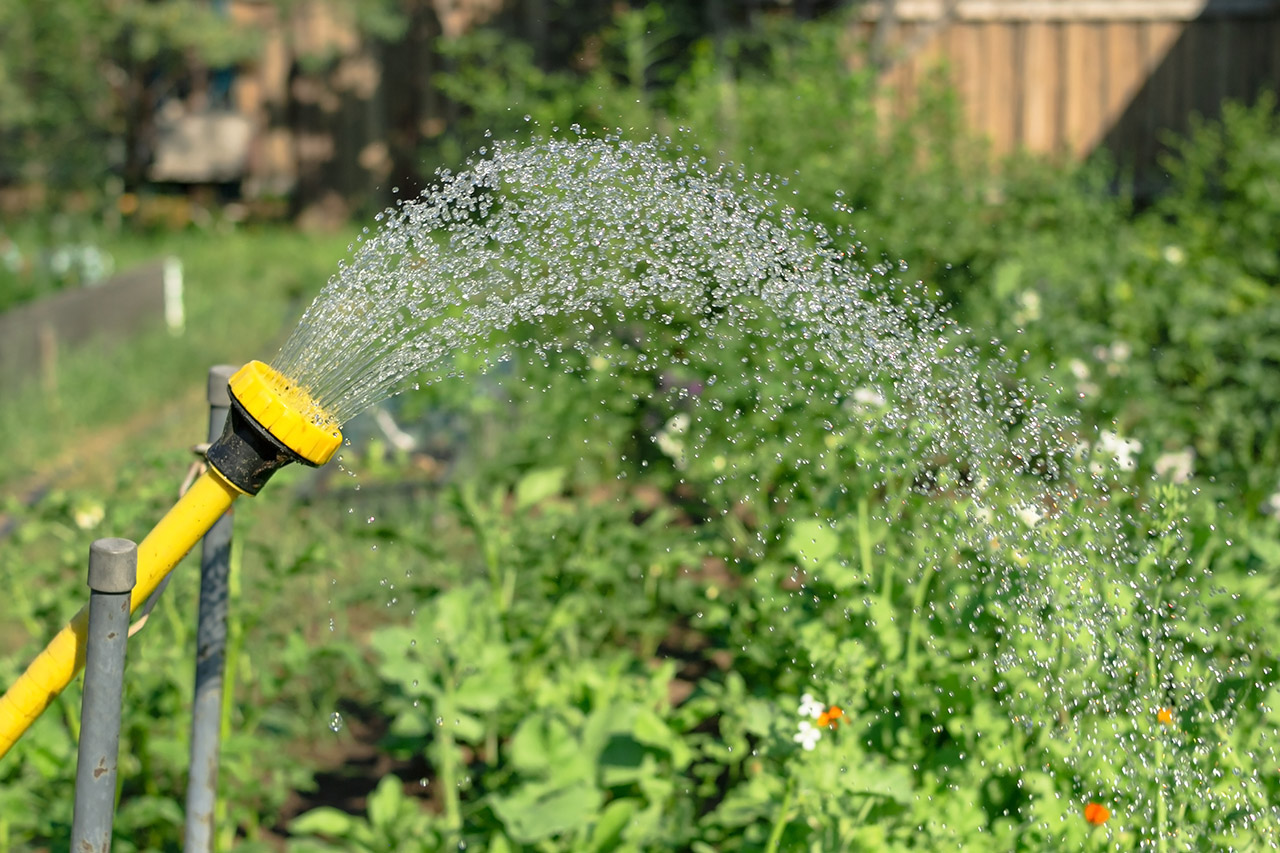
In some UAE communities, grey water is used extensively for irrigation to help conserve clean domestic water supplies. It reduces reliance on potable water and aligns with global water conservation efforts.
However, it’s important to remember that grey water is not clean water. It must be properly treated before reuse and is unsuitable for any form of human contact.
Equipment Failure
Based on our experience, equipment that comes into contact with grey water tends to have a higher failure rate. Common problem areas include irrigation float valves, zone valves, and pumps. Grey water often carries debris, soap residues, and contaminants that lead to frequent blockages or malfunctions.
Because of this, regular system checks are crucial. Your landscaper or maintenance team should ensure the grey water pump is functioning correctly, without leaks. Zone valves must be cleaned, and float valves regularly replaced or serviced.
Potential Misuse
Grey water misuse can lead to serious problems. One client mistakenly filled their swimming pool using grey water from an irrigation line—resulting in severe skin irritation. Grey water is not safe for swimming pools, bathing, or any activity involving skin exposure.
FAQ
Q1: What is grey water?
A: Grey water is wastewater from domestic activities such as laundry, dishwashing, and bathing—excluding toilet flushing.
Q2: Can I use grey water in my swimming pool?
A: No. Grey water is unsuitable for swimming pools and can cause rashes, irritation, and health risks.
Q3: Why is regular maintenance important?
A: Grey water systems experience more equipment wear and failure. Regular maintenance prevents overuse, breakdowns, and costly repairs.
Q4: How can I conserve water at home?
A: Using treated grey water for irrigation is an effective way to conserve water—as long as the system is properly maintained to avoid failures.
In conclusion, grey water systems offer an innovative and cost-effective approach to conserving water. With proper management and routine maintenance, they can operate efficiently while avoiding the common pitfalls of misuse and equipment failure.
If you think you may have a leak at home, book an inspection now using the button below.


0 Comments