
Understanding Water Pressure
Water pressure is a critical factor in maintaining a functional and efficient plumbing system. However, high water pressure can lead to undetected leaks, which can cause significant damage over time. Understanding the relationship between water pressure and leaks, as well as how to identify and mitigate these issues, is crucial for homeowners. This article will explore how water pressure causing undetected leaks can impact your home, the signs to look for, and steps you can take to prevent and address these leaks.
What is Water Pressure?
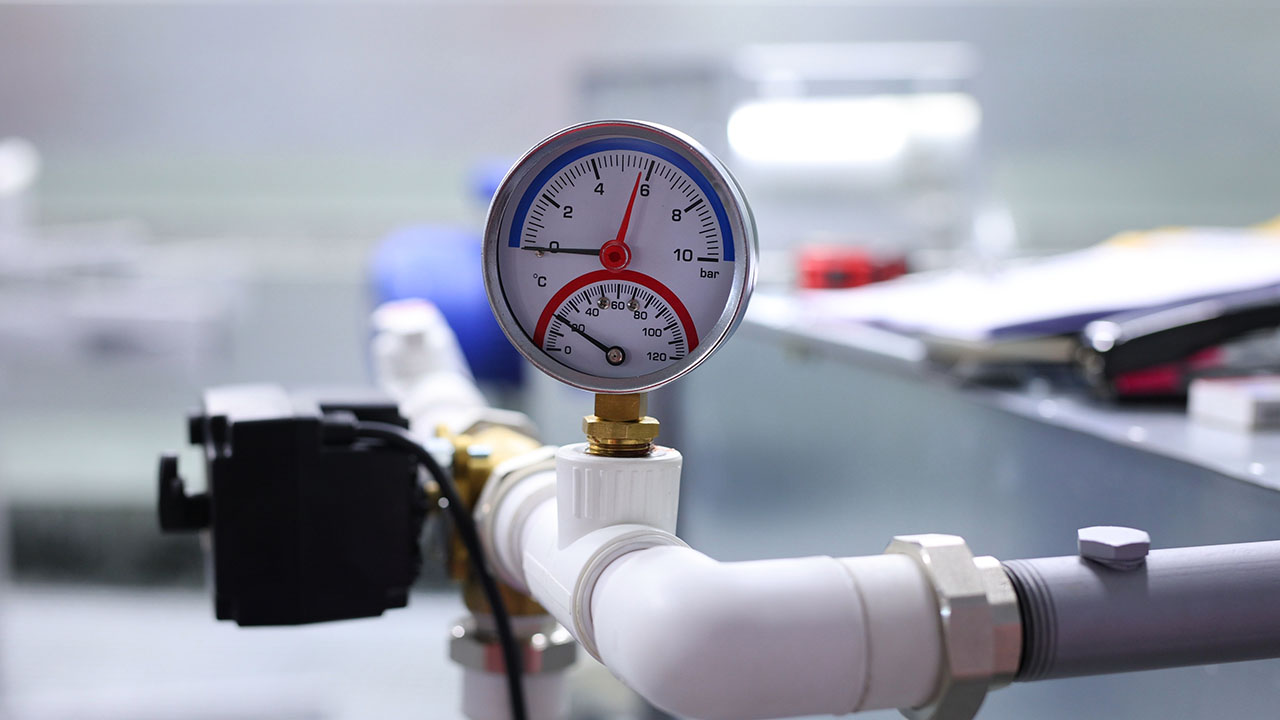
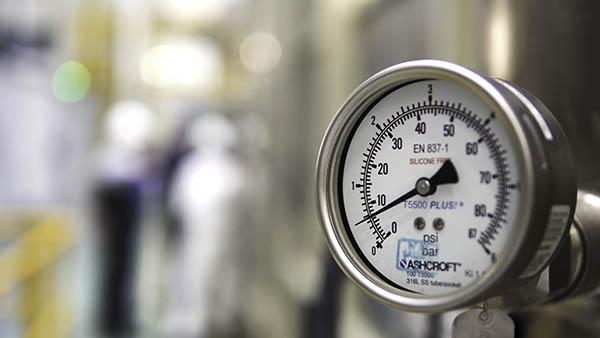
Water pressure is the force with which water flows through your pipes. It is measured in pounds per square inch (psi). The ideal water pressure for most homes ranges between 40 to 60 psi.
How is Water Pressure Regulated?
Water pressure is regulated by municipal water systems and household pressure regulators. A pressure regulator is typically installed where the main water line enters the home to ensure consistent water pressure.
The Impact of High Water Pressure
Strain on Plumbing System
High water pressure puts additional strain on your plumbing system. Pipes, joints, and fixtures are all subjected to increased force, which can lead to wear and tear over time. This excessive force contributes to water pressure causing undetected leaks, as small cracks or weaknesses may worsen under pressure.
Increased Risk of Undetected Leaks
When water pressure is too high, it can cause pipes to burst or develop small, undetected leaks. These leaks can go unnoticed until they cause significant damage.
Signs of High Water Pressure
Noisy Pipes
One of the first signs of high water pressure is noisy pipes. You may hear banging or hammering sounds, especially when turning water on or off.
Leaking Faucets and Toilets
High water pressure can cause faucets and toilets to leak. If you notice that your fixtures are leaking despite being turned off tightly, pressure may be the cause.
Water Hammer
Water hammer is a loud banging noise that occurs when water flow is suddenly stopped or changed. This is a common sign of high water pressure.
Undetected Leaks: The Hidden Danger
Why Undetected Leaks are Problematic
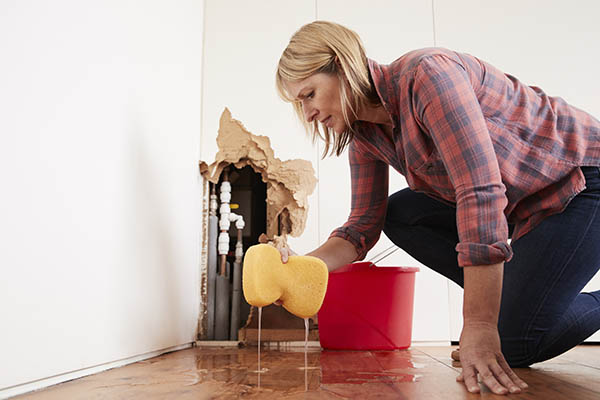
Undetected leaks caused by high water pressure can lead to mold growth, structural damage, and increased water bills.
Common Places for Undetected Leaks
- Behind Walls: Leaks can occur behind walls, making them difficult to detect until significant damage has occurred.
- Under Floors: Water can seep under flooring, causing damage to subfloors and foundations.
- In Basements: Basements are prone to leaks due to their below-ground location.
How to Detect Undetected Leaks
Monitor Your Water Bill
An unexplained increase in your water bill can be a sign of an undetected leak.
Check Your Water Meter
Turn off all water sources in your home and check your water meter. If the meter continues to move, you likely have a leak.
Inspect Your Home
Regularly inspect your home for water stains, damp spots, and mould growth.
Preventing High Water Pressure
Install a Pressure Regulator
Installing a pressure regulator helps maintain consistent water pressure and prevents high pressure from damaging your plumbing system.
Regular Maintenance
Regularly check and maintain your plumbing system. Replace worn-out fixtures and pipes.
Adjust Your Water Pressure
Aim to keep water pressure within 40 to 60 psi to prevent leaks caused by high pressure.
Repairing High Water Pressure Damage
Fixing Leaks
Repair leaks promptly. This may involve replacing pipes, fixtures, or other damaged components.
Reducing Water Pressure
If your pressure is consistently high, adjust your regulator or call a plumber.
The Role of Professional Plumbers
When to Call a Professional
If you’re unable to identify or fix leaks caused by high pressure, call a professional plumber.
Professional Inspections
Schedule annual inspections to catch issues early and maintain a healthy plumbing system.
Conclusion
High water pressure can cause undetected leaks that lead to significant damage. By understanding the signs and maintaining your plumbing system, you can prevent costly repairs and protect your home.
FAQs
How can I tell if my water pressure is too high?
Signs include noisy pipes, leaks, and water hammer. You can also check with a pressure gauge.
What is the ideal water pressure for a home?
Most homes should stay between 40 and 60 psi.
Can high water pressure damage my appliances?
Yes — it can damage washing machines, water heaters, dishwashers, and more.
How often should I check my water pressure?
Check at least once a year or anytime you notice pressure-related symptoms.
What should I do if I find a leak caused by high water pressure?
Turn off the water supply and contact a professional plumber immediately.
Think you have a leak?