A leak that returns after every repair is rarely just bad luck. When you need to locate a recurring plumbing fault fast, the priority is not another patch, sealant application or section of replacement pipe. It is proving where water is escaping, why the previous repair did not resolve the cause, and whether a second defect is feeding the same symptoms.
For villa owners, facilities managers and commercial operators, repeat plumbing failures create more than inconvenience. They drive up water bills, damage finishes, encourage mould growth, disrupt tenants and turn a small maintenance task into a costly refurbishment. In a live building, the wrong repair can also mean unnecessary demolition, avoidable downtime and a fault that remains hidden behind the wall, beneath the floor or inside a service shaft.
Why plumbing faults keep coming back
A recurring fault often means the visible symptom was repaired, not the source. Water may show itself as a damp ceiling, peeling paint, low pressure or staining at one location while travelling from a completely different point. It follows pipework, slab voids, insulation, conduits and gravity. The damp patch is evidence, not a reliable map of the leak.
In domestic properties, common causes include pinhole leaks in concealed hot or cold-water lines, failed bathroom waterproofing, leaking shower mixers, defective flexible hoses and drainage joints that only leak when a fixture is in use. In larger sites, the cause may sit within chilled-water pipework, irrigation networks, fire lines, pump rooms, tanks or ageing risers.
Previous work can also create a false sense of closure. Replacing a fitting may stop one small leak while pressure fluctuation, corrosion, poor jointing or movement in the pipe continues elsewhere. A contractor may repair the most accessible point because it is visible, even though no diagnostic test has confirmed it as the failure point.
Locate a recurring plumbing fault fast by testing first
Fast diagnosis does not mean guessing quickly. It means using the right tests in the right sequence so that every result narrows the search area. A technical inspection should begin with the building history: when the issue occurs, which fixtures are used, whether the water meter moves when all outlets are closed, what repairs have already been attempted, and whether the problem changes after pump operation or pressure changes.
Separate supply leaks from drainage and waterproofing failures
This distinction prevents wasted work. A pressurised supply leak can continue even when no taps are running. It may cause a meter to register unexplained consumption, pressure loss or persistent dampness. A drain leak normally appears only when a shower, basin, toilet, washing machine or kitchen line discharges water.
Waterproofing failures behave differently again. They may emerge after shower use, floor washing or rain exposure, with no measurable pressure loss in the plumbing system. Treating all three conditions as a pipe leak is one of the most expensive mistakes property owners make.
Pressure testing is therefore a useful early control. By isolating a section of pipework and monitoring pressure over a set period, a technician can establish whether that network is losing water. The test must be interpreted carefully. Temperature variation, trapped air, faulty valves and incomplete isolation can affect the reading, which is why evidence from more than one method is preferable.
Use non-invasive detection to pinpoint the source
Once the likely system is identified, non-destructive tools can reduce the area that needs investigation. Acoustic detection listens for the vibration created when pressurised water escapes from a pipe. It can be highly effective on metallic and suitable pressurised lines, but background noise, pipe depth and material can limit the signal.
Thermal imaging identifies abnormal temperature patterns associated with moisture or hot-water movement. It is particularly valuable for tracing warm-water leaks, assessing wet areas and comparing affected surfaces with surrounding construction. A thermal image does not automatically prove a leak, however. It must be read alongside moisture readings, usage patterns and pipe layout.
Tracer gas testing is often the stronger option where a concealed leak is small, deep or difficult to hear. The line is isolated, emptied and charged with a safe forming gas. Sensors then detect gas rising through floor finishes, tile joints or construction gaps above the escape point. This method can identify faults in concealed pipework while avoiding broad, speculative hacking.
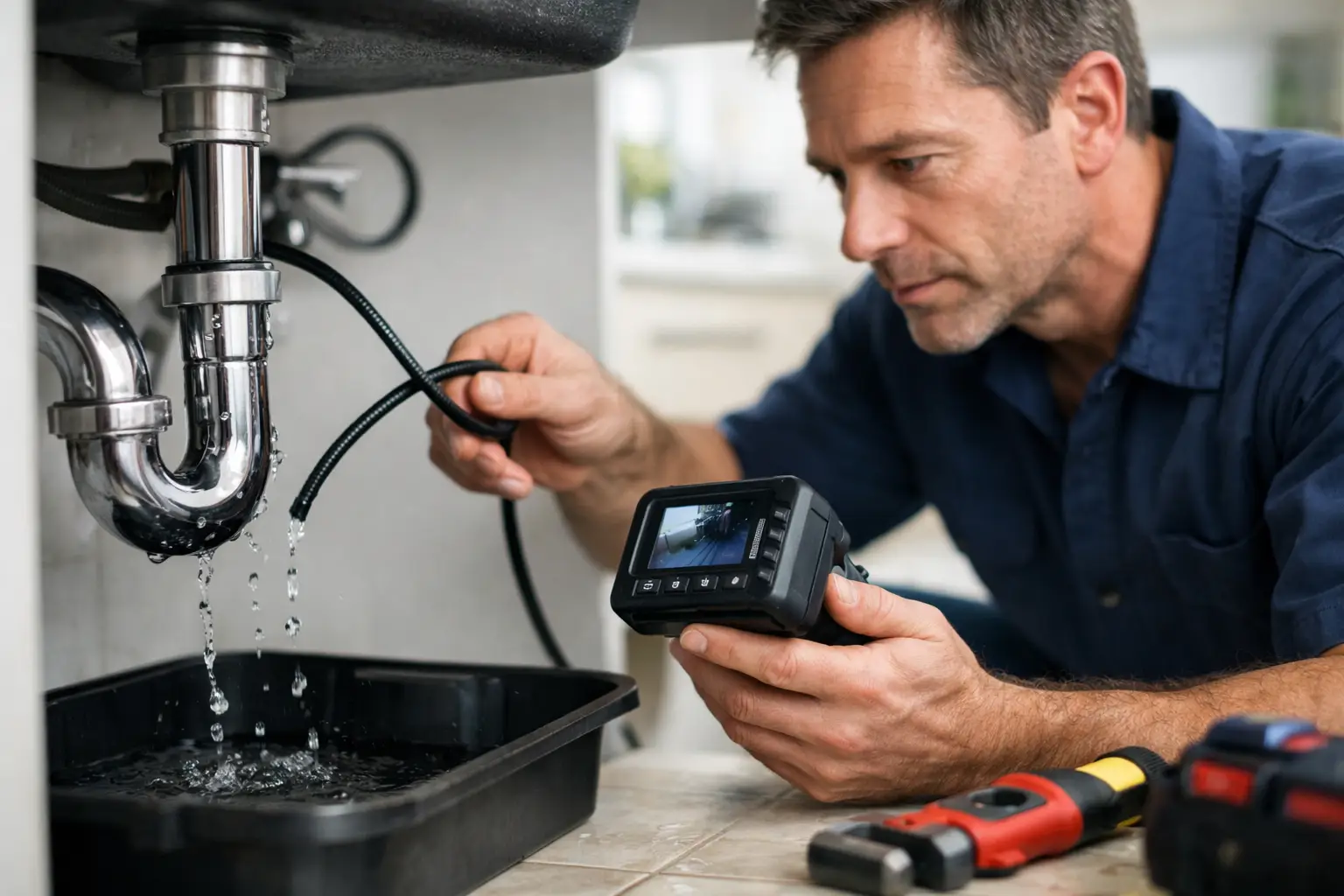
Borescope inspection, moisture mapping and controlled flood testing may also be appropriate. The correct method depends on the construction, pipe material, depth, access, operating conditions and consequence of failure. A flat bathroom with a suspected shower leak needs a different approach from a hotel riser or an industrial process line.
Do not repair until the evidence supports the scope
The repair scope should state the confirmed or highly probable failure location, the affected service, the proposed access point and the reason for selecting it. That level of clarity matters. It allows owners and managers to approve targeted work rather than open-ended demolition.
For example, if tracer gas and pressure testing indicate a leak beneath a bathroom floor, the most sensible repair may be a small local opening at the confirmed point. If testing instead points to failed shower waterproofing, cutting into the water line is unlikely to solve anything. The repair may require removal of finishes, membrane reinstatement and flood testing before tiles are replaced.
After repair, retest the system. This step is routinely missed when the surface has dried and everyone is eager to close the job. A repeat pressure test, operational test or flood test provides confirmation that the fault has been resolved before finishes are reinstated. For higher-value properties and managed assets, documented readings and photographs create a useful maintenance record and support insurance discussions where required.
Look beyond the leak point for the root cause
Finding the escape point is essential, but a recurring problem demands a wider review. If a pipe has failed through corrosion, inspect the condition and material of adjacent pipework. If pressure is consistently excessive, assess the pressure-reducing valve, booster system and water hammer risk. If pipe joints fail repeatedly, review workmanship, support spacing and movement at expansion points.
In Dubai, unexplained DEWA consumption is often the first warning sign of a concealed supply leak, particularly in villas with irrigation, pools, external kitchens or staff accommodation. Yet consumption alone cannot identify the defective line. Meter checks should be paired with isolation testing so irrigation, pool equipment, internal plumbing and external networks can be separated methodically.
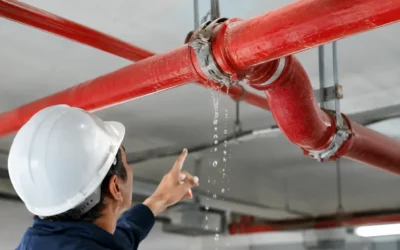
For commercial, hospitality and industrial sites, the same principle applies at greater scale. A leak on a chilled-water network may affect plant efficiency and tenant comfort. A fire-line loss may raise compliance concerns. A process-pipe failure can create operational and safety consequences far beyond the cost of water. In these settings, the diagnostic plan must work around operational constraints, access permits and shutdown windows.
Prevent the next repeat call-out
A good repair closes the immediate defect. A good maintenance strategy reduces the chance of another one. Start by retaining the test report, repair location and images before surfaces are closed. This information prevents future teams from starting with assumptions.
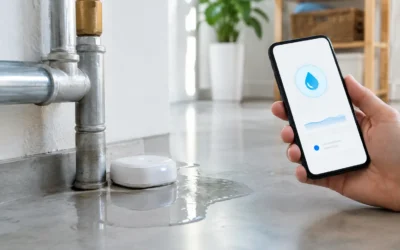
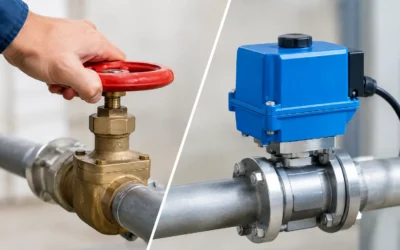
Where leak risk is high, ongoing monitoring can provide earlier warning. Smart water management valves can track flow and pressure continuously, flag abnormal usage and shut off water automatically where configured to do so. They are especially useful for vacant villas, rental portfolios and properties where a leak could run for hours before anyone notices.
Routine inspections also make commercial sense in older buildings, high-occupancy properties and sites with complex water systems. Checking valves, flexible connections, pump-room equipment, tank integrity, drainage performance and wet-area condition is less disruptive than responding to damage after the fact. The right inspection frequency depends on asset age, occupancy, water use and the cost of downtime.
LeakDtech approaches repeat failures as an engineering problem rather than a trial-and-error repair. The objective is simple: establish the source with defensible evidence, minimise opening-up works, verify the repair and leave the property with a clear record of what was found.
If a plumbing issue has returned after one repair or several, treat that recurrence as useful information. It is telling you that the fault has not yet been properly isolated. A targeted diagnostic assessment now can protect the building fabric, limit water loss and stop the next repair from becoming another expensive guess.