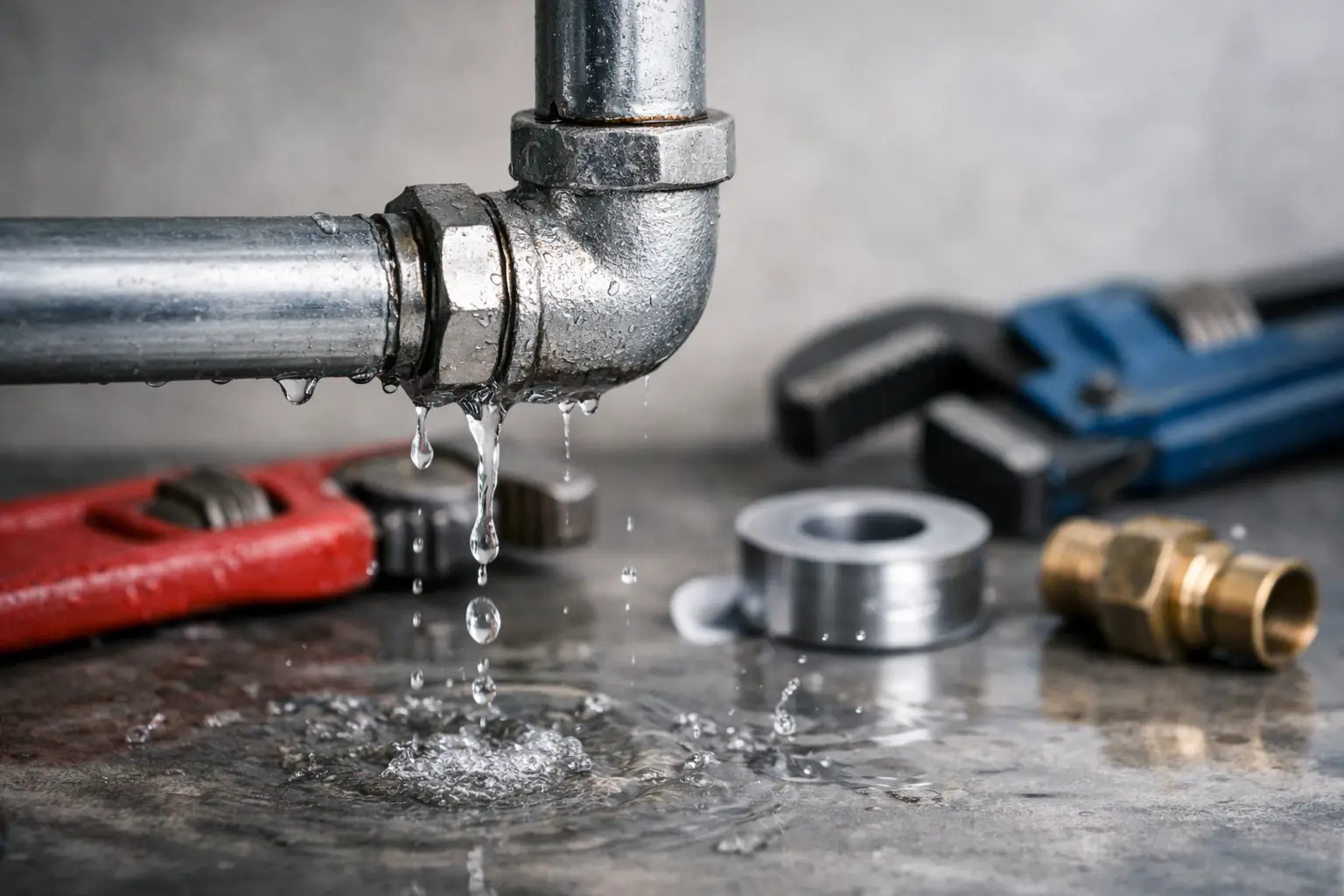
A pipe that leaks again after a repair is rarely just bad luck. It usually means the visible water damage was treated, while the underlying failure was left in place. Understanding the top reasons pipes leak repeatedly helps property owners, facilities teams and maintenance managers avoid repeated call-outs, escalating water bills and unnecessary opening-up works.
For a villa, the warning signs may be a rising DEWA bill, damp skirting or a pump that cycles when no taps are open. In a hotel, school, mall or industrial facility, repeat leaks can mean damaged finishes, operational disruption, mould risk and potential shutdowns. The right response is not simply to replace another section of pipe. It is to establish why that point failed and whether the wider system is under stress.
The top reasons pipes leak repeatedly
The repair addressed the symptom, not the source
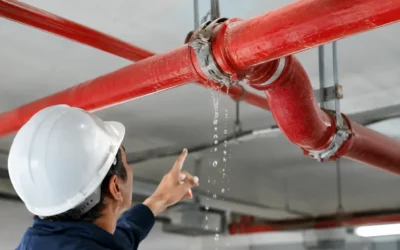
Water does not always emerge directly below the leak. It can travel along a pipe sleeve, cable route, wall cavity or concrete slab before becoming visible. A stain in a ceiling may be caused by a leaking bathroom fitting, an air-conditioning drain, a failed waterproofing layer or a pressurised pipe several metres away.
When repairs are based on visual evidence alone, contractors may remove finishes and repair the nearest accessible pipe. If that pipe was not the true source, the leak returns and the property suffers a second round of disruption. Even where the pipe is leaking, the failure may be caused by excessive pressure, movement or corrosion elsewhere in the network.
Non-invasive testing changes the process. Acoustic leak detection, thermal imaging, pressure testing and tracer gas testing can narrow down the fault before demolition begins. The method depends on the pipe material, depth, access conditions and whether the line is pressurised, but the objective is the same: repair the confirmed source, not the assumed one.
Excessive or unstable water pressure
High pressure places continuous strain on pipe walls, fittings, flexible hoses, valves and joints. The weakest component often fails first. Replacing that one component without checking the pressure means the replacement may simply become the next weak point.
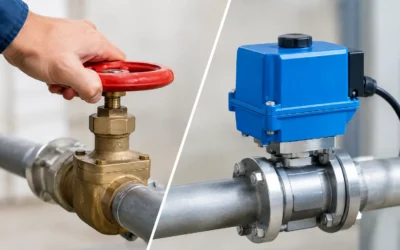
Pressure can be too high because a pressure-reducing valve has failed, a booster pump is incorrectly set, or the system has been modified without rebalancing. Pressure surges are equally damaging. Fast-closing valves, solenoid-operated equipment and sudden pump changes can create water hammer, sending a shockwave through the pipework. Over time, this loosens joints and fatigues connections.
A proper investigation should include static and dynamic pressure readings, not just a quick gauge check at one tap. Pressure that appears acceptable while water is flowing may rise sharply when demand stops. In larger properties, different zones can also experience very different pressures.
Poor installation or unsuitable materials
Some repeat leaks begin on the day the system is installed. Poorly prepared joints, incorrect pipe support spacing, inadequate pipe protection and rushed workmanship can all create future failure points. The issue may remain hidden until pressure cycles, heat and vibration expose it.
Material selection matters as well. Not every pipe, fitting or seal is suitable for hot water, chilled water, chemically treated water, external exposure or high-pressure service. A connection designed for light domestic use may not withstand the duty cycle of a pump room, irrigation network or commercial kitchen.
Mixed materials require particular care. Where dissimilar metals are connected without suitable isolation, galvanic corrosion can develop. This is an electrochemical reaction that gradually attacks one of the metals, often from the inside. The visible leak is then only the final stage of a long-running compatibility issue.
Corrosion from water quality, age or environment
Corrosion is one of the most common reasons older pipework develops repeat leaks. It can occur internally because of water chemistry, sediment, oxygen content or microbiological activity. Externally, it may be driven by damp soil, chloride exposure, condensation, chemical fumes or contact with concrete and incompatible materials.
A pinhole leak in one area can indicate thinning pipe walls throughout the same circuit. In that situation, patching individual holes may offer a short-term reprieve but not a durable solution. The financial decision becomes one of risk: continue targeted repairs where the pipework is otherwise sound, or plan a controlled replacement before multiple failures damage finishes and disrupt operations.
For industrial and petrochemical assets, this assessment requires more than visual inspection. Non-destructive testing can identify wall-loss trends and support planned maintenance decisions before a small defect becomes a safety or production issue.
Movement, vibration and thermal expansion
Pipes move. Hot-water lines expand as they heat, chilled-water lines contract, pumps create vibration and buildings themselves settle over time. If pipework has no allowance for this movement, strain concentrates at joints, elbows and connections to equipment.
This is particularly relevant around booster sets, water heaters, chillers, pumps and long pipe runs. A pipe may be securely fixed in a way that looks neat but prevents the controlled movement it needs. Alternatively, poorly supported pipework can sag, place load on fittings and create repeated joint failures.
The solution depends on the installation. It may involve correcting support spacing, replacing rigid connections with appropriate flexible sections near equipment, adding expansion provision or addressing pump vibration. Replacing the leaking fitting alone will not solve a mechanical stress problem.
Waterproofing or drainage is being mistaken for a pipe leak
Not every recurring water issue comes from a pressurised pipe. Failed bathroom waterproofing, cracked grout, deteriorated sealant, blocked floor drains, damaged roof membranes and leaking condensate drains can all produce symptoms that resemble a plumbing leak.
This distinction matters because a plumber can repair pipework perfectly while water continues entering the structure from above or around it. Pressure testing helps establish whether a water supply line is losing pressure. Drain tests, moisture mapping and thermal inspection can then help separate plumbing failures from drainage or waterproofing defects.
In Dubai, roof areas, balconies, wet rooms and external service zones face demanding heat cycles and heavy use. A targeted diagnosis can prevent expensive bathroom or façade refurbishment work being carried out on the wrong assumption.
Hidden leaks were never tested after the repair
A repaired line should not be considered proven because water has stopped appearing for a few hours. Some leaks only show under operating pressure, when a pump starts, when hot water circulates or after a drainage system receives a sustained flow.
Commissioning tests are essential after repair work. Depending on the system, these may include pressure holding tests, flow checks, acoustic verification, thermal scans or controlled drain testing. The results should be documented, especially in managed properties where maintenance records, warranty discussions and insurance claims may later depend on clear evidence.
Without verification, a contractor and property owner can both assume success while a slow leak continues behind finishes. By the time it becomes visible, plasterboard, joinery, insulation and flooring may already be affected.
When repeat leaks point to a wider system problem
One repeat leak does not always mean total pipe replacement is necessary. A single damaged fitting in an otherwise sound system can be repaired efficiently. However, repeated failures in the same zone, multiple pinholes, recurring pump pressure issues or leaks appearing after every repair are strong indicators that a system-level assessment is needed.
For homes, that may mean testing hot and cold-water circuits separately, checking concealed bathroom lines and reviewing pressure control. For facilities managers, it may involve segmenting a larger network, reviewing maintenance history and identifying whether failures correlate with pump operation, temperature changes or specific equipment.
The key is to avoid false economies. A cheap repair that fails within weeks costs more than the replacement fitting. It can lead to another emergency visit, further access damage, tenant complaints, lost room availability or business interruption. Accurate diagnosis often reduces total cost precisely because it prevents this repair cycle.
A more reliable response to recurring pipe leaks
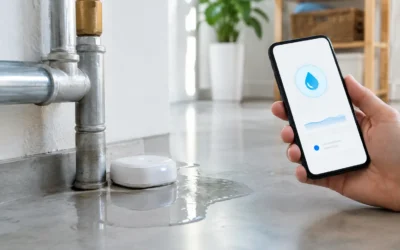
Start by recording what is known: where water appears, when it is most noticeable, whether the water meter moves during no-use periods, and whether the problem follows pump operation or hot-water use. This information gives technicians useful direction, but it should not replace testing.
Next, isolate and test the relevant circuits. A competent leak investigation combines evidence rather than relying on a single tool. Pressure testing may confirm a loss, thermal imaging can identify abnormal moisture patterns, acoustic equipment can locate pressurised leaks, and tracer gas can be highly effective where pipe routes are concealed below floors or behind finishes.
Only after the source and failure mechanism are understood should repair scope be agreed. That may be a localised repair, a pressure-control correction, selective pipe replacement or a planned upgrade of an ageing section. LeakDtech applies this evidence-led approach to reduce unnecessary demolition and give clients a clear basis for repair decisions.
A repeat leak is a signal to investigate more carefully, not simply to patch faster. Acting on verified test results protects the property, limits disruption and gives the repair a far better chance of being the last one needed.