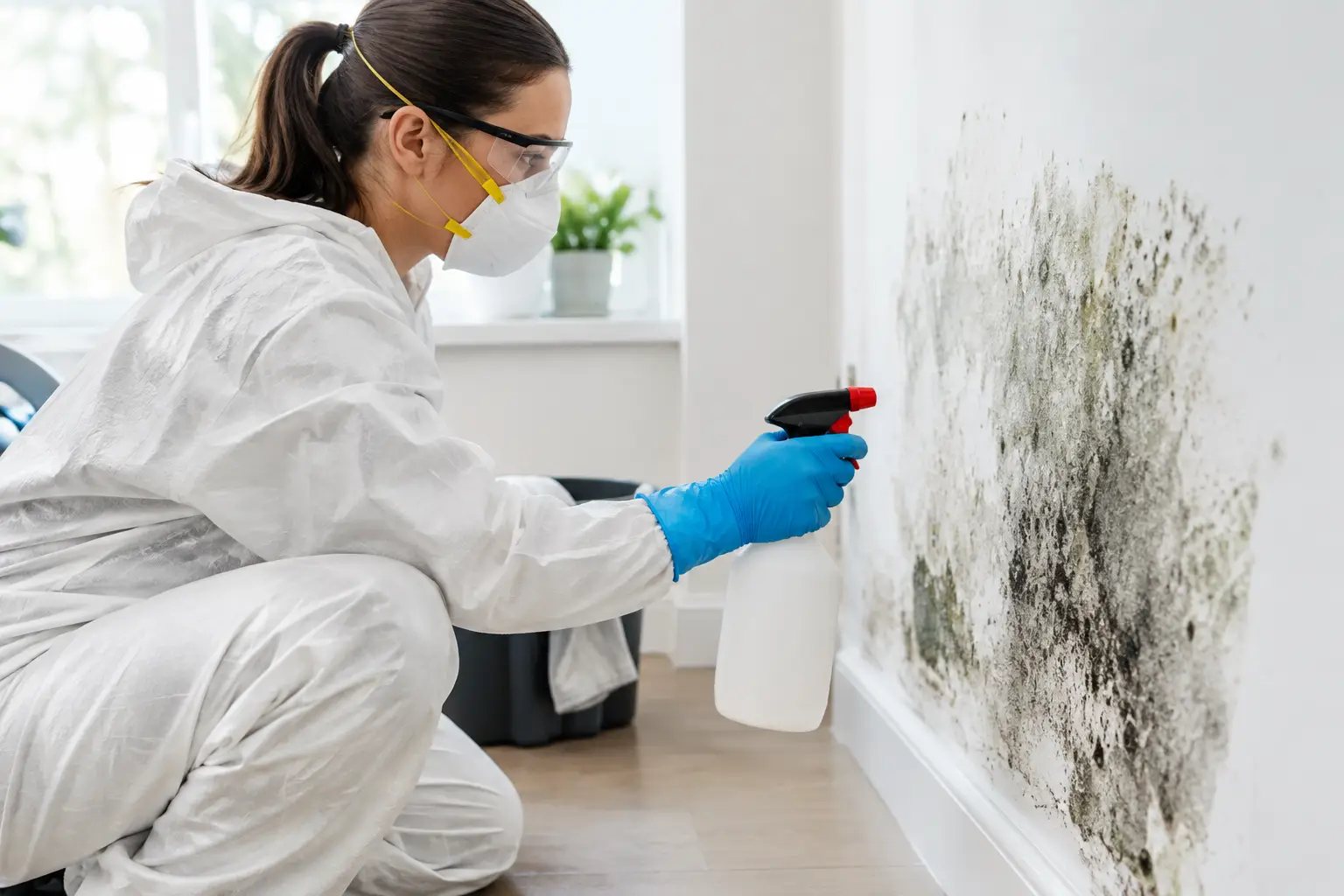
A black patch behind a wardrobe, blistering paint around an AC grille or a persistent musty smell in a bathroom is rarely just a cleaning problem. Effective mould treatment starts by identifying why moisture is present, then removing the growth safely and correcting the condition that allowed it to develop. If the water source remains active, mould can return within weeks – often behind finishes where the damage is harder and more expensive to repair.
For homeowners, landlords, facilities managers and commercial operators, the priority is not simply making a wall look clean. It is protecting the building fabric, avoiding tenant complaints, reducing refurbishment costs and preventing a small moisture issue from becoming a recurring maintenance failure.
Why mould develops inside properties
Mould needs three things: moisture, a suitable surface and time. Plasterboard, paint, timber, ceiling tiles, carpet backing and dust deposits can all support growth when they remain damp or humid for long enough. Cleaning the visible surface may improve the appearance, but it will not resolve moisture trapped within a wall, ceiling void or floor finish.
In Dubai properties, concealed plumbing leaks and air-conditioning condensation are frequent contributors. A slow leak from a bathroom supply line, waste pipe, roof penetration or irrigation connection can keep materials damp without producing obvious pooling. Poor ventilation, poorly insulated chilled-water pipework and condensation around AC diffusers can create similar symptoms.
The location of the mould provides useful diagnostic evidence. Growth concentrated below a bathroom, around a ceiling access panel or along one section of skirting may indicate a localised water leak. Mould at external corners, behind large furniture or near cold AC surfaces may be linked to condensation and restricted air movement. The pattern matters because the remedy depends on the cause.
Mould treatment begins with moisture diagnosis
A reliable mould treatment programme should not begin with chemicals. It should begin with inspection. The objective is to establish whether the affected area is dry, whether water is still entering the structure and how far the moisture has travelled.
A technical assessment can include moisture readings, thermal imaging, visual inspection of plumbing and drainage routes, pressure testing and targeted acoustic or tracer-gas leak detection where concealed pipework is suspected. Each method answers a different question. Thermal imaging can identify temperature anomalies associated with damp areas, while moisture meters help confirm elevated readings in finishes. Pressure testing can reveal loss from a water line, but may not identify the exact location without further investigation.
This approach avoids a common and costly mistake: removing damaged paint and treating the surface before confirming whether a leak is active. If a pipe continues to lose water behind the wall, new finishes may fail and the property may need to be opened again. Non-invasive testing is particularly valuable in occupied villas, hotels, schools and healthcare environments, where unnecessary demolition disrupts daily operations.
Distinguishing leaks from condensation
Leaks and condensation can look similar at first, yet require different corrective work. A leak may cause consistently high moisture readings in a defined area, staining that worsens over time, or a measurable pressure drop on a water circuit. Condensation is more likely to occur on cold surfaces, around poorly insulated pipework, at AC outlets or where warm humid air meets a chilled surface.
There can also be more than one factor. For example, a small plumbing leak may dampen a ceiling, while poor ventilation slows drying and increases mould spread. A good diagnosis accounts for the whole moisture pathway rather than assigning a cause based on appearance alone.
What professional mould treatment should include
Once the moisture source has been stopped, the affected materials must be assessed. Some non-porous surfaces can usually be cleaned and disinfected when contamination is limited. Porous materials that are heavily saturated or deteriorated, such as damaged plasterboard, ceiling tiles, insulation or carpet underlay, may need controlled removal and replacement.
The work should be contained where necessary to prevent spores and dust spreading into occupied areas. Technicians should protect adjacent finishes, isolate the work zone and use suitable personal protective equipment. Simply sanding, scraping or dry-brushing mould can release particles into the room and contaminate nearby surfaces.
After removal or cleaning, the structure needs to dry fully before reinstatement. This may involve dehumidification, air movement and repeat moisture checks. Drying is not an optional finishing step. Painting over a damp surface, even with a mould-resistant coating, can trap moisture and lead to staining, peeling and renewed growth.
The final stage is reinstatement. Repairs may include replacing localised plasterboard, repairing joint sealant, reinstating ceiling sections, improving insulation around chilled-water lines or correcting the airflow issue that contributed to condensation. Mould-resistant paint can be useful as part of this stage, but it is a protective finish, not a substitute for leak repair or moisture control.
When a visible patch signals a larger property issue
Mould can be the first visible warning of a hidden defect. In residential properties, it may indicate a leaking shower waterproofing system, failed silicone sealant, cracked grout, concealed supply-line leak or a slow drain leak. In commercial buildings, it can point to AC condensate drainage failures, leaking fire lines, roof defects, chilled-water pipe insulation problems or water ingress around façade interfaces.
Repeated mould in the same area deserves investigation, especially after previous cleaning or repainting. The financial impact is rarely limited to the affected patch. Delayed action can lead to ceiling collapse risk, damaged joinery, corrosion, tenant disruption, insurance discussions and avoidable refurbishment work.
For property managers, documenting the findings is also valuable. Clear moisture readings, inspection notes and repair recommendations support maintenance planning and help separate a one-off surface issue from a defect requiring contractor action. This is particularly relevant during defect liability inspections, handovers and disputes involving recurring dampness.
Reducing the risk after treatment
A dry property is the strongest defence against mould, but ongoing habits and maintenance still matter. Bathrooms and kitchens need effective extraction and regular checks around sealant, traps and supply connections. Air-conditioning systems should drain correctly, with clean condensate lines and insulated pipework where required. Furniture should not be pressed tightly against persistently cold external walls, as restricted airflow can allow condensation to build behind it.
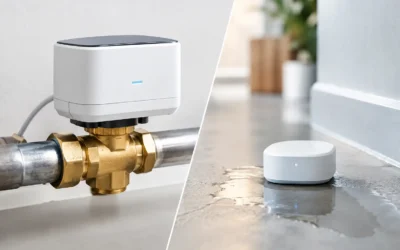
Landlords and facilities teams should respond quickly to reports of musty odours, staining and peeling paint. These symptoms are often treated as cosmetic defects, but early inspection can prevent a much larger repair scope. Monitoring water consumption can also help identify concealed leaks before dampness becomes visible. A sudden unexplained increase in water use is worth investigating, even when there is no obvious wet area.
In larger sites, planned inspections of wet areas, plant rooms, roof drainage, irrigation systems and AC infrastructure create a clearer maintenance record and reduce reactive call-outs. The right schedule depends on the building type, occupancy, age of services and history of previous failures.
Choose a remedy based on evidence
There is no single mould treatment that suits every property. Surface growth caused by brief condensation may require targeted cleaning, drying and ventilation improvements. Growth caused by a concealed leak requires leak location, repair, controlled drying and reinstatement. Extensive contamination in an occupied commercial environment may need a carefully phased programme to protect operations and occupants.
The practical rule is simple: do not judge the problem by the size of the stain. Judge it by the moisture source, the materials affected and the consequence of allowing it to continue. LeakDtech approaches mould-related damage as a property diagnostic issue first, helping clients avoid cosmetic repairs that fail when the underlying water problem remains unresolved.
A clean wall is reassuring, but a verified dry structure is what protects the property long after the treatment team has left.