
A swimming pool should not need constant topping up, repeated chemical balancing, or unexplained plant room adjustments to stay operational. When those issues start appearing together, a pool leak detection service becomes less of a convenience and more of a cost-control measure. The longer a leak runs undiagnosed, the more likely it is to affect surrounding finishes, underground pipework, pump performance, and the overall reliability of the pool system.
Pool leaks are rarely just about visible water loss. In residential settings, they can drive up utility bills, damage paving, and create persistent damp around the pool shell or nearby structures. In hotels, schools, residential communities, and leisure facilities, the stakes are higher. Ongoing water loss can disrupt operations, increase chemical consumption, and lead to avoidable shutdowns if the source is not isolated quickly and correctly.
What a pool leak detection service actually does
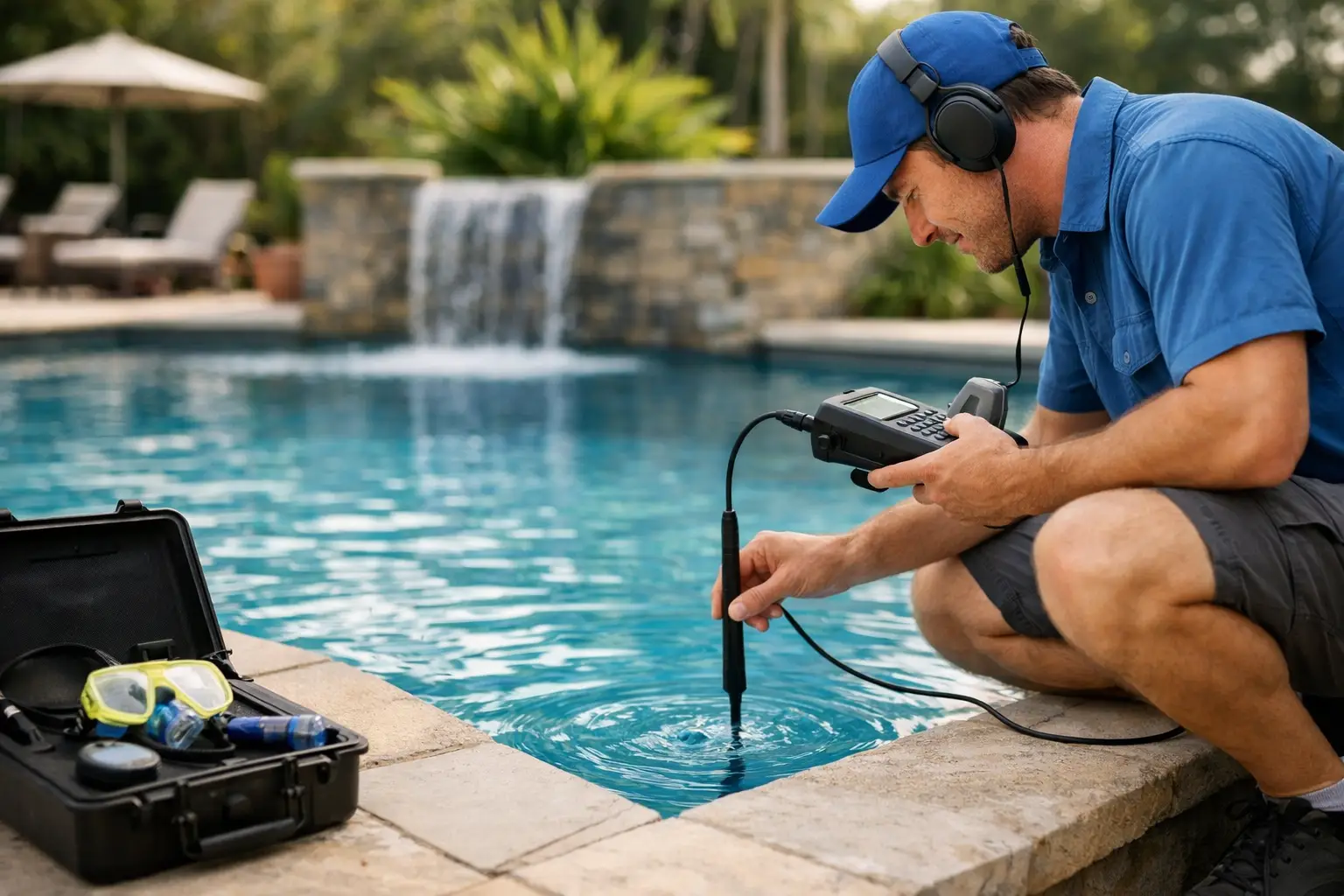
A professional pool leak detection service is designed to determine whether water loss is normal evaporation or a genuine system failure, then pinpoint the source with as little disruption as possible. That distinction matters. Many pool owners assume a leak because the water level drops, while others blame evaporation for losses that are far beyond normal. The right assessment removes guesswork.
The investigation usually covers more than the pool basin itself. A leak may be in the shell, fittings, expansion joints, skimmer lines, return lines, main drain circuits, balancing tank connections, plant room valves, or associated pipe networks. In overflow and commercial pools, there may also be losses linked to surge tanks, make-up water systems, filtration equipment, or concealed underground infrastructure.
This is where technical method matters. A competent specialist uses pressure testing, acoustic tools, tracer gas, dye testing, thermal imaging, and targeted visual inspection to narrow the problem down. The aim is not to confirm that water is escaping. It is to identify exactly where, under what conditions, and how confidently the leak can be isolated before repair works begin.
Why pool leaks are often misdiagnosed
Pool systems are more complex than they look from deck level. Water can escape from a cracked pipe under pressure, a hairline structural defect, a failed light niche seal, or a valve issue that only shows up when the circulation system is running. Some leaks appear only when the pool reaches a certain level. Others stop once the water drops below a particular fitting. Without a structured test sequence, it is easy to repair the wrong component and still have the original problem in place.
This is why repeat repair history is such a strong indicator that a more technical inspection is needed. If grout has been redone, fittings resealed, or pipe sections replaced without resolving the water loss, the issue is likely either incorrectly diagnosed or only partially addressed. A proper detection process saves money not because testing is cheaper than repair, but because accurate testing prevents unnecessary repair work.
Signs you should not ignore
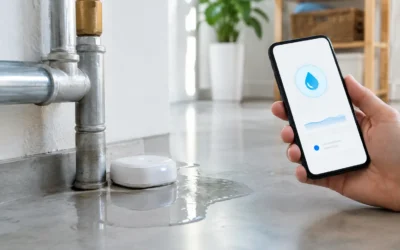
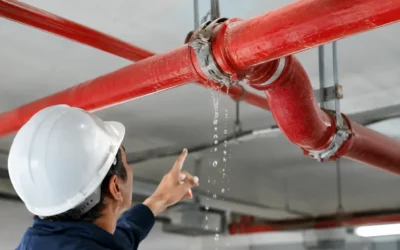
Excessive water top-up is the most obvious warning sign, but it is not the only one. A pool that drifts out of chemical balance unusually fast may be losing treated water continuously. Air entering the circulation system, reduced filtration efficiency, wet patches around the pool area, subsidence near pipe routes, or unexplained damp in adjacent plant spaces can all point to concealed leakage.
For homeowners, the first red flag is often the utility bill. For community managers and facilities teams, it is more likely ongoing make-up water demand, recurring maintenance complaints, or unexplained instability in plant performance. In commercial environments, even a small leak can become expensive when multiplied across continuous operation, water treatment costs, labour, and the risk of surface damage or guest disruption.
Pool leak detection service for residential pools
In villas and private residences, owners often delay testing because the leak seems minor or seasonal. That can be a costly assumption. A slow leak under paving or behind a retaining wall may continue for months before visible damage appears. By then, repair access is usually more invasive and far more expensive than the original fault.
Residential pool leak detection should focus on speed, clarity, and non-destructive diagnosis. The priority is to confirm whether the leak is structural or mechanical, assess whether underground pipework is involved, and provide a clear basis for repair. Not every residential case requires advanced testing across every system. In some cases, a focused pressure and dye assessment is enough. In others, tracer gas and acoustic location are needed to track concealed pipe failures accurately.
Pool leak detection service for commercial and community facilities
In hotels, schools, sports clubs, residential compounds, and managed developments, a pool leak affects more than the water level. It can trigger complaints, increase operating cost, affect water hygiene management, and create scheduling pressure for maintenance teams who are already balancing multiple priorities. If the leak is near electrical services, basement areas, or shared infrastructure, the urgency increases again.
A commercial pool leak detection service should therefore do two things well. It must locate the fault accurately, and it must do so in a way that limits operational disruption. That means planned testing, clean reporting, and a practical understanding of how pool systems interface with plant rooms, MEP services, and site access constraints.
For larger sites, documentation matters almost as much as the technical result. Facilities managers, insurers, contractors, and developers may all need evidence of what was tested, what failed, and how the fault location was confirmed. A vague diagnosis is not enough when repair budgets, warranties, or defect liability questions are involved.
The value of non-invasive testing
Breaking tiles at random, excavating around pipe routes, or replacing fittings on assumption is an expensive way to chase a leak. Sometimes intrusive access is unavoidable at repair stage, but it should not be the first step in diagnosis. Non-invasive testing exists to reduce the search area, improve repair confidence, and protect finished surfaces wherever possible.
That matters particularly in premium residential properties, hospitality environments, and newly completed developments where reinstatement costs can exceed the repair itself. It also matters on operational sites where downtime carries a direct commercial impact. Precision is not just a technical benefit. It is a financial one.
What affects the cost and scope of investigation
No two pool leak cases are identical. A compact residential plunge pool with one circulation loop is very different from an overflow pool connected to a balancing tank, multiple suction and return lines, water features, and automated dosing equipment. The scope of testing depends on pool type, symptom history, site access, and whether previous repairs or alterations have already complicated the system.
Water loss rate is only one factor. A slow leak in a difficult location can require more specialised testing than a larger but more obvious fault. Likewise, visible cracking does not always mean the shell is the root cause. Structural movement, pipe stress, failed penetrations, and workmanship defects can all present in similar ways. The right approach is not to assume the source from surface symptoms. It is to test in sequence until the evidence is strong enough to act on.
Why speed matters
A pool leak rarely stays confined to the original point of failure. Water migrates. It finds weak joints, voids, service penetrations, and adjacent structures. What begins as a manageable maintenance issue can become a broader building defect if left unresolved. This is especially relevant where pools sit close to basements, retaining walls, equipment rooms, or landscaped areas.
Fast diagnosis also protects decision-making. The longer teams operate on assumptions, the more likely they are to spend money in the wrong place. A results-driven technical service shortens that cycle. It gives owners and operators a clear path from symptom to diagnosis to repair, without the delays and collateral damage that often come with trial-and-error maintenance.
Choosing the right pool leak detection service
The best provider is not simply the one with the lowest call-out cost. It is the one with the tools, testing discipline, and reporting quality to diagnose the problem properly. Pool systems sit at the overlap of waterproofing, hydraulics, MEP services, and building fabric. That requires more than a general maintenance view.
Look for an engineering-led approach, non-destructive capability, and evidence that the team can work across both domestic and commercial environments. If the site is operational, responsiveness and cleanliness matter. If the leak has already defeated earlier repairs, technical certainty matters even more. LeakDtech approaches these cases with that mindset – isolate the fault precisely, minimise disruption, and give the client a repair path based on evidence rather than guesswork.
If your pool is losing water and the explanation keeps changing, the next step should not be another speculative repair. It should be a proper diagnosis that protects the asset, the budget, and the time you would otherwise lose chasing the same problem again.