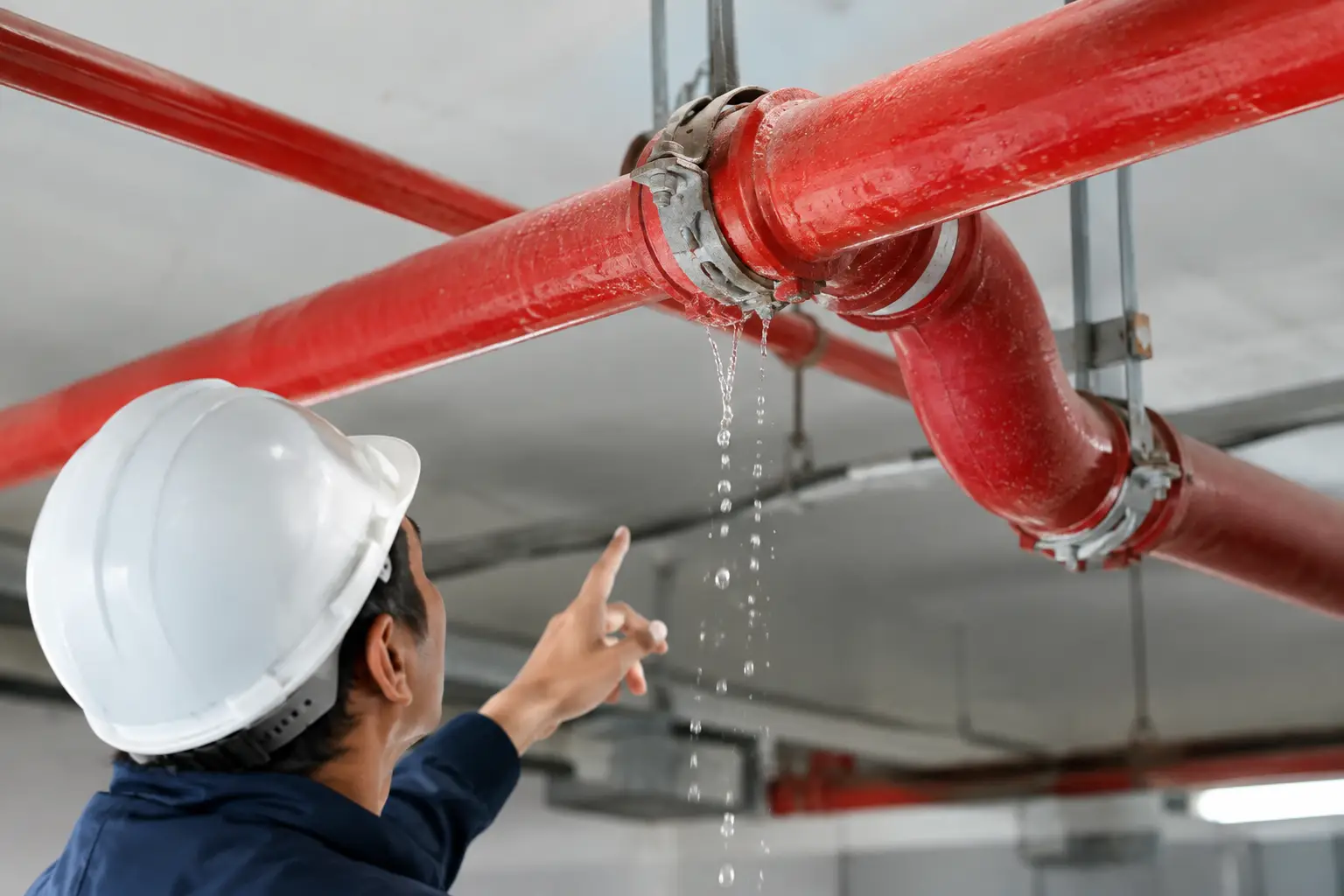
A fire line can look perfectly serviceable until the moment its pressure drops, a valve will not open, or water escapes into a ceiling void instead of reaching a fire hose reel or sprinkler head. The question of when do fire lines fail is not theoretical for property owners and facilities teams. A hidden failure can place lives, assets, insurance cover and operational continuity at risk.
Fire water networks are often out of sight, running through risers, plant rooms, ceiling spaces, external trenches and service corridors. That makes early diagnosis essential. The aim is not simply to find a leak, but to confirm whether the system can perform as designed without creating unnecessary demolition, shutdowns or repair costs.
When Do Fire Lines Fail in Real Buildings?
Fire lines usually fail progressively before they fail visibly. Internal corrosion may thin a steel pipe over years. A small joint leak may only become apparent when a pressure test is carried out. A partly closed isolation valve may go unnoticed until an emergency, when water flow is restricted where it matters most.
Failure can mean different things depending on the installation. In a wet riser, sprinkler main or hydrant network, it may be loss of static pressure caused by a concealed leak. In a dry system, it may involve air loss, water ingress, a damaged valve or a compromised connection. In either case, the consequence is the same: the system may not deliver the required pressure and flow during a fire event.
The highest-risk periods are often after building works, refurbishment, tenant fit-outs, ground movement, prolonged inactivity or changes to the fire pump and tank arrangement. Pipework is also vulnerable where it passes through damp areas, exposed external zones, plant rooms with persistent condensation, or locations subject to vibration and accidental impact.
The Main Causes of Fire Line Failure
Corrosion from the inside out
Corrosion is one of the most persistent causes of concealed fire line leaks. Water quality, stagnant sections of pipe, oxygen exposure and unsuitable materials can accelerate internal degradation. Galvanised and steel pipework may appear sound externally while corrosion products build up inside, reducing the bore and weakening the wall thickness.
The result is not always a dramatic rupture. Pinholes, weeping threaded connections and small flange leaks can cause gradual pressure loss, damp finishes and corrosion around supports. Left unresolved, a minor defect can develop into a significant break requiring emergency isolation and expensive reinstatement.
Mechanical damage and poor installation
Fire lines are regularly affected by drilling, ceiling works, unauthorised modifications and impact from maintenance activities. In commercial buildings, changes above suspended ceilings can disturb pipe supports or damage branch lines without immediate visibility.
Installation defects also matter. Incorrect jointing, incompatible materials, inadequate supports, poorly sealed penetrations and insufficient protection at movement points can all create long-term weak points. A system may pass at handover yet develop faults after normal building movement and pressure cycling.
Valve, pump and pressure-control problems
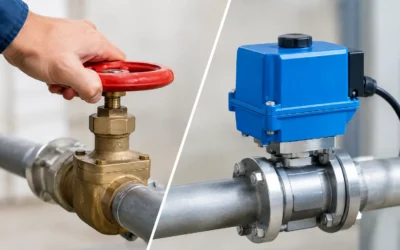
A fire line is more than pipework. Control valves, non-return valves, pressure-reducing valves, fire pumps, jockey pumps and tank connections all affect performance. A valve that is shut, partially closed, seized or incorrectly supervised can make a healthy pipe network ineffective.
Repeated pump cycling is a common warning sign. It may indicate pressure loss somewhere in the network, although the cause must be verified rather than assumed. A leaking valve, faulty pressure switch or defect at the pump set can create similar symptoms. Proper diagnosis separates a pipework leak from a mechanical or control issue before repairs begin.
External movement and environmental exposure
Buried fire mains face different pressures. Settlement, excavation, vehicle loading, poor bedding, root intrusion and fluctuating soil conditions can stress joints and pipe walls. In Dubai, heat exposure, ground conditions and intensive construction activity can add to the risk around external networks.
Above ground, ultraviolet exposure, humidity, salt-laden air in coastal locations and condensation can affect coatings, supports and fittings. These conditions do not guarantee a failure, but they justify planned inspection rather than waiting for a visible leak.
Warning Signs That Need Immediate Investigation
The most obvious warning is pressure loss, especially when it recurs after the system is topped up or the pump restores pressure. However, facilities teams should not wait for an alarm condition. Damp patches around risers, unexplained water in plant rooms, corrosion beneath clamps, stained ceiling tiles, mould growth and water meter movement during periods of no expected use can all point to a hidden defect.
Other signs are less visible: frequent jockey pump starts, unexplained water consumption, pressure gauge fluctuations, reduced hydrant performance, or a history of repeated local repairs. A repair that solves the symptom in one location but does not address wider pipe condition can lead to another failure nearby.
For buildings with tenants, guests, patients, pupils or critical operations, any suspected fire line leak should be treated as a priority. Water damage is costly, but impaired fire protection is the greater concern. The responsible fire system contractor and relevant building management procedures should be engaged promptly where system availability may be affected.
Why Visual Checks Alone Are Not Enough
Visual inspection has value, but it cannot confirm the condition of concealed pipework or locate every pressure loss. Breaking walls and ceilings based on guesswork creates disruption without guaranteeing the defect will be found.
A targeted investigation can combine pressure testing, acoustic leak detection, thermal imaging where moisture patterns are relevant, tracer methods and technical inspection of accessible valves, joints and pump equipment. The right method depends on pipe material, line size, operating pressure, whether the system is live, and the location of the suspected fault.
Acoustic equipment can identify the sound created by water escaping under pressure. Pressure testing can establish whether a section is losing integrity. Thermal imaging may help identify secondary moisture impact in finishes, though it does not see through walls or detect every leak directly. A reliable assessment uses evidence from more than one source, rather than relying on a single instrument reading.
Testing Must Protect System Readiness
Testing fire lines requires control. Isolating the wrong section, changing valve positions without records or draining pipework without a reinstatement plan can create an avoidable impairment. This is why testing should be coordinated with the building’s fire safety team, facilities manager and approved fire protection contractor.
The investigation should establish the scope of the suspected defect, identify affected zones, record pressure conditions and provide clear findings for repair planning. Where a leak is confirmed, the repair should be followed by the required reinstatement, functional checks and documentation under the site’s applicable fire safety procedures and authority requirements.
For a villa, this may be a contained issue around a pump room, external hydrant line or fire tank connection. For a hotel, hospital, mall or industrial site, it may require phased work to avoid interrupting critical protection or operations. The technical approach changes, but the principle remains the same: locate accurately, repair decisively and verify the outcome.
Preventing Repeat Fire Line Failures
The cheapest fire line failure is the one identified before it becomes an emergency. Planned inspections should focus on pressure trends, pump activity, accessible corrosion, valve condition, signs of moisture and areas affected by recent works. Buildings with ageing pipework, recurring leaks or high consequence operations benefit from a documented condition assessment rather than isolated call-outs.
It also pays to keep clear records of previous leaks, test results, valve changes and repairs. Patterns matter. Multiple failures in similar pipe sections may indicate widespread corrosion, unsuitable material selection or a systemic installation issue. Replacing only the latest failed fitting can postpone, rather than solve, the larger problem.
LeakDtech supports property and facilities teams with non-invasive investigation methods that reduce unnecessary opening-up and help establish a defensible repair scope. For any suspected impairment, detection work should complement, not replace, the inspections and certification required for the fire protection system itself.
A fire line does not need to burst dramatically to have failed. If pressure is unstable, pumps are cycling unexpectedly or moisture is appearing where it should not, act while the fault is still contained. Fast, evidence-led diagnosis protects the building today and preserves the fire system’s ability to perform when it is needed most.