A concealed pipe leak rarely announces itself at the point of failure. It may first appear as an unexplained increase in water consumption, a musty odour in an occupied room, a stain below a bathroom, or pressure loss on a critical line. The question of when should buildings have leak inspections is therefore not just about reacting to visible damage. It is about finding faults before water reaches finishes, electrical systems, stock, equipment or neighbouring properties.
For homeowners, a planned inspection can prevent a small water loss becoming a major refurbishment. For facilities and asset managers, it can protect uptime, control utility spend and provide evidence that essential systems are being monitored. The right frequency depends on the building, its services, its age and the consequence of failure.
When should buildings have leak inspections?
Every building should have a leak inspection after a clear warning sign, after work that may affect pipework or waterproofing, and as part of a planned maintenance regime. A new villa with recently completed waterproofing does not carry the same risk as a 20-year-old residential block with altered plumbing and recurring tenant complaints. Equally, a small seepage in a guest bathroom is different from a suspected leak on a fire line, chilled water circuit or process pipe.
As a practical baseline, most occupied residential and commercial properties benefit from an annual inspection of accessible water systems and areas with a history of failure. Buildings with higher water demand, ageing infrastructure or operationally critical services may require inspections every six months or continuous monitoring instead.
A calendar-based programme is valuable, but it should never replace condition-based action. If the evidence points to a leak, inspect immediately. Waiting for the next scheduled visit gives water more time to migrate through slabs, walls and finishes.
Trigger events that require immediate testing
Some circumstances justify a professional inspection even if there is no visible damp patch. Unusually high DEWA bills are a common example in Dubai, particularly where irrigation networks, underground supply lines, pools or concealed bathroom pipework are involved. Consumption data can reveal a problem long before surface damage appears.
Act quickly when you notice persistently low pressure, a water meter moving while all fixtures are off, warm or cold areas on floors, peeling paint, bubbling finishes, mould growth, damp odours or pooling around external plant and tanks. These symptoms do not prove the location of a leak, but they justify accurate diagnosis.
Inspection is also prudent after a burst pipe, even when the obvious failure has been repaired. The original event may have saturated wall cavities, screed or insulation. It may also indicate wider corrosion, pressure issues, poor jointing or workmanship elsewhere on the same system.
Following renovations, kitchen and bathroom alterations, AC work, external landscaping or new irrigation installation, a targeted check is sensible. Contractors may disturb existing services, create concealed connections or compromise waterproofing. Verifying the system before finishes are closed reduces the risk of opening completed work later.
Planned intervals by property type
There is no universal inspection interval, but risk can be managed with a sensible programme.
Villas, flats and residential buildings
For individual homes, an annual inspection is a sensible starting point, especially where the property is older, intermittently occupied or has experienced previous leaks. Landlords should consider checking between tenancies, when empty properties can conceal a continuous leak for weeks.
Multi-storey residential buildings need a more coordinated approach. Risers, common-area pipework, roof tanks, pump rooms, irrigation lines and stacks should be inspected within the planned maintenance schedule. A complaint from one flat may originate from a shared line or from a unit several floors away, so diagnosis must follow the pipe route rather than assumptions.
Hotels, schools, hospitals and retail sites
High-occupancy properties should normally be assessed at least twice yearly, with more frequent checks in known problem zones. Water damage in a hotel room can cause lost revenue and guest disruption. In a school or hospital, it can affect safety, hygiene and critical areas that cannot simply be closed for repairs.
Retail centres and malls face a similar operational risk. A leak above a trading unit can damage tenant fit-outs, interrupt footfall and generate difficult liability discussions. Inspection programmes should focus on roof drainage, washrooms, food service areas, plant rooms and concealed distribution networks.
Commercial, industrial and petrochemical facilities
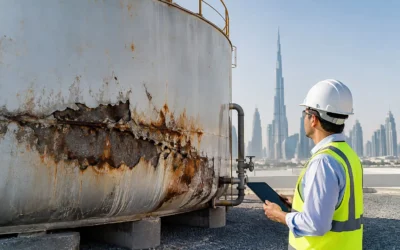
For industrial facilities, leak inspections must be aligned with asset criticality, maintenance plans and shutdown windows. Fire water lines, chilled water systems, process pipework, holding tanks and underground networks can require pressure testing, non-destructive testing and continuous monitoring rather than an annual visual review.
The failure consequences matter as much as the likelihood. A minor potable water leak may increase operating costs; a process or fire line failure may create safety, compliance and production risks. Critical assets should have documented inspection frequencies based on their materials, operating pressure, age, corrosion exposure and duty cycle.
New buildings, handovers and defect periods
Newly completed does not mean risk-free. Defects often become apparent only after the building is occupied and systems are operating under normal pressure and use. Leak inspections and water tightness testing should form part of handover checks, particularly in wet areas, roofs, podiums, basements, tanks and external works.
During the defects liability period, owners and developers should investigate recurring dampness, cracked finishes, water ingress and abnormal consumption promptly. Delaying a documented inspection can make it harder to establish the cause and responsibility. A technical report based on test results provides a stronger foundation for remedial discussions than photographs of a stain alone.
Why visual checks are not enough
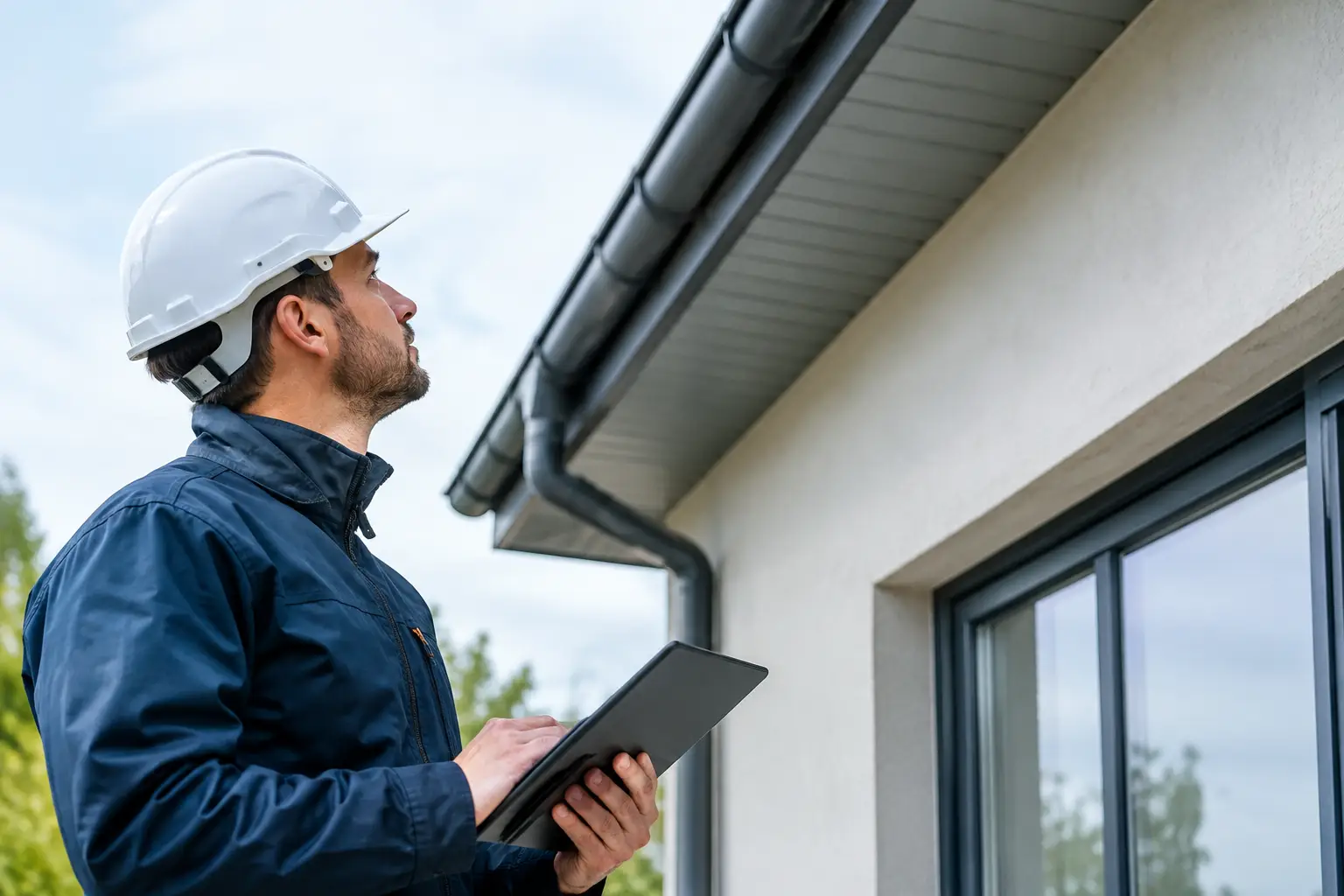
Visual inspections identify symptoms, not always the source. Water can travel along conduits, pipe sleeves, slab reinforcement and wall cavities before it becomes visible. Demolishing the area nearest to the stain often leads to unnecessary repair costs and still may not expose the actual point of failure.
A professional investigation begins by isolating the system and understanding the building layout, material types and reported symptoms. The most effective method depends on the situation. Acoustic detection can help locate pressurised leaks; thermal imaging can reveal temperature anomalies associated with moisture or concealed pipework; tracer gas can be highly effective for difficult, buried or inaccessible lines. Pressure testing confirms whether a closed system is losing integrity.
These methods are not interchangeable. Thermal imaging may show the effect of moisture but not identify a pinhole leak beneath a thick floor finish. Acoustic equipment is highly useful on many pressurised lines but can be affected by background noise, depth and pipe material. The value comes from selecting and combining methods that suit the asset, then validating the findings before repairs begin.
Build inspections around risk, not habit
The best inspection timetable starts with a simple risk review. Consider the building’s age, previous failures, water usage, occupancy pattern, hidden pipework, waterproofing history and financial impact if an area must be taken out of service. A property with stable bills, modern pipework and no history may only need annual verification. A site with repeated failures or high-value operations needs tighter control.
It is equally useful to retain inspection reports, pressure readings, meter data and repair records. Patterns often emerge over time: the same riser, zone, irrigation circuit or wet area may be generating repeat call-outs. That evidence supports planned replacement or targeted remedial work before repeated reactive repairs become more expensive.
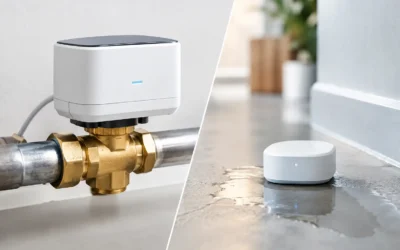
For larger portfolios, smart water monitoring adds another layer of protection. Continuous flow and pressure data can flag abnormal consumption between inspections and, where an automatic shut-off valve is appropriate, limit the volume of water released during a major failure. It does not eliminate the need for physical inspection, but it shortens the time between a fault developing and someone responding to it.
Make the inspection count
A leak inspection should produce more than a verbal opinion. Ask for a clear scope, the systems tested, methods used, findings, photographs or thermal images where relevant, and recommendations ranked by urgency. If no active leak is found, that result is still useful when it records what was tested and what should be monitored next.
LeakDtech approaches hidden water failures with non-invasive testing methods designed to locate the source accurately before disruptive repairs are authorised. That precision matters because the cheapest repair is often the one that avoids breaking the wrong wall, lifting the wrong floor or shutting down an occupied area unnecessarily.
The most cost-effective moment to inspect is before water damage becomes visible, but the second-best moment is as soon as the first warning appears. Treat abnormal consumption, dampness and pressure changes as technical evidence, not minor maintenance noise.