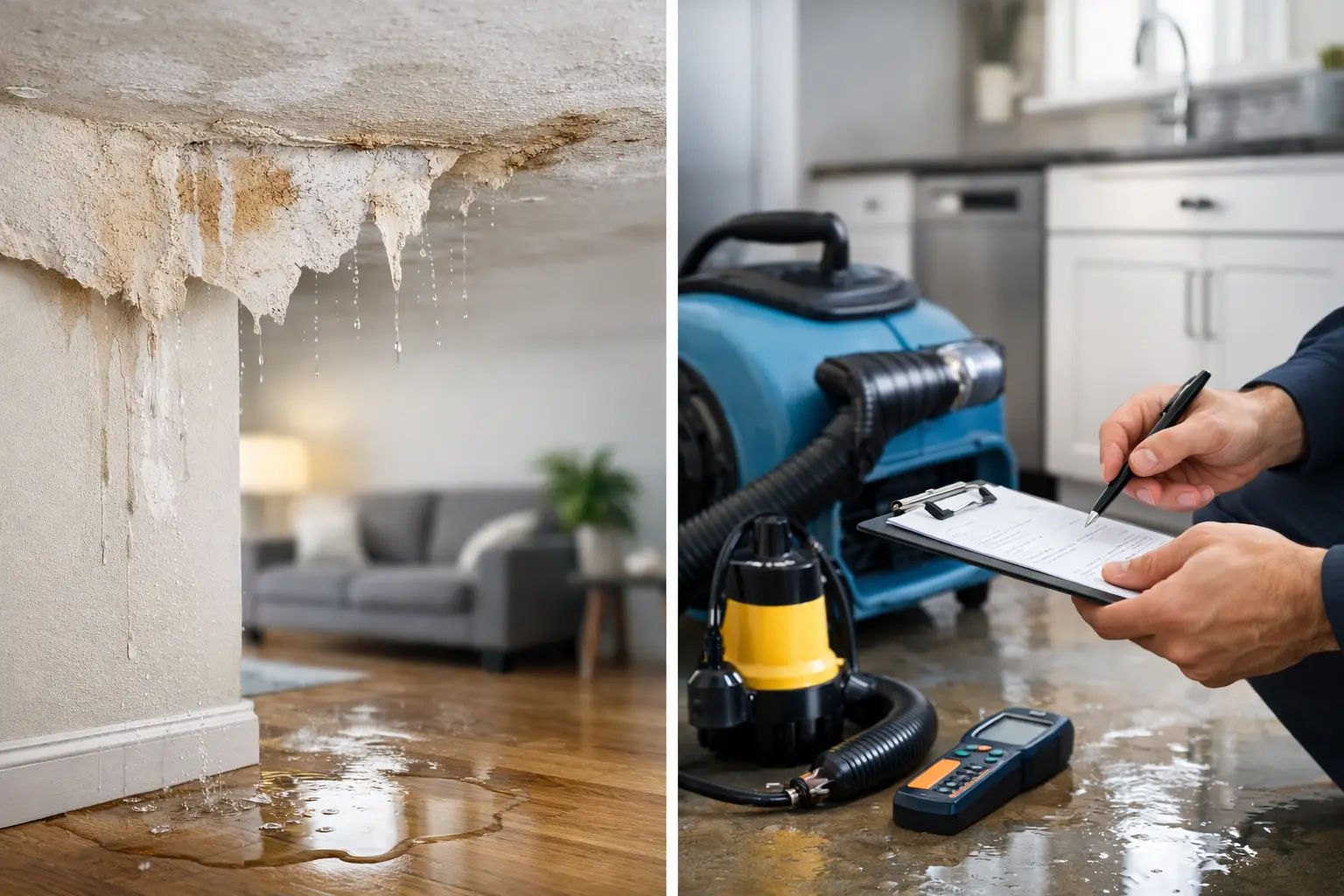
A damp patch beneath a bathroom vanity, a ceiling stain that grows after the AC runs, or an unexplained increase in a DEWA bill can be the first visible sign of water damage. By the time these symptoms appear, water may already have travelled through screed, wall cavities, insulation, ceilings or service risers. The visible mark is rarely the full problem.
For homeowners, landlords and facilities teams, the financial risk is not limited to a plumbing repair. Water can damage finishes, weaken plasterboard, corrode fittings, compromise electrical areas, trigger mould growth and disrupt occupied spaces. In hotels, hospitals, schools, retail sites and industrial facilities, a small undetected leak can also create a service interruption, safety exposure and insurance issue.
Why water damage becomes expensive so quickly
Water follows the path of least resistance, not the path that makes diagnosis convenient. A leak from a concealed pipe may emerge several metres away from its source. A failed shower waterproofing system can saturate the substrate beneath tiles before moisture reaches the ceiling below. A roof or façade defect may only admit water during wind-driven rain, making the cause difficult to reproduce.
This is why replacing visible damaged finishes before identifying the source is a costly mistake. Repainting a stain or resealing one joint may improve the appearance temporarily, but it does not confirm that the building is dry or watertight. Recurring damage often results from a repair being made at the point where water appeared rather than where it entered.
The cost also rises with time. Prolonged moisture can cause timber swelling, delamination of finishes, deterioration of gypsum boards and corrosion around embedded services. In occupied commercial properties, the repair programme may involve access restrictions, protection of stock or equipment, noise controls and after-hours work. Early diagnosis protects both the asset and the operational budget.
Early signs of water damage worth acting on
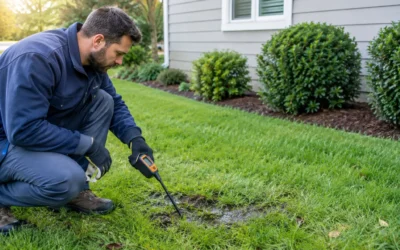
Not every leak produces a dramatic flood. Hidden failures usually announce themselves through smaller, persistent changes. Look for peeling paint, bubbling finishes, discoloured grout, a musty odour, warped skirting, loose tiles, staining around AC vents, or mould returning after cleaning. In villas, unexplained soft ground, unusually green planting zones or constantly running irrigation can point to an underground line failure.
A rising water bill is another important indicator, particularly when household use has not changed. If the water meter continues moving after all fixtures and irrigation systems are isolated, there may be a leak on the supply side. That result does not identify the precise location, but it establishes that further investigation is justified.
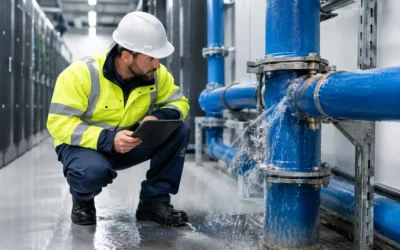
For facilities managers, pressure loss in fire lines, chilled-water systems, district cooling connections, tank levels or process lines should be treated as an asset-performance issue, not simply a maintenance nuisance. Repeated top-ups can mask a significant loss while increasing water consumption and corrosion risk.
The first response: protect people, then the property
When water is actively escaping, isolate the relevant water supply if it is safe to do so. If water is close to electrical sockets, distribution boards or equipment, keep people away and arrange a qualified electrical assessment before re-entering the area. Move portable valuables, furnishings and stock out of the affected zone where practical, but do not remove ceilings, break tiles or open walls simply to search for the leak.
Document the condition with dated photographs and note when the issue was first seen, whether it follows rainfall or system use, and which fixtures were operating. This information can support insurance discussions and gives the inspection team useful context. For managed properties, record affected rooms, access constraints and any recent works nearby, such as bathroom refurbishment, AC maintenance or external drainage alterations.
Drying is necessary, but drying without source control is not a repair. Dehumidification, air movement and removal of saturated materials may be required after the leak is stopped. The correct approach depends on the materials affected, the duration of exposure and whether there is risk of mould or contamination.
Finding the source without unnecessary demolition
A technical leak investigation should begin with evidence, not assumptions. The most suitable method depends on the pipe material, operating pressure, access conditions, whether the system can be isolated and the type of suspected failure. One tool does not solve every leak.
Thermal imaging can identify unusual temperature patterns associated with moisture, leaking hot-water lines or cooling losses. It is valuable for narrowing the search area, although it does not see through every material or prove the exact point of failure on its own. Surface temperature can also be influenced by sunlight, AC operation and building construction.
Acoustic leak detection uses sensitive sensors to listen for the sound created by pressurised water escaping from a pipe. It can be highly effective on suitable pressurised lines, but background noise, pipe depth and low-pressure systems can affect results. Pressure testing helps establish whether a contained system is losing pressure, while tracer gas testing can locate very small leaks in pipework where water-based methods are inconclusive.
For bathrooms, balconies, roofs, façades and wet areas, controlled water-tightness testing can distinguish between plumbing leaks and failed waterproofing. Drain cameras and technical inspection methods are equally important where blocked or damaged drainage is suspected. The objective is not to use the most equipment. It is to build a defensible diagnosis, identify the least disruptive repair location and document the findings clearly.
LeakDtech applies non-invasive diagnostic methods to reduce avoidable opening-up works, particularly where a property has already undergone unsuccessful repairs. This matters because precise diagnosis can turn a broad refurbishment problem into a targeted repair.
Water damage in different property environments
In a flat or villa, the source is often a domestic water line, AC condensate drain, bathroom waterproofing defect, roof penetration, pool system or irrigation line. The priority is usually protecting finishes, preventing mould and stopping further utility losses. Tenants should report symptoms promptly, while owners and landlords should avoid assuming that responsibility can be determined from the location of a stain alone. Water can migrate across units and through common building services.
In hospitality, healthcare and education settings, water damage demands a more controlled response. A repair may need to be scheduled around guests, patients, pupils or sensitive equipment. Temporary isolation, cleanliness, noise management and clear reporting are as important as the technical repair itself.
For commercial and industrial sites, the risk extends to downtime. A leak in a process line, tank, fire network or chilled-water system can affect compliance, plant performance and business continuity. Here, condition assessment, pressure testing, non-destructive testing and planned maintenance provide greater value than waiting for visible failure.
Prevention that actually reduces risk
Preventive maintenance is most effective when it targets known failure points rather than relying on occasional visual checks. Wet areas should be inspected after refurbishment and at handover. Roofs, façade joints, drainage routes, tanks, irrigation systems and pool equipment need scheduled assessment based on their age, exposure and criticality.
Smart water monitoring adds another layer of protection for properties where a leak could go unnoticed for hours or days. A monitored valve can track abnormal flow and pressure patterns, alert the owner remotely and automatically isolate supply when configured to do so. This is particularly useful for vacant villas, rental properties and sites with high out-of-hours exposure. It does not replace sound plumbing or maintenance, but it can significantly reduce the duration of a leak.
Keep records of past leaks, repair locations, pressure-test results and water consumption. Patterns matter. If a building repeatedly experiences failures in one area, the issue may be poor installation quality, material degradation, movement, inadequate waterproofing or a wider system-design problem. Treating each incident as isolated can prolong the cycle of damage and repair.
The practical decision is simple: act when the evidence is still small. A precise inspection before walls, ceilings and finishes are affected gives you more repair options, lower reinstatement costs and far less disruption to the people who use the property.