
A sudden spike in the water bill is rarely the first problem. By the time costs climb, water may already be moving through wall cavities, slab joints, plant rooms or buried pipework, quietly damaging finishes, insulation and equipment. If you need to reduce water loss in buildings, the real priority is not only consumption reduction. It is fast, accurate diagnosis before waste turns into structural damage, mould growth, tenant complaints or operational disruption.
For homeowners, that might mean a concealed bathroom leak behind tiled finishes. For a facilities manager, it could be a failing valve, a pressurised line leak or uncontrolled make-up water demand in a cooling system. In both cases, the principle is the same: water loss is usually a system failure, not just a usage issue.
Why buildings lose water without anyone noticing
Most significant water loss is hidden. Visible dripping taps and overflowing cisterns do matter, but they are often the smaller part of the problem. More expensive losses tend to come from underground supply lines, faulty toilet fill valves, leaking booster pump assemblies, cracked pipe joints, irrigation faults, expansion and contraction stress, corrosion, poor workmanship and failed waterproofing interfaces.
Commercial and industrial sites face an added challenge. Water systems are larger, more complex and often interconnected with HVAC, fire protection, process infrastructure and external networks. That makes it harder to isolate the source of loss by guesswork alone. One bad assumption can lead to unnecessary demolition, repeated repair attempts and long periods of disruption without solving the root cause.
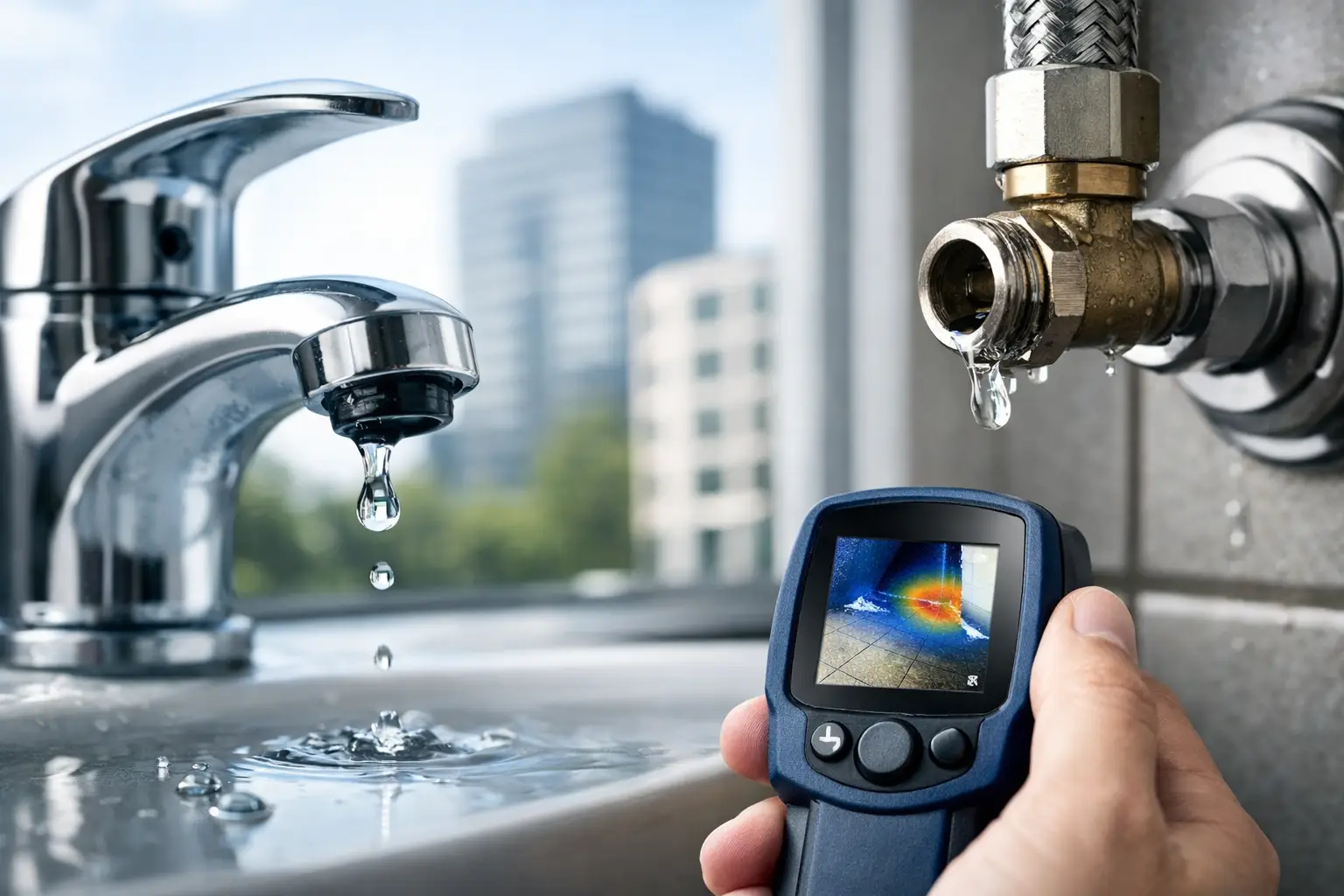
That is why reducing water loss starts with evidence. Thermal imaging, acoustic tracing, tracer gas, pressure testing and targeted inspection methods can identify where water is escaping and where it only appears to be escaping. There is a difference, and getting that wrong is expensive.
How to reduce water loss in buildings effectively
The fastest way to reduce water loss in buildings is to stop treating every leak symptom as a plumbing job. Symptoms tell you where the problem appears. Diagnostics tell you where it starts.
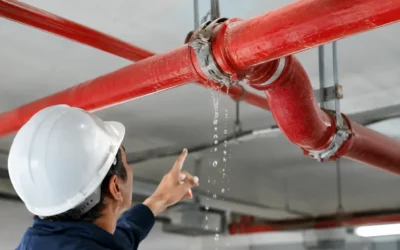
In residential properties, a high bill with no obvious leak often points to concealed supply pipe failure, a constantly running WC, irrigation wastage or intermittent leakage that only occurs under pressure. In larger buildings, the issue may sit in a riser, service corridor, buried external main, tank connection, valve chamber or mechanical plant area. If maintenance teams keep repairing wet patches instead of testing the line conditions, the water loss continues.
A practical approach starts with consumption data. Compare current usage with historic trends and occupancy patterns. If a building uses significant water overnight when demand should be low, that is a strong indicator of leakage or uncontrolled flow. From there, isolate by zone where possible. Meter readings, shut-off sequencing and pressure behaviour can narrow the search before more advanced detection methods are deployed.
This matters because not every leak justifies the same response. A small domestic leak may be resolved quickly once located. A hospital, hotel or industrial facility may need phased diagnostics to avoid shutdowns, maintain service continuity and protect critical operations. The right method depends on access, pipe material, operating pressure, background noise and the consequences of invasive work.
Non-invasive testing saves time and repair cost
Breaking floors and walls to search for a leak is still surprisingly common, especially after failed repair attempts. It is also one of the most expensive ways to confirm a problem. Non-invasive leak detection changes the economics. Instead of broad demolition, the investigation is narrowed to the actual failure point or to a very small area for access.
That has two direct benefits. First, repair costs stay under control because fewer finishes, fixtures and work areas are disturbed. Second, downtime is reduced. This is particularly important in hospitality, healthcare, education and industrial settings where closure or restricted access carries a much higher cost than the leak itself.
For difficult cases, combining methods gives better accuracy than relying on one tool alone. Acoustic sensors may identify pressurised line leakage, thermal imaging may show temperature anomalies caused by moisture migration, and tracer gas may confirm path and location where other methods are limited. The value is not in using more equipment for the sake of it. It is in choosing the correct test sequence for the building and the suspected failure mode.
Pressure, flow and metering are where savings become measurable
Many buildings lose water because the system operates under poor control. Excessive pressure can accelerate wear at joints, valves, flexible connectors and fixtures. Pressure fluctuations can turn minor weaknesses into recurring failures. Even where there is no major rupture, elevated pressure increases background loss through tiny defects that may go unnoticed for months.
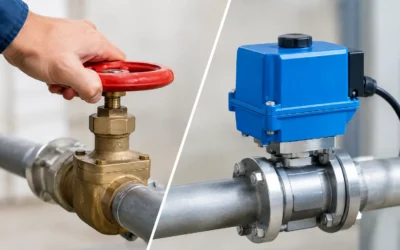
Pressure management is often overlooked because the system appears to be working. Taps run, pumps start and tenants have supply. But stable operation is not the same as efficient operation. Reviewing incoming pressure, booster settings, PRV performance and zone balancing can significantly reduce leakage risk over time.
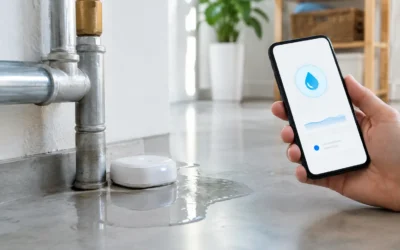
Metering is equally important. If you cannot separate total site consumption from irrigation, domestic use, cooling demand or tenant areas, you cannot see where water is being lost. Sub-metering does not fix leaks on its own, but it turns an invisible cost into something traceable and actionable. For facilities teams and community managers, that visibility improves maintenance planning and gives clearer evidence when costs rise unexpectedly.
The role of planned inspection
Reactive maintenance is expensive because water does damage while everyone is still deciding what the issue might be. Planned inspection changes that. Annual testing of tanks, pipework, waterproofing performance, drainage systems and high-risk wet areas can identify deterioration before it becomes a live leak event.
This is especially relevant in properties with a history of recurring problems or poor original installation. Repeated patch repairs often indicate that the actual defect was never properly diagnosed. In those cases, an inspection-led approach usually costs less than another cycle of cosmetic repair, call-backs and water damage reinstatement.
For industrial and petrochemical sites, the case is even stronger. Water loss may be tied to asset integrity, insulation breakdown, corrosion risk or process reliability. There, the objective is not simply lower utility spend. It is avoiding operational loss, safety concerns and unplanned maintenance windows.
Common areas where water loss hides
The most persistent losses are often found in places that are hard to inspect during normal maintenance. Buried supply lines are a frequent culprit, particularly where landscaping, vehicle loading, settlement or previous repair work has affected the line. Toilets are another major source of silent wastage, especially in buildings with many washrooms where a failed internal valve may run continuously without attracting attention.
Roofs, podium decks and wet area waterproofing can also create confusion. These failures may not increase metered water use in the same way as a live supply leak, but they still cause moisture ingress, damage and costly remedial work. Distinguishing between plumbing leakage, drainage failure and waterproofing defects is essential if you want the repair to hold.
Irrigation systems deserve close attention as well. A small underground irrigation leak can waste substantial volumes over time, particularly if the system runs on a schedule during off-peak hours when no one is present to spot oversaturation. In villas, communities, hotels and golf environments, this is a common and expensive blind spot.
Reducing water loss is part of asset protection
It is easy to treat water loss as a utility issue because the first visible impact is often the bill. But the bigger financial exposure usually sits elsewhere – damaged finishes, mould treatment, tenant disruption, reinstatement works, equipment failure, insurance claims and repeated contractor attendance. Once that wider cost is considered, accurate detection and early intervention become a straightforward commercial decision.
That is why the best results come from combining technical diagnosis with practical repair planning. Find the defect precisely, confirm the cause, limit access disruption and repair only what needs repairing. For property managers and operators responsible for multiple sites, that approach brings another advantage: documented evidence. Good reporting supports maintenance records, contractor accountability and, where needed, insurance or defect liability discussions.
LeakDtech works in exactly this space, where certainty matters more than guesswork and where clients need the source identified quickly without unnecessary damage to the property.
If you want to reduce water loss in buildings, start before the next visible stain appears. A quiet leak is still an active failure, and the cheapest day to find it is usually today.