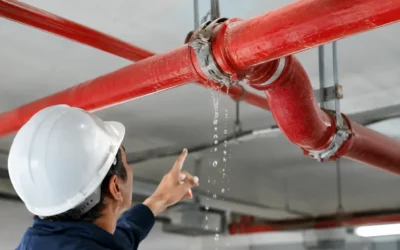
A fire line can appear reliable right up until the moment it is needed. That is the risk. The best signs of fire line failure are often subtle: a jockey pump cycling more often, a pressure gauge drifting down, damp ground beside a buried main, or unexplained water use. Treating these as routine maintenance issues can leave a property exposed to costly repairs, operational disruption and an impaired fire protection system.
For property managers, facilities teams and industrial operators, the objective is not simply to find a leak. It is to establish whether the fire water network can deliver its required pressure and flow when called upon, then repair the fault with the least possible disturbance to the site.
Best Signs of Fire Line Failure
1. The jockey pump runs too frequently
A jockey pump maintains pressure in a fire sprinkler or hydrant network. It may run occasionally to compensate for small, normal pressure changes. Frequent or extended cycling, however, is one of the clearest indicators that water is escaping from the system.
The leak may be on a sprinkler branch, hydrant line, valve assembly, underground main or connection point. A faulty check valve, pressure switch or pump control can produce similar symptoms, so the pump behaviour should be assessed alongside pressure records and physical testing. Do not assume that replacing the pump will solve a pressure-loss problem.
2. System pressure drops when the network is idle
A stable, isolated fire line should hold pressure within its expected operating range. If the gauge falls repeatedly when there is no test, activation or authorised drainage activity, the network requires investigation.
Pressure loss is not always caused by a dramatic pipe rupture. Pinholes from corrosion, failed couplings, valve-seat leakage and damage to buried pipework can all lose water slowly. Small losses can remain hidden for months while affecting pump operation and increasing water consumption.
3. Wet ground, pooling or unusually green landscaping
Buried fire mains can leak without any obvious damage inside the building. Persistent damp patches near hydrants, valve chambers, fire pump rooms or along the route of a main should be taken seriously, particularly where the ground should be dry.
In Dubai, irrigation can make this harder to diagnose. Landscaping overspray, damaged irrigation pipes and air-conditioning condensate can all create wet areas. The answer is not guesswork. Pressure testing, acoustic detection and tracer gas methods can distinguish a fire-line defect from a separate water source without excavating large sections of the site.
4. Rising water use with no operational explanation
An unexplained increase in water consumption can indicate leakage from any pressurised pipework, including a fire line. This is particularly relevant on large sites where a concealed underground loss may not be visible and water billing is reviewed only monthly.
Compare consumption against occupancy, irrigation schedules, cooling demand and known maintenance activity. If usage rises while these factors remain stable, a targeted investigation can prevent the cost of lost water from becoming the least of the problem. Ongoing leakage can undermine soil, damage finishes and increase the eventual excavation scope.
5. Fire pump performance changes during tests
A fire pump test can reveal more than pump condition. Difficulty maintaining pressure, unstable readings, unusual suction behaviour or output below the expected duty point may point to a network issue as well as a pump issue.
This does not automatically mean the underground main has failed. Closed valves, restricted strainers, incorrect test arrangements, control faults and water-supply limitations must also be considered. What matters is documenting the results, comparing them with previous tests and investigating any material change rather than accepting poor performance as normal.
6. Corrosion, staining or leaking fittings in visible areas
Visible corrosion around pipe joints, valves, hose reels, risers and pump-room connections should not be dismissed as cosmetic. Rust staining, mineral deposits, flaking coating and moisture around threaded fittings can signal a developing leak or internal deterioration.
Older steel systems are especially vulnerable where water quality, condensation, external moisture or poor coating protection has accelerated corrosion. A local repair may be appropriate where damage is isolated. Where corrosion appears across several locations, the system may require a broader condition assessment to avoid repeat failures after each repair.
7. Valve chambers are wet or difficult to operate
A valve chamber should allow safe access to an identifiable, operable valve. Standing water, silt build-up, damaged covers or seized valves create both a maintenance problem and a fire-safety risk. Water inside a chamber may come from rain or groundwater, but it can also indicate leakage from a valve, flange or buried connection.
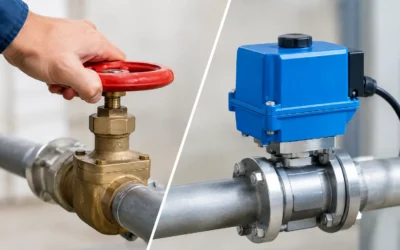
Valves that cannot be fully opened, closed or verified leave the status of the fire line uncertain. During an emergency, uncertainty is unacceptable. Chamber inspections should therefore include valve position, condition, leakage evidence and the integrity of associated pipework.
8. Repeated false alarms or supervisory alerts
Some fire protection systems generate supervisory signals when pressure falls or valve status changes. Repeated alerts that are reset without finding the cause can mask a progressive defect. The same applies to pressure alarms that occur at predictable intervals, such as overnight when site demand is low.
Alarm history is useful diagnostic evidence. Facilities teams should record the time, affected zone, pressure reading, pump activity and any nearby work. This information helps narrow the fault location and prevents contractors from repeating broad, disruptive investigations.
9. Damage follows excavation, construction or heavy vehicle movement
Fire mains are commonly affected by external works. Excavation near service corridors, new landscaping, road repairs, piling, kerb installation and heavy vehicle movement can crack, crush or pull on buried pipework and fittings.
The problem may not show immediately. A partially damaged pipe can hold pressure initially, then fail after ground movement or repeated pressure cycles. Where work has taken place near known fire-line routes, post-work inspection and testing are prudent, even if there is no visible leak. This is far less expensive than discovering the damage during a system test or emergency response.
10. Persistent repairs in the same zone
One repaired leak does not necessarily mean the problem is resolved. Repeat failures along the same run can indicate ageing pipework, poor original installation, unsuitable materials, corrosion beneath the surface or ongoing movement in the ground.
A repair-by-repair approach may appear cheaper in the short term, but it can create repeated call-outs, reinstatement costs and impairment periods. When failures recur, condition-based testing gives decision-makers the evidence to choose between a focused repair, partial replacement or planned renewal.
Why fire line failures demand a different response
A domestic water leak is inconvenient. A fire-line leak can affect life-safety infrastructure, insurance requirements, inspection outcomes and business continuity. The system may need to be isolated for testing or repair, but isolation must be planned, authorised and controlled. Fire protection should never be taken out of service casually, and temporary impairment procedures may be necessary depending on the building and its operating requirements.
The correct diagnostic method depends on the system. Acoustic sensors can help locate pressurised underground leaks by detecting the sound produced as water escapes. Thermal imaging may identify associated moisture patterns in accessible areas, while tracer gas testing is valuable where sound transmission is poor or the pipe route is uncertain. Pressure testing confirms whether a section is losing integrity, and technical inspection helps identify valve, pump and fitting defects that can mimic a pipe leak.
Non-invasive testing is valuable because indiscriminate excavation is expensive and disruptive. It can damage landscaping, paving, roads and services while still missing the actual defect. A precise investigation reduces the area opened up and gives maintenance teams a clearer repair scope.
What to do when you spot a warning sign
Start by recording the evidence: gauge readings, pump run times, water-meter changes, alarm history, wet-area photographs and recent site works. Avoid adjusting valves or silencing recurring alarms without recording the original condition. These details are often what allows a technician to separate a genuine line leak from a control, pump or irrigation issue.
Then arrange a targeted assessment by a competent fire-line and leak-detection specialist. The priority is to verify system condition, locate the source accurately and recommend a repair plan that protects both the building and its operational requirements. LeakDtech applies non-destructive detection methods to help clients investigate difficult water losses while limiting unnecessary demolition and downtime.
A fire line is an asset that is expected to perform under the worst possible conditions. Acting on the first abnormal pressure trend or pump pattern gives you more options, lower repair costs and a far better chance of resolving the fault before it becomes a critical impairment.