by Aaron Taylor | Aug 31, 2026 | Leak Detection Technology, Residential Leak Detection
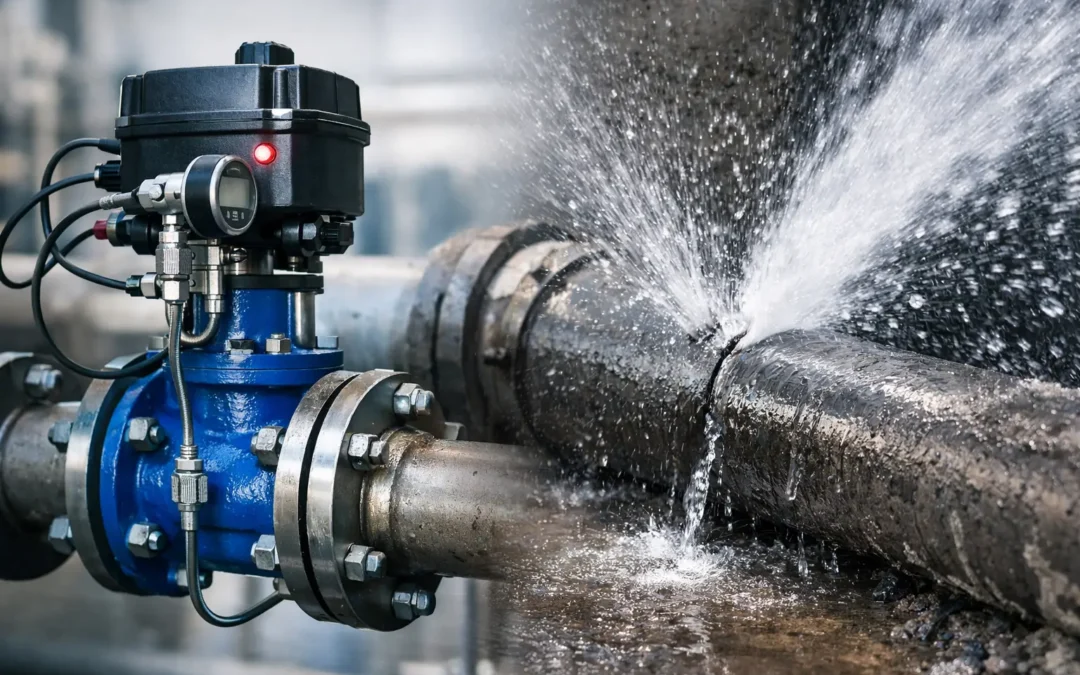
A burst pipe can release hundreds of litres before anyone sees water on a ceiling, through a wall, or across a plant room floor. So, can valves detect pipe bursts? Some can detect the flow and pressure changes associated with a burst, then close the water supply...
by Aaron Taylor | Aug 27, 2026 | Landscape & Outdoor Leak Prevention, Residential Leak Detection
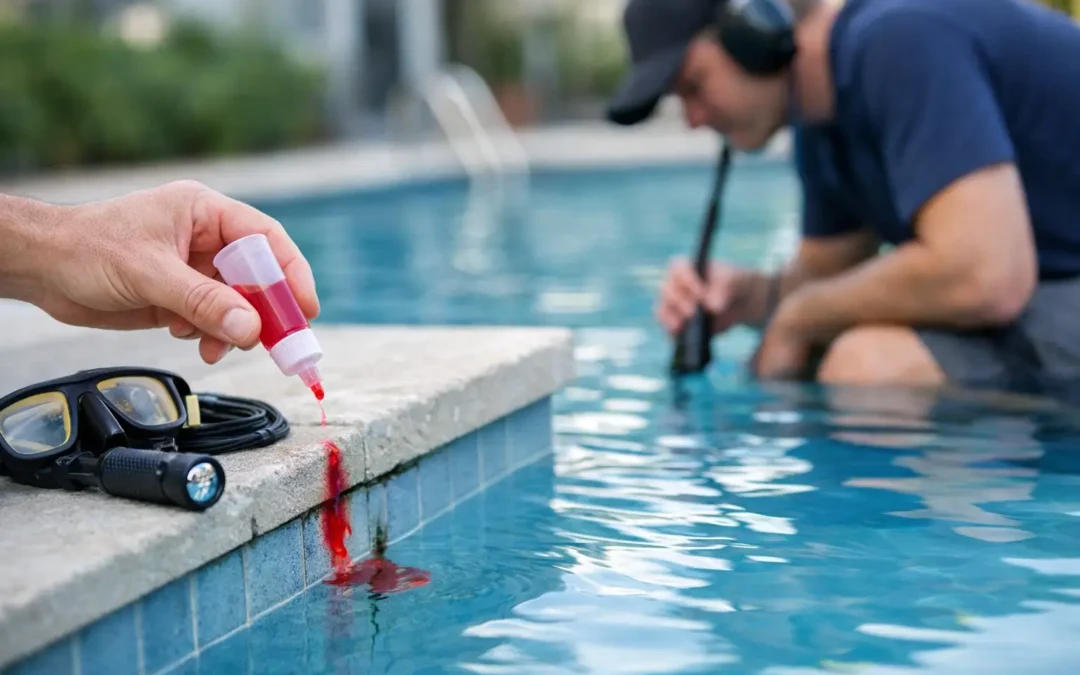
A pool that needs regular topping up is not automatically leaking. In Dubai, heat, wind and long pump run-times can remove a surprising amount of water. But when the water level falls faster than expected, chemicals need constant rebalancing, or damp patches appear...
by Aaron Taylor | Aug 21, 2026 | Leak Detection Technology, Residential Leak Detection
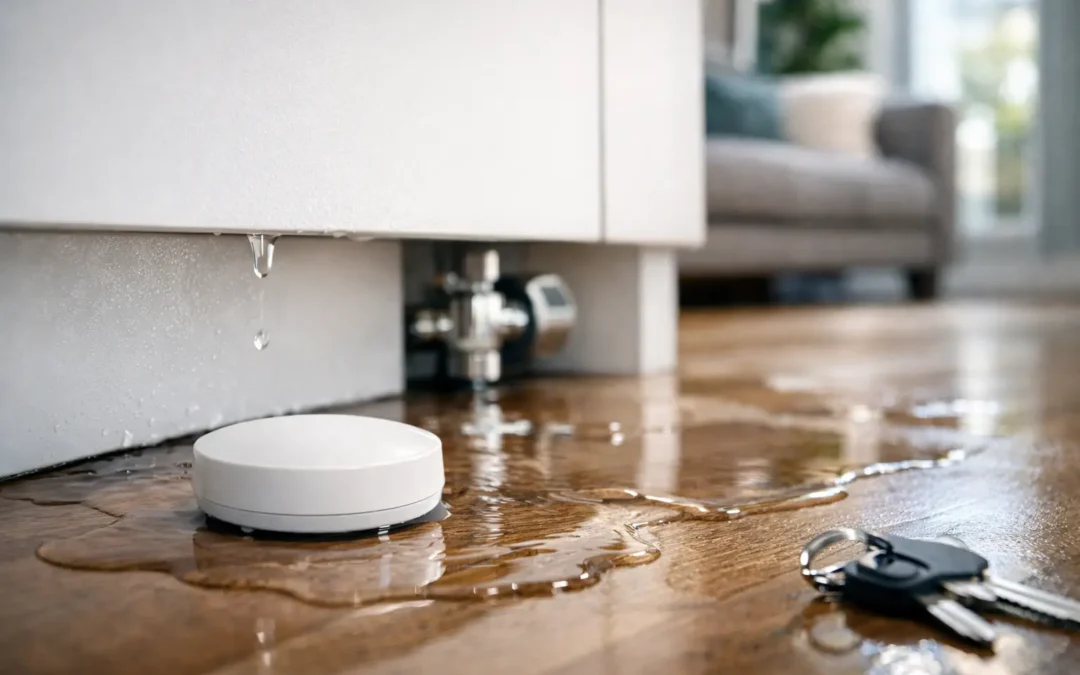
A washing-machine hose fails at 2am. Water runs beneath the utility cabinet, crosses the floor finish and reaches the flat below before anyone wakes up. Apartment leak sensors can turn that costly, disruptive event into an early alert, but only when they are correctly...
by Aaron Taylor | Aug 17, 2026 | Cost & Savings Insights, Residential Leak Detection
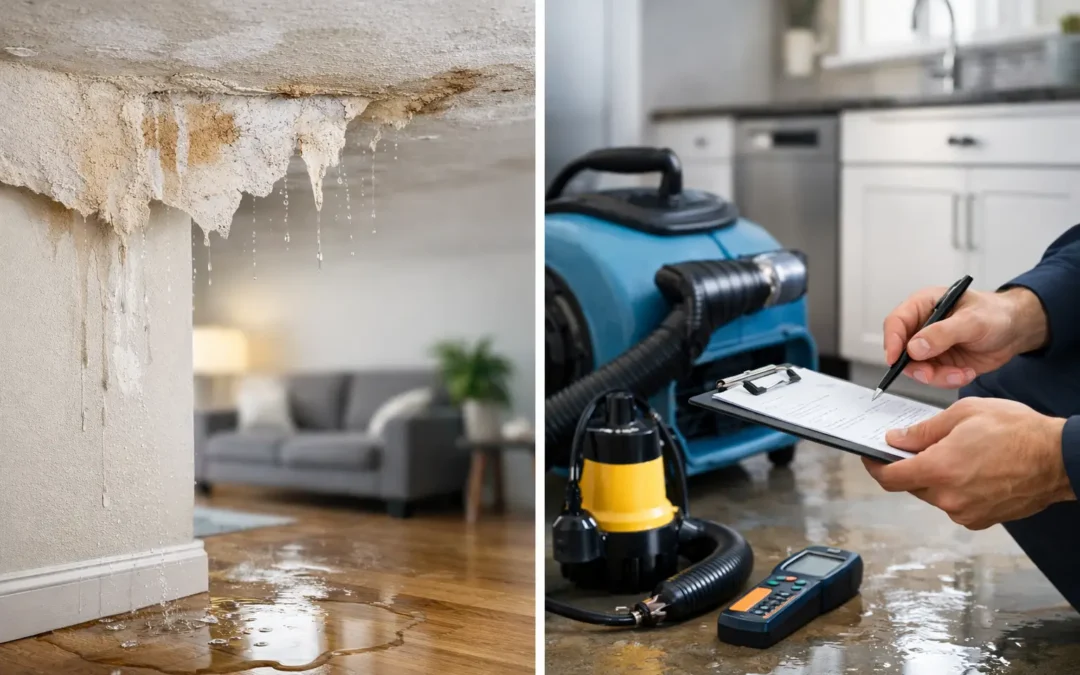
A damp patch beneath a bathroom vanity, a ceiling stain that grows after the AC runs, or an unexplained increase in a DEWA bill can be the first visible sign of water damage. By the time these symptoms appear, water may already have travelled through screed, wall...
by Aaron Taylor | Aug 13, 2026 | Landscape & Outdoor Leak Prevention, Residential Leak Detection
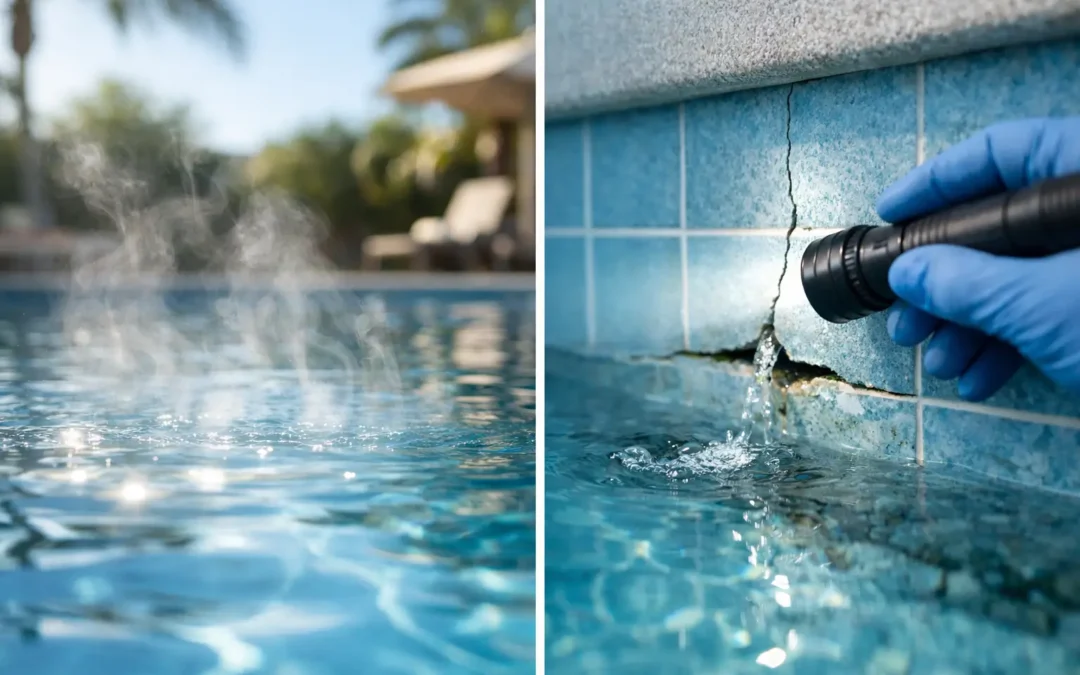
A pool that needs topping up every few days is not simply inconvenient. It can signal a leak beneath the deck, behind the tiles, in the pipework or within the filtration equipment. In Dubai, where heat and wind accelerate evaporation, genuine pool water loss is often...

by Aaron Taylor | Aug 11, 2026 | Residential Leak Detection, Seasonal Leak Topics
A single period of intense rain can expose years of overlooked maintenance. The storm resilience trends Dubai property teams are now adopting are not about reacting faster after water enters. They are about identifying the weak points that turn surface water, blocked...