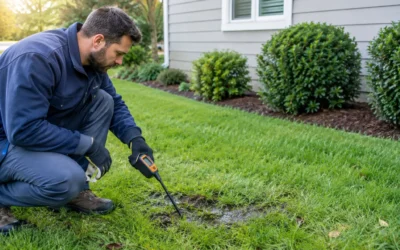

A water bill rises without explanation. A ceiling stain returns after every repair. A hotel plant room loses pressure overnight, yet no visible pipe is leaking. These are not routine maintenance issues to solve through guesswork. Property diagnostics specialists are called in when the source of a failure is uncertain, the cost of disruption is high, or repeated repairs have failed to address the real cause.
The value is not simply finding water. It is establishing where it is coming from, how it is travelling through the building or network, what assets are affected, and what repair will stop the loss without creating unnecessary damage. For homeowners, that can mean avoiding the cost and mess of opening floors and walls. For facilities teams and industrial operators, it can mean preventing a shutdown, protecting compliance records and keeping critical systems operational.
What property diagnostics specialists actually do
A specialist diagnostic service sits between a general maintenance visit and a major repair project. The work starts with evidence: water consumption patterns, pressure loss, moisture readings, visible defects, system history and previous repair records. From there, the inspection method is selected to suit the material, pipe depth, accessibility and operational risk.
No single piece of equipment can identify every leak. Thermal imaging can reveal abnormal temperature patterns associated with moisture or concealed pipework. Acoustic equipment can detect the sound created by pressurised water escaping from a line. Tracer gas testing is particularly useful where a pipe is concealed beneath finishes, while controlled pressure testing confirms whether a section of a system is holding pressure as it should.
The distinction matters. A damp patch may sit metres away from the actual leak point because water follows slabs, screed layers, conduits and gravity. Replacing tiles where staining appears can be expensive and ineffective if the investigation has not traced the water path back to its origin.
The signs that justify a specialist inspection
Not every plumbing issue needs advanced diagnostics. A clearly visible leaking valve or failed tap fitting is usually a straightforward repair. The case for specialist testing becomes stronger when the symptoms are persistent, concealed or financially significant.
A high DEWA bill is one of the clearest warning signs in Dubai villas, flats and managed communities. If usage has changed little but consumption is rising, a hidden leak in an irrigation line, toilet supply, buried pipe or pool system may be responsible. A meter test can provide an early indication, but it does not identify the location or the affected line.
Recurring mould, peeling paint, bubbling finishes and musty odours also deserve proper investigation. These conditions can be caused by condensation, poor ventilation, waterproofing failure, drainage defects or a pressurised water leak. Treating the mould without resolving the moisture source only postpones the problem and can allow deterioration behind finishes to continue.
For commercial properties, unexplained pressure drops in chilled water, fire lines, domestic supply or irrigation networks require a more urgent response. Water loss can affect equipment performance, create health and safety concerns and increase the chance of a costly failure during peak operating hours. In hospitals, schools, hotels, retail centres and large residential developments, the diagnostic approach must also respect occupied spaces and minimise disruption.
Why non-invasive testing protects the repair budget
Opening walls and floors may eventually be necessary, but demolition should follow a diagnosis, not replace one. Random exploratory work often creates a second problem: reinstatement costs. A small hidden leak can become a large refurbishment bill once marble, tiles, waterproofing membranes, joinery or specialist finishes are removed unnecessarily.
Non-invasive methods reduce the search area before repairs begin. This gives owners, insurers and facilities managers a clearer scope of work, a better basis for contractor quotations and a more defensible record of what was found. It also helps prevent the familiar cycle of repair, repaint, recurrence and further repair.
There are limits. Dense insulation, deeply buried pipework, complex multi-line networks and very small intermittent leaks can require a combination of tests rather than one quick scan. An accurate specialist will explain this clearly. A thermal image alone is not proof of a leak, and an acoustic reading can be affected by background noise, pipe material and system pressure. The strongest diagnosis comes from correlating several findings.
Diagnostics for different types of property
Residential investigations often focus on concealed hot and cold water lines, bathroom waterproofing, roof leaks, underground irrigation pipes, swimming pool systems and drainage concerns. The priority is normally fast confirmation with the least possible disturbance to daily life. A clear report is valuable where a landlord, tenant, insurer or developer needs to understand responsibility for the repair.
In managed communities and commercial buildings, the scope is wider. Shared risers, plant rooms, booster pumps, chilled water circuits and external networks can make a local symptom part of a larger system failure. Diagnostics should establish whether the issue is isolated, identify the affected zone and support a repair plan that avoids disrupting tenants or trading activity.
Industrial and petrochemical environments need a more controlled process. Pipework integrity, tanks, process lines and containment areas may involve high pressures, safety procedures and strict access requirements. Non-destructive testing and documented inspection methods support maintenance planning without treating operational continuity as an afterthought. Here, the cost of a wrong diagnosis is not limited to water damage. It can include lost production, safety exposure and unplanned shutdowns.
What a good diagnostic report should give you
A verbal explanation on site is useful, but it is not enough for a complex property or a high-value claim. A professional report should record the reported issue, inspection areas, test methods, findings, images or readings where relevant, the likely source and practical repair recommendations.
It should also be precise about uncertainty. If testing confirms a leak but access restrictions prevent exact pinpointing, the report should state the smallest justified repair zone rather than overstate certainty. If no active leak is detected, that result still has value when it narrows the cause towards waterproofing, drainage, condensation or intermittent system behaviour.
For facilities managers, reports create continuity. They help maintenance teams compare future readings, brief contractors accurately and demonstrate that the fault was investigated methodically. For owners, they turn a vague concern into a decision that can be priced, approved and completed.
Choosing the right response before damage spreads
Speed matters, but speed without method can waste money. Before appointing a contractor, consider whether the issue needs a repair technician, a specialist diagnostic inspection or both. If the fault is visible and obvious, repair may be the first step. If the source is hidden, recurring or affecting a critical system, diagnose first and repair with evidence.
Ask what methods will be used and why they suit your property. Confirm whether the team can work around occupied areas, whether findings will be documented, and whether the proposed testing is non-invasive wherever practical. Be cautious of anyone promising a precise result before assessing the system. Good diagnostics are evidence-led, not based on assumptions.
LeakDtech approaches hidden water failures as property performance issues, not just plumbing call-outs. That means selecting the appropriate testing method, limiting unnecessary opening works and providing the technical clarity needed to make the right repair decision.
A concealed leak rarely becomes cheaper by waiting for more visible damage. When the evidence is unclear, a focused inspection can protect the building, control the repair scope and give you a practical path forward before water loss turns into a larger asset problem.