

One month your water bill looks normal. The next, it has jumped hard enough to make you check the meter twice. If you are asking what causes a high water bill suddenly, the answer is usually not random usage. In most cases, there is a hidden fault, a metering issue, or a change in consumption that has gone unnoticed long enough to become expensive.
The key point is simple: a sudden increase usually means water is flowing somewhere when it should not be. That could be inside a wall, under a floor slab, in an irrigation line, within a cistern, or across a larger site network where losses are harder to spot. The faster the source is identified, the less you spend on waste, damage, repair work, and disruption.
What causes a high water bill suddenly in most properties?
In residential properties, the most common cause is a concealed leak. People tend to look first at taps, showers, or visible pipework, but the serious losses are often hidden. A small pressurised leak behind a wall or below flooring can run continuously for days or weeks before there is any staining, odour, or visible damage.
Toilets are another major culprit. A faulty fill valve or worn internal seal can allow water to keep running into the pan without creating an obvious flood. Because the water goes straight to waste, many occupiers do not notice it until the bill arrives. The same applies to underground garden or irrigation lines. If a valve is stuck open or a buried pipe has cracked, water can disappear directly into the soil.
In larger buildings, the causes can be more complex. Boosted water systems, storage tanks, chilled water make-up lines, fire network leaks, plant room faults, and failed isolation valves can all contribute to unexplained consumption. In commercial and industrial settings, a sudden spike may also follow maintenance errors, control failures, or pressure changes in the network.
The hidden leaks that cost the most
Not all leaks behave the same way. Some are dramatic and easy to spot. Others are technically minor at first but expensive because they run continuously and remain undetected.
A pinhole leak on a pressurised line can waste a surprising volume over a month. If it is under screed or concrete, the water may migrate away from the source, which makes visual diagnosis unreliable. You might notice warm patches on the floor, peeling paint, mould, a drop in pressure, or no visible sign at all.
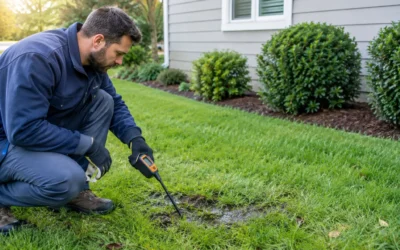
Underground leaks are especially costly because they rarely announce themselves clearly. In sandy ground or landscaped areas, water can disperse without creating a puddle. On villas, compounds, hotels, schools, and retail sites, irrigation pipe failures are a frequent reason for bill escalation. The problem is not only the wasted water. Saturated ground can undermine paving, damage finishes, and create ongoing maintenance issues.
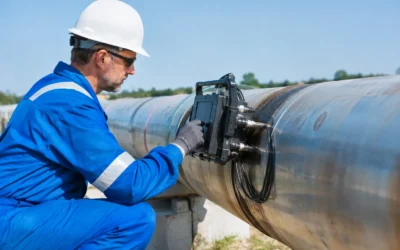
This is where non-destructive leak detection matters. Rather than breaking tiles or excavating blindly, technical methods such as acoustic tracing, thermal imaging, pressure testing, and tracer gas can narrow the failure point quickly and reduce unnecessary repair costs.
Fixture faults that look harmless but waste water constantly
Some of the most expensive water losses come from fittings people stop noticing. A dripping tap is usually not the main reason for a major spike, but a faulty toilet mechanism often is. If the cistern keeps refilling or the flush valve does not seat properly, the system can waste water all day and night.
Ball valves in tanks can also stick or fail. When that happens, tanks may overflow intermittently, especially during low-occupancy periods when nobody is around to hear it. In blocks, malls, hospitality sites, and facilities with multiple washrooms, several small fixture failures can combine into a large monthly increase.
Appliances matter too. Washing machines, dishwashers, water heaters, filtration systems, and softeners can all leak slowly. A split hose behind a machine may not flood the room immediately. Instead, it can feed hidden moisture into cabinetry, wall bases, or service voids while the meter keeps turning.
When the bill is not caused by a leak alone
If you are investigating what causes a high water bill suddenly, it is worth remembering that not every spike comes from a pipe failure. Occupancy changes are an obvious example. Guests staying over, school holidays, a newly occupied flat, or increased operational hours in a commercial building can push usage up legitimately.
Seasonal demand also plays a role. Irrigation use tends to rise in hotter periods, and cooling-related systems may consume more water under higher load. Pools can require topping up after evaporation, backwashing, or maintenance. In hotels, staff accommodation, sports facilities, and landscaped developments, these changes can be significant.
That said, genuine usage increases are normally explainable. If the rise is sharp and no one can identify a clear operational reason, assume there is a fault until proven otherwise. Waiting for the next billing cycle usually makes the eventual cost worse.
Could the meter or billing be wrong?
Yes, but it is less common than customers hope. Meter reading errors, estimated billing, account changes, or tariff adjustments can all create confusion. A faulty meter is possible, though in practice hidden leakage is a far more frequent cause of sudden increases.
The practical step is to compare current and previous bills, then carry out a simple meter observation test. Turn off all known water outlets and check whether the meter is still moving. If it is, water is likely being drawn somewhere on the system. For larger sites, this gets more technical because separate zones, tanks, and automatic systems may still be operating in the background, so isolation testing is often required.
Warning signs that support a leak diagnosis
A high bill on its own is already enough reason to investigate, but other symptoms often appear alongside it. You may notice unexplained damp patches, mould growth, low pressure, pump cycling, warm floor areas, stained ceilings, cracked paint, or water collecting near external valves and chambers.
In commercial and industrial environments, the signs may be less visible but just as serious. Unexpected make-up water demand, pressure decay, repeated pump starts, tank level instability, or wet utility corridors can all indicate losses within the network. Where operations depend on continuity, delay can turn a billing problem into asset damage or downtime.
What to do when your water bill spikes
Start by checking whether the increase could be explained by recent occupancy, irrigation, pool maintenance, or operational change. If not, inspect obvious fixtures such as toilets, taps, tanks, and appliance connections. Then observe the meter with all known outlets shut off.
If the meter continues to register flow, the next step is proper diagnostic testing. This matters because guessing is expensive. Random breaking, patch repairs in the wrong location, or replacing visible fittings without evidence often leaves the real leak active. For concealed or network-level faults, structured testing is faster and more cost-effective than trial-and-error repairs.
An engineering-led leak detection process usually starts with system review, meter and pressure analysis, and targeted inspection of high-risk areas. From there, the right technology is selected based on the property type and suspected leak path. A domestic slab leak does not behave the same way as a fire line issue, tank failure, or irrigation network loss. The method has to fit the system.
Why acting quickly saves more than the water charge
The direct cost of wasted water is only part of the problem. Hidden leaks can damage finishes, weaken substrates, trigger mould growth, affect electrical areas, and accelerate corrosion. In managed communities and commercial properties, they can also create tenant complaints, insurance complications, and expensive remedial works.
For facilities teams and operators, there is another cost: disruption. The longer a leak remains unresolved, the more likely it becomes that access works, shutdowns, reinstatement, and secondary repairs will be needed. Fast diagnosis protects both the asset and the schedule.
This is why specialist leak detection is not just a maintenance expense. It is a cost-control measure. A precise diagnosis limits demolition, shortens repair time, and reduces the chance of repeating the same problem. That is particularly important where previous contractors have already attempted repairs without fixing the root cause.
If your bill has risen sharply and the reason is not immediately obvious, treat it as a fault until testing proves otherwise. A sudden spike is usually your earliest warning that water is escaping somewhere out of sight, and early action is almost always the cheaper outcome.