
A single intense downpour can expose years of hidden defects in a villa. Water finds the unsealed cable penetration, the blocked roof outlet, the poorly flashed parapet and the low door threshold long before it appears as a stain on the ceiling. Effective villa storm safeguards are therefore not about reacting with mops after water enters. They are about controlling where rainwater goes, stopping it at vulnerable openings and detecting failures before they become a refurbishment project.
For villa owners and property managers in Dubai, heavy rainfall can place unusual pressure on roofs, drainage systems and external openings that may see little attention during dry months. Wind-driven rain, surface-water runoff and overloaded community drainage can all create entry routes that routine maintenance misses. The cost is rarely limited to visible water damage. Damp insulation, mould, corroded electrical components, damaged finishes and a rising DEWA bill can follow.
Where storms breach a villa
Most storm damage starts at predictable weak points. Flat roofs and terraces are especially exposed when outlets are blocked by sand, leaves or construction debris. Water ponds, tests membrane joints and can enter through failed flashings around pipes, AC supports and roof upstands. A roof may look sound from ground level while allowing water beneath the waterproofing layer.
Doors, sliding doors and garage openings are another common point of failure. Rainwater does not need to rise dramatically to enter a property. If external paving directs runoff towards an opening, or the threshold has deteriorated seals, water can travel underneath doors and into flooring, skirting and adjacent walls. Wind pressure makes the problem worse by forcing water through narrow gaps.
External walls and windows deserve equal attention. Hairline cracks, open sealant joints and failed window gaskets can admit rain slowly. The resulting leak may emerge several metres away from its true source, leading to unnecessary patch repairs in the wrong area. Water can also enter service penetrations for pipes, electrical conduits, satellite cables and AC lines, then track through cavities before becoming visible indoors.
Villa storm safeguards start outside
The most reliable protection is built around water management, not wishful thinking. Rain must have a clear route away from the building, and each drainage component must cope when rainfall is at its heaviest.
Before the storm season, inspect roof outlets, terrace drains, gutters, downpipes and surface channels. Remove debris rather than simply pushing it further into the drain. Check that grates are secure, pipe connections are intact and water discharges away from foundations, boundary walls and entrance doors. If water regularly gathers in one external area after washing or rainfall, it is already signalling a grading or drainage issue.
Pay particular attention to landscaped areas and irrigation. Oversaturated soil beside walls can increase moisture loads on external finishes and foundations. Irrigation should be correctly scheduled, maintained and isolated when it is not needed. A leaking irrigation line can be mistaken for rain ingress, while a storm-related leak can be wrongly blamed on irrigation. Establishing the source accurately avoids spending money on the wrong repair.
At doors and low-level openings, deployable flood barriers can provide a practical additional line of defence. Reusable, tool-free barriers such as Dam Easy Flood Barriers are designed to be fitted quickly across doors and openings before water reaches the threshold. They are highly useful for known low points, garage entrances and properties affected by localised runoff.
A barrier is not a substitute for drainage or waterproofing. It works best when the opening is structurally sound and surrounding water is controlled. Owners should also confirm the correct width, sealing condition and storage location well before rain is forecast. A barrier left in a store room behind a flooded garage is no protection at all.
Protect the water system, not only the building envelope
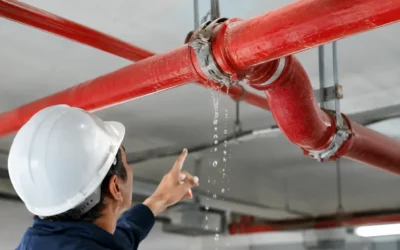
Storm preparation often focuses on rain entering the villa, yet internal water failures can create similar or greater damage. A pressure surge, failed flexible hose, ageing isolation valve or concealed pipe leak can turn an unoccupied property into a major claim within hours. After a storm, changes in ground conditions and power interruptions may also reveal existing weaknesses in pumps, tanks and pipework.
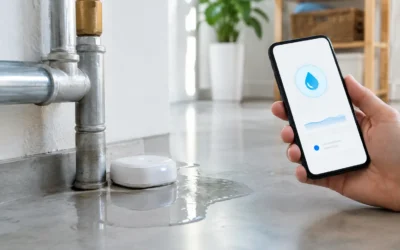
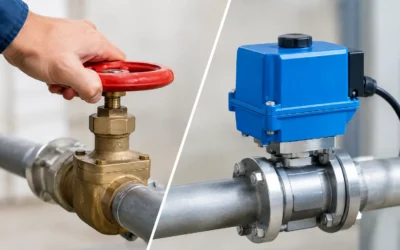
Smart shut-off technology provides a useful safeguard for villas that are vacant, rented out or managed remotely. An AI-powered system such as AquaSentra monitors water flow and pressure continuously, identifies unusual patterns and can automatically shut off the supply when it detects a likely leak. Remote alerts mean the owner or manager can respond while damage is still limited.
The right setting depends on the property. A family villa with regular occupancy may need tailored thresholds to avoid alerts caused by normal high demand. A holiday home or empty rental property may favour more conservative automatic shut-off settings. The key is commissioning the system properly, testing the valve and ensuring household members know how to restore supply safely after an event.
When visible signs are misleading
The visible location of water is not necessarily the source. A damp ceiling beneath a roof terrace may indicate a membrane failure, a leaking drainage pipe, failed grout, a plumbing leak or condensation around an AC line. Applying silicone to the nearest crack may temporarily hide the symptom while water continues travelling through the structure.
This is where non-invasive diagnosis protects both the property and the budget. Thermal imaging can identify abnormal moisture patterns, while acoustic testing, pressure tests and tracer gas methods help locate concealed water losses without opening walls or lifting floors unnecessarily. A technical inspection should distinguish between active ingress, residual moisture and a historical stain before repair works begin.
For recurrent or high-value issues, documentation matters. Photographs, moisture readings, test results and a defined repair scope give owners, facilities teams and insurers a clearer basis for decisions. They also help confirm whether a contractor has repaired the cause rather than only the visible damage.
A practical pre-storm inspection plan
A villa does not need a disruptive overhaul before every period of heavy rain. It does need disciplined checks at the areas most likely to fail. A focused inspection should cover:
- Roofs, terraces, drains, gutters and downpipes for blockages, ponding or damaged waterproofing details.
- Door thresholds, garage openings, windows and external sealant joints for gaps, deterioration and water paths towards the building.
- Surface drainage, paving falls and landscaped areas for standing water or runoff directed at walls and entrances.
- Water tanks, pumps, isolation valves, flexible hoses and visible pipework for pressure loss, corrosion or active leakage.
- Electrical areas near known water-entry points, including outdoor sockets, plant rooms and ceiling voids where safe access is available.
The timing matters. Inspect before the forecast changes, not when rain is already falling. After a major storm, repeat the checks once surfaces are safe. Look for new staining, swollen timber, bubbling paint, unusual odours, tripped circuits and unexplained water consumption. These are early warnings, not cosmetic issues to postpone.
Decide what needs immediate action
Not every defect requires urgent capital work. Minor surface cracking in a sheltered decorative finish may be monitored, while a failed roof outlet, water entering an electrical area or active leakage through a ceiling needs immediate attention. The decision should be based on the route of water, the materials affected and the consequences if the issue continues during the next rainfall event.
For older villas, a planned programme is often more cost-effective than repeated emergency call-outs. Start with testing and evidence, then prioritise drainage correction, waterproofing repairs, sealing, pipe repairs or monitoring according to risk. This approach reduces unnecessary demolition and prevents the familiar cycle of repainting damaged areas without resolving the underlying failure.
A well-protected villa is not one that never faces heavy rain. It is one where water has controlled routes, vulnerable openings have practical protection, and any hidden fault is identified quickly enough to prevent a small storm event becoming a costly property loss.