
A chilled water network maintenance guide is not simply a checklist for pumps, valves and strainers. It is a control plan for one of a building’s most expensive operational risks: hidden water loss, declining cooling capacity and unplanned shutdowns. In hotels, hospitals, malls, towers and industrial facilities, a small defect in a concealed branch line can become a major refurbishment cost long before it becomes visible.
The objective is straightforward: keep the system hydraulically stable, chemically protected and continuously monitored. The right maintenance approach reduces energy waste, protects finishes and equipment, and gives facilities teams evidence to act before occupants, tenants or operations are affected.
Start with an accurate picture of the network
Maintenance fails when the network on paper does not match the network in service. Before setting inspection frequencies, verify the current drawings, pipe routes, isolation zones, valve locations, equipment schedules and meter positions. This is particularly important after fit-outs, extensions, tenant alterations or plant room upgrades.
Create a working asset register that identifies pipe material, age, insulation type, nominal pressure, normal operating pressure and the areas served by each branch. Include known repairs and recurring fault locations. A repeated leak near the same riser is rarely just bad luck. It may point to pipe movement, poor support spacing, insulation failure, poor-quality jointing or aggressive water chemistry.
For district cooling-connected buildings in Dubai, clear demarcation between the provider’s infrastructure and the building-side network is essential. It avoids delay when abnormal consumption, pressure loss or performance issues appear.
Establish a baseline before a fault occurs
A chilled water system cannot be managed by temperature alone. Record operating readings during normal load conditions, then review them against design intent and seasonal demand. The key is to identify gradual drift, not merely respond when a high-temperature alarm is raised.
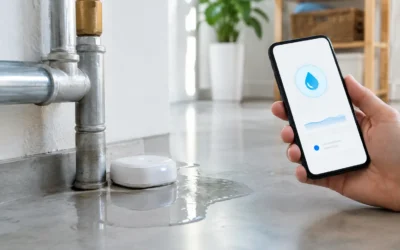
At minimum, trend supply and return temperatures, differential pressure, pump speed, make-up water volume, static pressure, flow where metering is available, and energy consumption. The relationship between these values matters. Increasing make-up water combined with stable visible plant-room conditions can indicate a concealed leak. Falling differential pressure may suggest a leak, bypassing valve, pump issue or air ingress. A widening temperature differential can be positive or negative depending on flow and load, so it must be assessed in context.
Set practical alarm thresholds based on the building’s known normal performance, not generic figures copied from another site. A hospital with critical cooling requirements needs tighter escalation criteria than an intermittently occupied office floor.
Inspect the points where failures begin
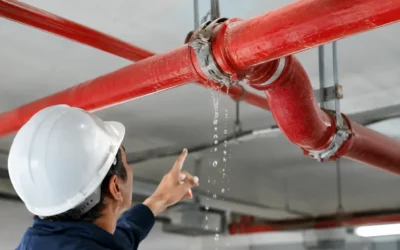
Most chilled water leaks do not begin in the middle of a sound pipe run. They commonly develop at joints, flexible connectors, valve stems, flange gaskets, air vents, drain points, corrosion-damaged sections and locations affected by vibration or movement. Concealed pipes create additional risk because a fault can track through insulation, screed or ceiling voids before staining appears.
A planned inspection should cover accessible plant rooms, valve chambers, risers, ceiling voids and service corridors. Look for wet or damaged insulation, corrosion deposits, condensation that does not match surrounding pipework, mineral staining, mould, unexplained odours and deteriorating supports. Inspect condensate separately. Condensation faults and chilled water leaks can look similar initially, but their causes and repair methods are different.
Thermal imaging can help identify abnormal surface temperatures and wet insulation, particularly where access is restricted. It is a useful screening tool, not a standalone verdict. A cold area may result from normal heat transfer, failed insulation or active leakage. Confirming the cause requires pressure data, moisture investigation and, when necessary, acoustic or tracer gas testing.
Keep water chemistry under control
Water treatment is a mechanical protection measure, not an administrative task. Poor chemistry encourages corrosion, scale, biological activity and sludge formation. These issues restrict heat transfer, foul strainers, damage pump seals and create pinhole leaks in vulnerable pipework.
Your treatment provider should test the closed-loop water at a frequency suited to system size, age and history. Results should be reviewed by the facilities team rather than filed without action. Pay close attention to inhibitor levels, pH, conductivity, iron content, microbiological indicators and evidence of oxygen ingress.
Unexpected oxygen ingress deserves urgent investigation. Closed chilled water networks should not require frequent make-up water. If make-up volume rises, adding more chemical treatment alone does not solve the problem. It may conceal a leak while corrosion continues elsewhere in the system.
Cleaning and flushing may be necessary where analysis shows sludge or corrosion products. However, aggressive cleaning carries risk in older networks. It can expose weakened pipe walls or disturb deposits that were masking existing pinholes. The cleaning method, chemical selection and post-cleaning passivation should be planned against the actual pipe condition.
Maintain flow, pressure and equipment performance
Hydraulic problems often present as comfort complaints first: warm zones, uneven cooling, noisy valves or fan coil units that cycle unpredictably. The underlying cause may be poor balancing, a blocked strainer, failed actuator, degraded pump performance or a differential pressure control issue.
Review pump duty against actual demand. Variable-speed pumps running continuously at high speed can indicate poor control settings, incorrect sensor placement, bypassing circuits or an undersized section of pipework. Equally, reducing pump speed to save energy without checking remote differential pressure can starve critical circuits.
Strainers need routine inspection, especially after repairs, flushing or periods of construction activity. Repeated debris accumulation should be investigated rather than accepted as normal. It can indicate internal corrosion, failing insulation, poor water quality or debris left in the system after works.
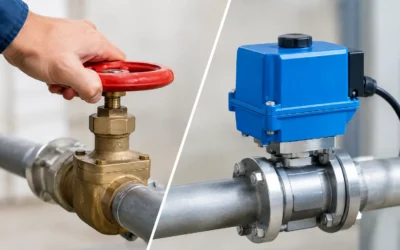
Valve exercise is equally important. Isolation valves that have not moved for years can fail when needed most, turning a small repair into a wider shutdown. Test actuators, verify valve positions against the building management system and label every isolation point clearly.
Use leak detection methods that fit the fault
There is no single test that finds every chilled water leak. The best method depends on pipe material, depth, access, system pressure, insulation and the urgency of the suspected failure.
Pressure testing can confirm whether a section is losing integrity, but it does not always identify the exact leak location. Acoustic testing can detect leak noise in pressurised lines, though results may be affected by pipe depth, insulation, ambient plant noise and low leak flow. Thermal imaging is valuable for tracing moisture patterns and temperature anomalies. Tracer gas testing is often effective for concealed pipework where the system can be isolated and safely prepared.
For high-value areas, non-destructive investigation is the commercial choice. Opening ceilings or breaking finishes based on guesswork creates avoidable reinstatement costs and disruption. LeakDtech uses targeted diagnostic methods to narrow the fault location before intrusive repair work begins, helping facilities teams protect occupied spaces and shorten repair cycles.
Set a maintenance rhythm that reflects risk
A fixed annual visit is rarely enough for a critical chilled water network. Inspection frequency should reflect occupancy, age, failure history, water quality, accessibility and the consequence of downtime.
A practical regime includes continuous review of BMS alarms and make-up water trends; monthly checks of plant rooms, pumps, strainers and visible valves; quarterly water analysis and control verification; and a more detailed annual condition review covering insulation, supports, balancing, valve operation and suspected weak points. Sites with recurring leaks, older pipework or mission-critical cooling may need more frequent testing and documented condition assessments.
After any leak repair, do not close the job once pressure is restored. Verify the repair under operating conditions, confirm that make-up water returns to baseline, inspect nearby components and update drawings and maintenance records. A repair that succeeds locally can still reveal a wider corrosion or installation problem.
Know when to escalate
Certain signs warrant immediate technical investigation: unexplained pressure loss, a sudden rise in make-up water, wet insulation, repeated comfort complaints in one zone, corrosion deposits around joints, persistent pump alarms or water damage with no visible source. Delaying diagnosis increases the chance of ceiling collapse, electrical exposure, mould growth, tenant disruption and equipment damage.
The most cost-effective maintenance decision is often the earliest one. Treat changes in pressure, flow and water consumption as evidence, not background noise. A chilled water network that is measured, tested and repaired with precision will protect cooling performance while keeping disruption and refurbishment costs under control.