A flooded entrance is rarely caused by a dramatic wall of water. More often, it starts with water building up against a low threshold, flowing under a door, and spreading into finishes, electrical points and occupied areas. This reusable flood barrier review assesses whether these systems offer meaningful protection for homes, villas and managed properties, and where their limits begin.
Reusable barriers are an appealing alternative to sandbags. They are cleaner, faster to deploy and can be stored for repeated use. But the product is only as effective as the opening it protects, the water pressure it faces and the readiness of the person installing it. Buying a barrier without checking these conditions can create false confidence at precisely the wrong time.
What a reusable flood barrier is designed to do
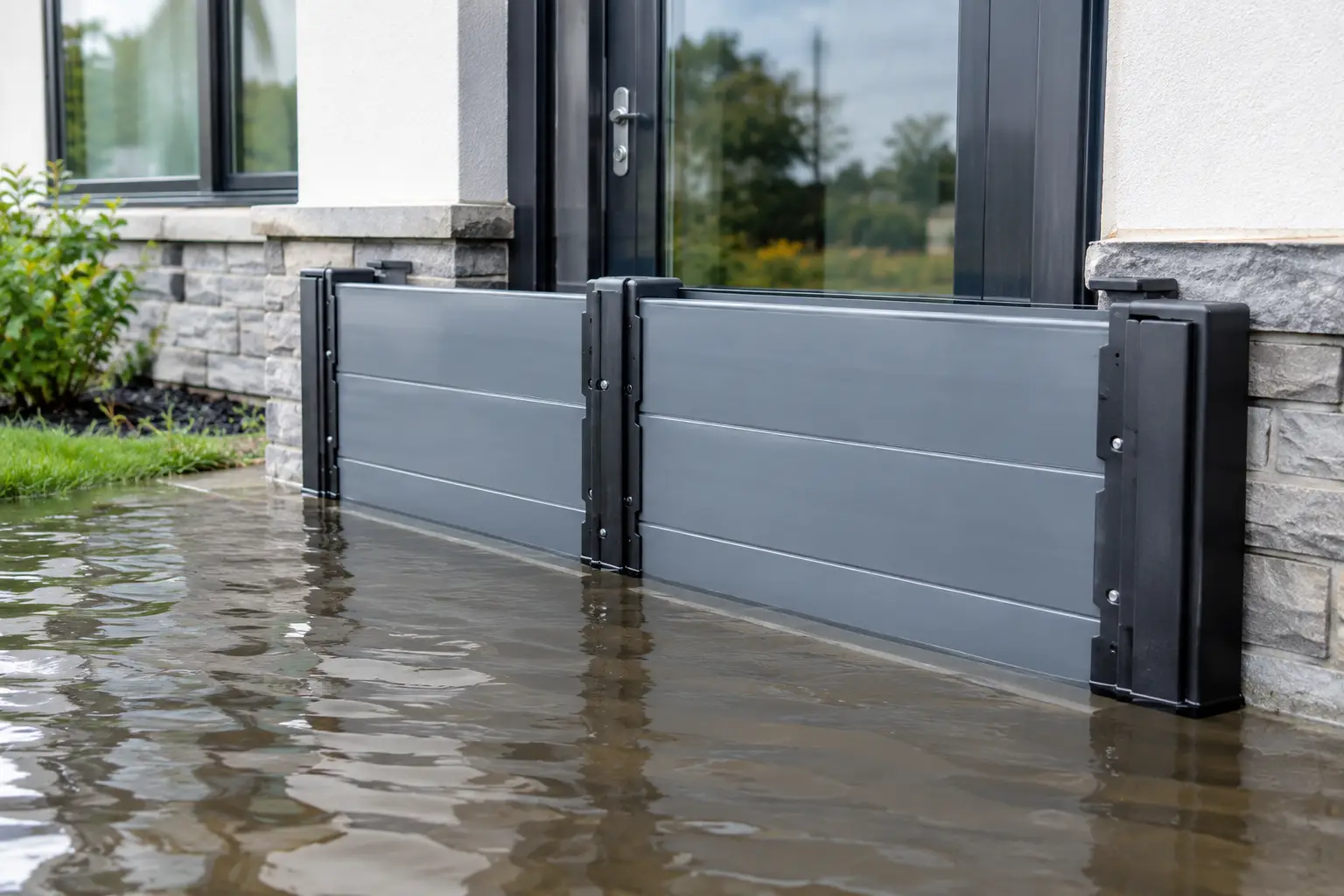
A reusable flood barrier creates a temporary seal across a door, garage entrance, patio opening or similar low-level access point. Most domestic systems use an interlocking panel or compression-based design. The barrier sits against side channels or the opening itself, while seals at the base and edges reduce water ingress.
The strongest benefit is speed. Tool-free systems such as Dam Easy Flood Barriers can be deployed in under five minutes when the opening has been measured correctly and the components are stored nearby. That matters when a storm drain is overwhelmed, surface water is rising across a driveway or a nearby landscape area is directing runoff towards a building.
Unlike sandbags, a reusable barrier does not need filling, lifting in large quantities or disposing of after every event. It also avoids wet sand, contaminated bags and the clean-up burden that follows even a minor flood. For property managers responsible for several entrances, this can reduce emergency response time and simplify preparedness procedures.
However, a flood barrier is not a complete flood defence system. It protects a defined opening. Water can still enter through adjacent windows, wall penetrations, air vents, floor drains, service ducts, damaged seals or poor external drainage. It must be treated as one layer of property protection, not the entire plan.
Reusable flood barrier review: where the value is strongest
Reusable barriers make the most commercial sense where a property has a known, repeatable ingress route. A ground-floor door that takes water during heavy rain, a villa garage with a low threshold, or a retail rear entrance exposed to car park runoff are typical examples. In these cases, the barrier is protecting a specific weak point rather than being asked to solve an unknown problem.
They are also valuable where response time matters. A homeowner may be away when weather conditions change, while a facilities team may need to protect multiple access points quickly without bringing in a large emergency crew. A barrier that can be fitted correctly by trained on-site staff is far more practical than a solution requiring specialist installation during a storm.
For Dubai properties, the case is often linked to short, intense rainfall rather than long periods of river flooding. Sudden surface-water accumulation can expose weaknesses in driveway levels, drainage falls, threshold detailing and exterior drainage capacity. A reusable barrier can keep water out long enough for drains to clear or for pumping and maintenance teams to respond.
The financial logic is straightforward. Replacing swollen doors, skirting, flooring, joinery and electrical accessories after one water event can cost far more than protecting the opening in the first place. In commercial premises, the larger cost may be interrupted trading, tenant complaints, access restrictions and accelerated refurbishment works.
The conditions that decide whether it will work
The first requirement is an accurate opening measurement. Barrier systems are not one-size-fits-all products. Width, threshold depth, side-wall condition and the available fixing or compression surfaces all affect the seal. Even a small gap at an uneven floor or damaged jamb can become a direct route for water under pressure.
The second requirement is a sound substrate. The sides of the opening need to be stable, reasonably smooth and free of loose render, badly cracked finishes or obstructions. A barrier cannot compensate for a warped door frame, a broken threshold or heavily deteriorated masonry. Where the surface is poor, remedial work may be needed before relying on any temporary defence.
Water depth matters just as much. Every barrier has a stated maximum protection height. It should never be used beyond that limit, and the likely water level should be judged conservatively. Water standing at 100 mm against a door behaves very differently from fast-moving runoff or a deeper accumulation creating sustained pressure on seals and panels.
Finally, installation discipline matters. The barrier needs clean contact surfaces, correctly seated seals and an unobstructed threshold. Leaves, gravel, silicone debris or a curled seal can compromise performance. This is not complicated work, but it is work that should be practised before a weather event, not learned while water is already entering the property.
Barriers do not fix drainage failures
A common mistake is to install a flood barrier and ignore the reason water is collecting at the entrance. If drains are blocked, gullies are undersized, paving falls towards the building or downpipes discharge too close to the façade, the same risk will continue at every storm.
In this situation, the barrier buys time rather than resolving the underlying defect. That can still be worthwhile, particularly where immediate civil works are not possible. But a proper inspection should identify why water is concentrating at the opening. Clearing drains, correcting falls, improving collection points or repairing defective waterproofing may provide a more permanent reduction in risk.
Practical trade-offs before buying
Reusable barriers are generally cleaner and more convenient than sandbags, but they require upfront planning. They need secure storage, known deployment locations and responsible staff or occupants. A barrier kept in a remote store room or behind stacked materials is effectively unavailable during an emergency.
There is also a balance between portability and capacity. Smaller systems are easier to handle and store, but they protect a narrower opening or lower water depth. Larger barriers may be appropriate for garage doors, service entrances and loading areas, but they need more space, clearer operating procedures and potentially two people for safe installation.
Appearance may matter in residential and hospitality settings. A well-fitted barrier is usually more presentable than piled sandbags, yet channels or mounting points can still affect the visual finish around an entrance. This should be considered at the selection stage, especially on premium façades and frequently used doors.
Do not overlook access and egress. A barrier installed across the only exit from an occupied area may create a safety issue. For commercial buildings, barrier locations should sit within the wider emergency plan, with clear alternative routes and defined responsibility for deployment and removal.
A sensible assessment process for property owners
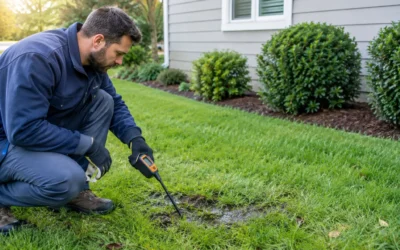
Before selecting a reusable barrier, inspect the location after rain or carry out a controlled review of the drainage route. Identify where water starts, how it travels and which points it can use to enter the building. Photographs, water marks and tenant reports are useful evidence, but they should be matched with technical checks of levels, drains and building junctions.
Then assess the opening itself. Measure it accurately, inspect the threshold and side surfaces, and confirm the anticipated water depth. If the property has already experienced ingress, do not assume the door is the only route. Moisture may be entering through wall cracks, failed sealant joints, drains or concealed service penetrations.
For managed assets, document the process. Record the barrier location, fitting instructions, inspection frequency and named personnel responsible for deployment. A system that is inspected annually and practised before the wet season is significantly more dependable than one left untouched in storage.
LeakDtech approaches water damage prevention from the same principle used in leak diagnostics: find the true path of water before spending money on the wrong remedy. Where flooding or repeated ingress has no obvious cause, a technical inspection can distinguish a simple threshold issue from a drainage, waterproofing or building-envelope failure.
A reusable flood barrier is a practical investment when it protects a verified weak point, fits the opening correctly and forms part of a wider drainage and maintenance strategy. The best time to test that strategy is on a dry day, when there is still time to correct the details that storm water will expose.