
A green landscape can hide a costly failure. When irrigation lines leak below paving, turf or planting beds, water may never reach the surface in an obvious way. Instead, it is lost into the ground while bills rise, pumps run longer and surrounding structures face unnecessary moisture exposure. To stop irrigation leaks properly, the first priority is not replacing random sections of pipe. It is identifying the precise point, cause and extent of the failure.
For villa owners, community managers, golf facilities and commercial sites in Dubai, irrigation leakage is more than wasted water. It can undermine pavers, saturate root zones, damage finishes, create mould risk near buildings and place extra demand on pumps and control equipment. A targeted diagnosis prevents a small underground fault becoming a disruptive landscape or civil repair project.
Why irrigation leaks are often missed
Irrigation systems operate in sections, usually controlled by valves, timers and zones. A leak may appear only when one particular zone is running, then disappear when pressure drops. It may also occur on a lateral line hidden below compacted soil, a drip line covered by mulch, a valve connection inside a buried box or a main line running beneath hard landscaping.
This makes visual inspection useful but incomplete. Wet ground is not always proof of a pipe leak. Overwatering, poor drainage, a broken sprinkler head or runoff from another area can produce the same symptom. Conversely, a significant pressurised leak can drain deep into sandy soil without creating a puddle.
The most common warning signs are a sudden increase in water consumption, low pressure in one irrigation zone, pooling around valve boxes, patches of unusually vigorous or dying grass, persistent dampness near paving and irrigation pumps that cycle more often than expected. None of these signs, on their own, confirms the exact fault location.
Stop irrigation leaks by finding the right failure first
An effective investigation starts by separating the system into testable sections. This establishes whether water loss is occurring on the main supply, within a specific valve-controlled zone, at the pump set, or through emitters and fittings above ground. Pressure testing is central to this process because a pressure drop can confirm a contained leak even when there is no visible water.
Once the affected section is isolated, the detection method should match the pipe material, depth, site conditions and operating pressure. There is no single tool that works perfectly in every landscape. Professional diagnosis is based on evidence, not assumptions.
Acoustic detection for pressurised pipework
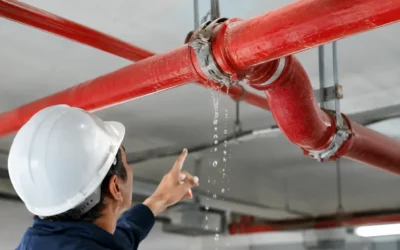
A pressurised leak produces vibration as water escapes from the pipe. Acoustic sensors can detect and compare this sound through access points, valve boxes and surface contact locations. The method is particularly useful where pipe runs are known and the system can be held under stable pressure.
Noise from pumps, traffic, air-conditioning equipment or active water features can complicate readings. In those situations, testing may need to take place during quieter periods or after certain equipment is isolated. Accurate acoustic work requires an experienced operator who can distinguish leak noise from normal site activity.
Thermal imaging and moisture assessment
Thermal imaging can identify temperature differences associated with moisture beneath surfaces or in planting areas. It is often valuable for assessing dampness patterns around buildings, irrigation manifolds and hard landscaping, particularly when combined with other tests.
However, thermal imaging does not see through the ground and declare a pipe break. Sun exposure, shade, soil type and recent irrigation cycles all affect the result. It should be used to narrow the search area and support a technical diagnosis, rather than as a stand-alone answer.
Tracer gas for difficult concealed leaks
Where a line is isolated and conventional methods cannot provide a reliable location, tracer gas testing may be appropriate. A safe tracer gas is introduced into the emptied pipework, then specialist equipment detects where it rises through soil, joints or surface finishes.
This method can be highly effective for concealed lines below paving or landscaped areas, but preparation matters. The pipe must be properly isolated, and the test should be planned around the layout and material of the system. It is a precision technique, not a shortcut.
Repair the cause, not only the visible break
After locating a leak, repair quality determines whether the problem returns. A split pipe may have been caused by poor installation, excessive pressure, movement in the ground, UV-damaged exposed fittings, root intrusion or a failed joint. Replacing the damaged section without addressing the cause can lead to another call-out in a few weeks.
For example, repeated failures at fittings may indicate pressure surges or incompatible pipe and connector materials. Several wet zones along one route may point to a deeper issue with pipe quality or installation depth. A sprinkler head that keeps breaking may be incorrectly positioned near vehicle access or landscaping equipment.
The repair should include a post-repair pressure test before trenches are backfilled or paving is reinstated. This confirms that the repaired section holds pressure and that no nearby secondary fault has been overlooked. For managed properties, a clear report showing the tested zone, detected location, repair action and final test result provides useful maintenance evidence.
Protect landscapes, structures and operating costs
An irrigation leak can cause damage well beyond the water line itself. Saturated soil loses stability, which can affect paving, kerbs and decorative stone. Water moving towards a building can place unnecessary strain on waterproofing systems, particularly around external walls, planters and service penetrations.
Overwatering also harms landscaping. Plant roots need oxygen as well as moisture, and constantly saturated zones can encourage fungal disease, shallow root growth and uneven turf performance. In a commercial setting, this creates recurring landscaping costs while presenting an avoidable poor impression for visitors and tenants.
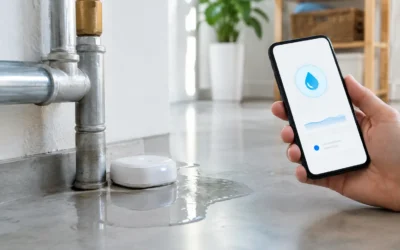
There is also an operational cost. A leak reduces effective pressure at sprinkler heads and drip emitters, leading teams to increase run times in an attempt to compensate. That wastes more water and may conceal the original fault for longer. Monitoring water use by irrigation zone, rather than only reviewing a single monthly bill, makes abnormal consumption easier to investigate quickly.
A practical inspection routine that prevents repeat leaks
Routine inspections should focus on performance as well as appearance. Run each zone and check whether heads rise fully, spray patterns overlap correctly and valve boxes remain dry. Review controllers for unusually long run times, inspect visible drip lines for damage and look for settlement around paved areas near irrigation routes.
At least seasonally, test pressure and inspect filters, regulators, pumps and backflow components. Properties with extensive grounds, ageing pipework or frequent landscaping changes may benefit from a more formal planned maintenance schedule. Construction works, tree planting and paving alterations should also trigger an irrigation inspection, as these activities regularly damage buried services.
For sites with persistent high bills or recurring damp areas, avoid the expensive cycle of digging, repairing and hoping. Non-invasive leak detection can reduce excavation to the confirmed fault area, protecting mature landscaping and avoiding unnecessary reinstatement costs. LeakDtech applies pressure testing, acoustic methods, thermal assessment and tracer gas testing where appropriate to establish the evidence before repairs begin.
The best time to investigate irrigation water loss is when the first unexplained sign appears, not after a landscape section has failed or a utility bill becomes impossible to ignore. A precise diagnosis keeps repairs smaller, protects the property around the pipework and puts water back where it belongs.