

A vacant villa, flat, office or warehouse can develop a costly problem long before anyone sees a puddle. A pinhole pipe leak, failed float valve or air-conditioning condensate overflow may run for weeks behind a locked door. Knowing how to monitor vacant properties is therefore less about occasional checks and more about creating a controlled system that spots changes early, protects services and gives somebody authority to act.
For property owners and facilities teams, the objective is simple: prevent a minor failure becoming a refurbishment claim, a high water bill or an operational delay when the property is needed again.
Start with a vacant-property risk assessment
No two empty properties carry the same risk. A furnished villa left empty through summer faces different threats from an unoccupied retail unit, a school wing or an industrial plant area awaiting handover. Begin by recording what remains live: incoming water, irrigation, boosted water pumps, hot-water systems, air conditioning, drainage, fire protection, electrical supply, access control and any tanks or process lines.
Water systems deserve priority. Water damage spreads through finishes, ceilings and adjoining units, while hidden leaks can continue without generating an obvious alarm. In Dubai, high temperatures also make air-conditioning performance and humidity control a practical concern. A switched-off property may save energy, but without a considered shutdown it can create stagnant water, excessive heat, mould growth or equipment deterioration.
Classify each system as one of three options: leave live and monitor, isolate safely, or drain and protect. The correct choice depends on the property, its use and insurer requirements. Never isolate or alter fire-life-safety systems without approval from the responsible facilities manager and relevant specialist contractor.
Document the baseline before vacancy begins. Photograph water meters, pressure gauges, ceilings, wet areas, plant rooms, tanks and external pipework. Record meter readings, water pressure where appropriate, humidity, temperatures and the condition of seals, drains and roofs. These records make later changes easier to identify and provide evidence if a claim or contractor dispute arises.
How to monitor vacant properties with a clear schedule
A monitoring plan only works when responsibilities are defined. “Check the property regularly” is too vague. Set the visit frequency, inspection route, reporting format and escalation contacts before keys are handed over.
For a typical residential property, a physical inspection every one to two weeks may be appropriate, supported by remote water monitoring. Higher-risk sites such as hotels, schools, buildings with ageing plumbing, vacant fit-outs or facilities with active mechanical systems may require more frequent checks. After heavy rainfall, a major temperature change, power interruption or nearby construction activity, arrange an additional inspection.
Each visit should follow the same route. Start outside by checking boundary walls, roof drainage, irrigation areas, tanks, visible pipework and signs of unauthorised entry. Inside, inspect ceilings, skirting, cupboards below sinks, bathrooms, kitchens, risers, plant rooms and all areas below wet services. Look for staining, swollen joinery, peeling paint, unusual odours, condensation and changes in flooring – not just standing water.
Check the water meter at the beginning and end of the inspection when no authorised water use should be taking place. A moving meter can indicate a concealed leak, although irrigation cycles, tank filling and connected systems must be accounted for. Record readings rather than relying on memory. A small, consistent increase is often more revealing than one dramatic event.
The inspection report should state what was checked, what was found, meter data, photographs, corrective action and the person responsible for closure. This creates accountability across owners, managing agents, security teams and maintenance contractors.
Use remote alerts to close the gap between visits
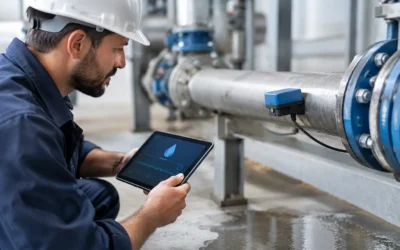
Physical inspections remain essential, but they cannot see what happens at 2am on a weekend. Smart water monitoring closes that gap by tracking flow and pressure continuously. When unusual flow is detected, the system can alert the nominated contact and, where suitable, close the water supply automatically.
A smart shut-off valve is particularly useful for empty villas, landlord-owned units and properties between tenants. It reduces the duration of a leak rather than merely reporting it after damage has spread. However, it should be correctly installed and configured around legitimate demand. Irrigation, pool top-ups, water-treatment equipment and automated flushing can all produce expected flow that needs to be recognised in the monitoring settings.
Place leak sensors where water is most likely to escape unnoticed: beneath sinks, behind washing machines, near water heaters, inside plant rooms, around pumps, below tanks and close to air-conditioning drain trays. For larger sites, integrate water alarms with the building management system where possible, so alerts reach the right facilities contact rather than an unattended inbox.
Remote cameras, door contacts and power-loss alerts also have value, but they are not substitutes for technical inspection. A camera may show that a corridor looks dry while moisture is accumulating above a suspended ceiling. Use technology to trigger faster action, then verify the cause on site.
Control humidity, drainage and building services
Water entering from supply pipes is only one route to damage. Empty properties commonly suffer from blocked drains, failed condensate lines, roof leaks and humidity-related mould. Keep air-conditioning settings appropriate for the building and season, particularly in enclosed spaces with soft furnishings, timber finishes or sensitive equipment. If air conditioning is intentionally shut down, assess whether dehumidification or periodic ventilation is needed instead.
Run a controlled check of drains and sanitary fittings during inspections where the plumbing remains active. Confirm that traps have not dried out, as this can allow unpleasant odours and pests into the property. Check that floor drains are clear and that external gullies are not blocked by debris.
Irrigation needs particular attention in vacant villas and landscaped commercial sites. A damaged irrigation line can waste significant water underground without leaving visible signs at the surface. Review controller schedules, isolate unnecessary zones and investigate unexplained meter consumption. Pool systems also need a defined maintenance regime; leaving a pool unattended can lead to pump damage, water-quality issues and leakage that is difficult to quantify.
Know when a change needs specialist diagnosis
Not every anomaly is a straightforward plumbing repair. Repeated staining, unexplained consumption, falling system pressure, damp walls or moisture below finished floors may indicate a hidden failure. Cutting open walls based on guesswork can add cost and disruption without solving the source.
Use non-invasive testing when evidence points to a concealed leak. Acoustic detection can help locate pressurised water leaks, thermal imaging can identify abnormal temperature patterns associated with moisture, and tracer gas or pressure testing can confirm difficult underground or concealed pipe failures. The best method depends on the pipe material, access, system condition and the nature of the suspected leak.
For commercial, industrial and petrochemical environments, monitoring must extend beyond domestic-style meter checks. Critical lines, tanks, valves and containment areas may require scheduled integrity inspections, documented test results and escalation that protects safety and continuity. A missed leak can affect stock, production, compliance and adjacent infrastructure, not simply finishes and furnishings.
Build an escalation plan before there is an emergency
An alert is only useful if someone can respond. Establish who receives alarms, who holds access keys, who can authorise isolation, and which contractor attends if the primary contact cannot. Give the response team access to utility shut-off locations, drawings where available, site restrictions and the latest inspection records.
Set practical response levels. A minor humidity increase may warrant a same-day inspection, while continuous water flow in an empty property should trigger immediate investigation and, where safe, automatic or manual isolation. If there is evidence of active water damage, document the area before repairs begin, stop the source, protect electrical risks and arrange professional drying where required.
Insurance conditions should be reviewed before a property is left empty. Some policies set limits on vacancy periods or require documented inspections and working security measures. Requirements vary, so confirm the detail with the insurer rather than assuming standard cover applies.
LeakDtech supports vacant-property monitoring with targeted inspections and non-destructive diagnostics when consumption, pressure or moisture readings indicate a hidden problem. The value is not simply finding water. It is locating the source accurately enough to limit opening-up work and return the property to a controlled condition quickly.
A vacant property should never be treated as an inactive asset. With a defined inspection routine, live data from water controls and a response plan that people can actually follow, owners can detect failure early and protect both the building and the budget behind it.