A water stain beneath a ceiling, a sudden rise in a DEWA bill, or a persistent musty smell is rarely a minor inconvenience. Each can be the first visible sign of water travelling through concealed pipework, wall cavities, floor finishes or structural elements. This guide to water damage prevention focuses on the practical controls that protect homes, managed communities and commercial assets before a small failure becomes a costly repair project.
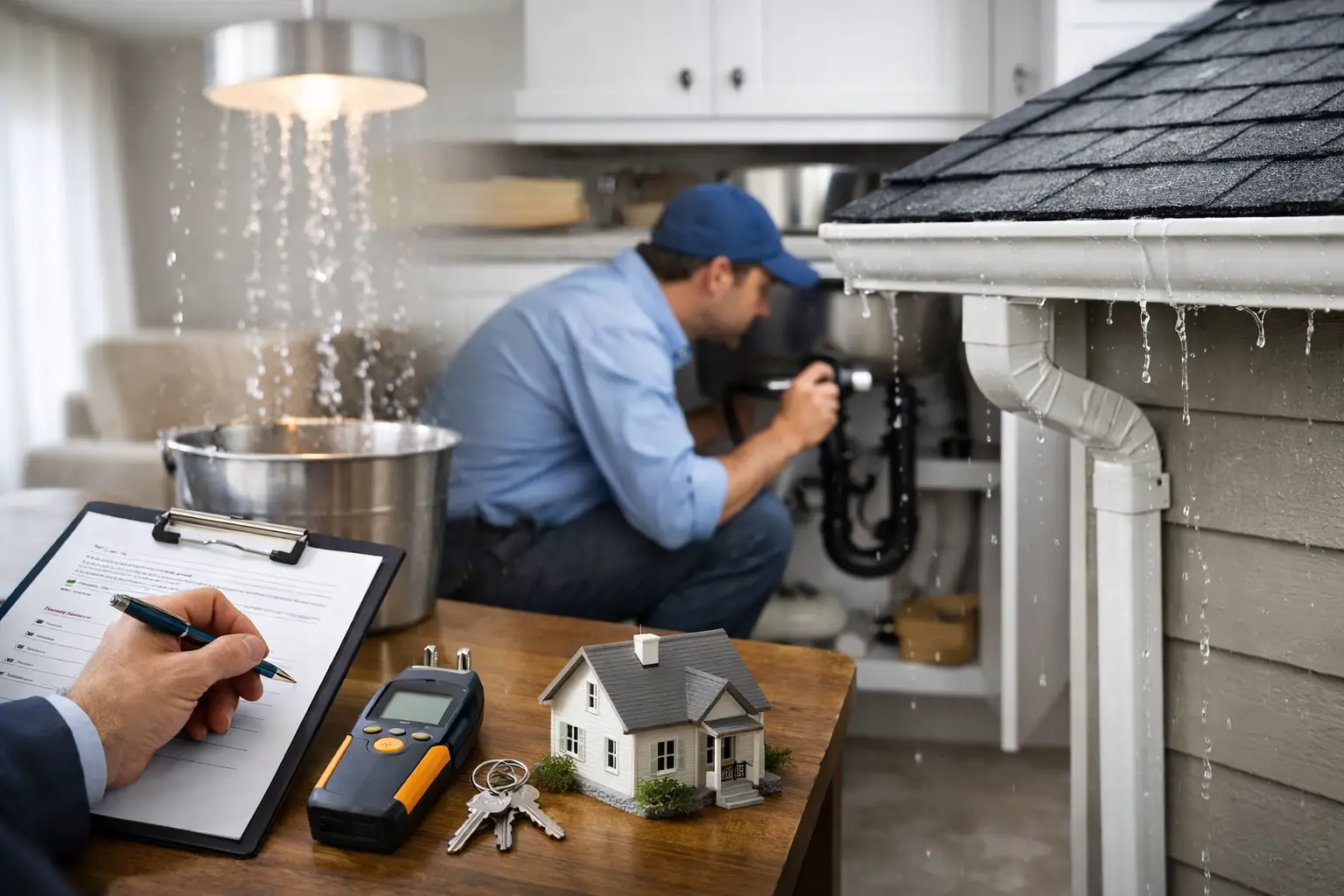
Water damage is expensive because the leak itself is often only part of the problem. The wider cost can include damaged finishes, mould remediation, electrical risk, tenant complaints, business interruption, insurance administration and repeat refurbishment. Prevention is therefore not just about keeping water where it belongs. It is about protecting asset value, operational continuity and maintenance budgets.
Why water damage develops before anyone sees it
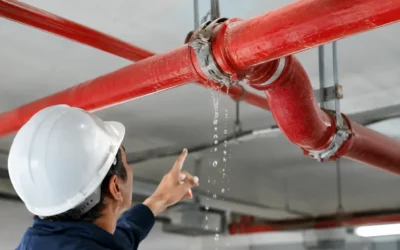
Most serious water damage begins out of sight. Pressurised water lines may leak slowly behind a bathroom wall. Air-conditioning condensate drains can overflow above a false ceiling. Failed waterproofing can allow shower water, rainwater or irrigation runoff to migrate into adjacent rooms and below-floor spaces. In larger buildings, chilled-water systems, fire lines, tanks and risers add further points of failure.
A visible wet patch does not always identify the source. Water follows gravity, pipe routes, joints and gaps in construction, so the point of damage can be metres away from the actual leak. Replacing tiles or opening ceilings without a diagnosis can create disruption without solving the failure. The most effective prevention strategy combines regular inspection, rapid escalation of warning signs and accurate testing where the source is unclear.
Start with the highest-risk areas
Not every part of a property deserves the same inspection frequency. Focus attention where water is under pressure, repeatedly used, exposed to weather or hidden behind finishes. Bathrooms, kitchens, utility rooms, roof areas, balconies, plant rooms, irrigation networks and swimming-pool equipment should be treated as priority zones.
In villas, external irrigation is a common overlooked risk. A leaking underground line can waste substantial water while saturating landscaping, paving sub-bases and foundations. In flats and hospitality properties, wet areas and air-conditioning drainage require closer control because a failure can affect multiple occupiers. For facilities teams, plant rooms and service risers deserve documented inspections because a small component failure can quickly become a wider operational incident.
Look for changes rather than waiting for obvious flooding. Peeling paint, swollen skirting, loose tiles, rust on fittings, recurrent mould, damp odours, low water pressure and unexplained meter movement all warrant investigation. A water bill that rises without a change in occupancy or irrigation use should be treated as a diagnostic signal, not simply a billing problem.
Control pressure, flow and isolation
High or unstable water pressure puts continuous stress on pipe joints, flexible hoses, valves and appliance connections. It can shorten the life of components that appear sound during a brief visual check. Have pressure assessed where there are repeated failures, pipe noise, leaking taps or frequent replacement of valves and hoses.
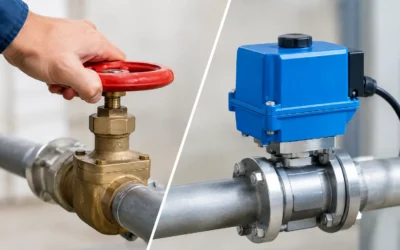
Every owner or responsible manager should also know where the main stop valve is, confirm that it works, and make sure relevant staff can access it. In a managed property, isolation valves should be labelled clearly for individual zones, wet areas and equipment wherever practical. A valve that cannot be found or operated during an incident turns a containable leak into a major damage event.
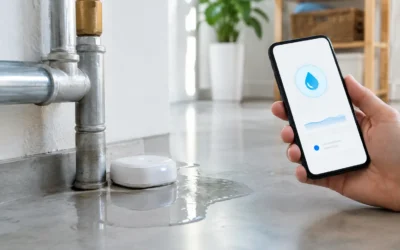
Smart water monitoring adds another layer of protection, particularly for vacant villas, rental portfolios and premises that operate outside normal hours. A monitored valve can track unusual flow patterns and automatically shut off supply when a probable leak is detected. It is not a substitute for sound pipework or inspection, but it can materially reduce the time water is allowed to escape.
Treat waterproofing as a system, not a surface finish
Waterproofing failures are often blamed on grout, sealant or tiles. Those components matter, but they are not the waterproofing system. A shower, balcony or roof area relies on compatible membranes, correct falls to drainage points, properly detailed corners and penetrations, secure drain connections, and protection from later damage during fit-out work.
Re-sealing a cracked joint may be appropriate for a local maintenance issue. It will not resolve a failed membrane, a blocked drain outlet or incorrect floor falls. Where dampness recurs after cosmetic repairs, test the area properly before authorising more work. Water tightness testing can identify whether an area retains water as intended, while thermal imaging and moisture assessment can help define the affected extent without opening large areas unnecessarily.
External areas require equal care. Blocked roof drains, poorly maintained gutters and degraded sealant around façade penetrations can introduce rainwater during infrequent but severe weather. In Dubai, storm events may be sporadic, which can encourage complacency. Clear drainage routes before the season, inspect roof and balcony outlets, and ensure flood protection is ready for vulnerable doors and openings rather than stored where it cannot be deployed quickly.
Maintain drainage before it becomes an overflow
Drainage systems generally give warning before they fail completely. Slow sinks, gurgling floor drains, unpleasant odours and recurring backups indicate restricted flow, poor venting or build-up within the line. Left unresolved, blocked drainage can overflow into cupboards, ceiling voids and occupied areas.
Routine cleaning is particularly valuable in commercial kitchens, hospitality sites, schools and properties with heavy usage. The right frequency depends on occupancy, grease load, landscaping debris and the design of the system. A periodic programme should be based on observed conditions and maintenance records, not a fixed schedule copied from another building.
Air-conditioning drainage deserves its own check. Condensate lines can block with biological growth or sediment, causing water to drip from ceiling diffusers or overflow from fan-coil units. During periods of high cooling demand, inspect drip trays, drain lines and connections more frequently. A small condensate failure can damage ceilings, electrical fittings and tenant finishes long before the cooling system itself appears to have a problem.
Use evidence before approving destructive repairs
When water damage is confirmed but the source is uncertain, avoid a trial-and-error demolition approach. It increases cost, extends disruption and can leave the original fault active. Non-invasive methods are more efficient when selected for the building system and suspected failure.
Acoustic detection can assist with pressurised pipe leaks, while thermal imaging can reveal temperature anomalies associated with moisture or leaking hot and cold lines. Tracer gas testing, pressure testing and moisture mapping can provide further certainty where pipe routes are concealed or the leak is intermittent. For tanks, industrial pipework and critical systems, testing plans should reflect safety requirements, operating conditions and the cost of downtime.
A useful diagnostic report should do more than state that moisture exists. It should identify the probable source, the testing methods used, affected areas, recommended repair scope and any need for post-repair verification. This gives owners, insurers and facilities teams a defensible basis for action and helps prevent repeated contractor visits.
Build prevention into routine property management
The strongest control is a simple, accountable process. Record meter readings or smart-monitoring alerts, inspect high-risk areas, log defects, assign a responsible person and confirm repairs have been tested. For commercial and multi-occupancy sites, include water-risk checks in planned preventive maintenance rather than treating them as reactive call-outs.
A practical schedule may include monthly visual checks of wet areas and plant rooms, seasonal inspection of roofs and external drainage, and annual condition reviews of pipework, waterproofing and isolation arrangements. Higher-risk assets may need more frequent checks. A hotel, hospital, school or industrial facility cannot apply the same regime as an owner-occupied home because the consequences of a failure are different.
Where a property has a history of unexplained bills, recurrent dampness or unsuccessful repairs, bring in specialist diagnostics early. LeakDtech applies non-destructive testing methods to establish the source before unnecessary removal of finishes or interruption to operations.
Respond fast when warning signs appear
Prevention includes the first hour after a suspected leak. Isolate the water supply if it is safe to do so, protect electrical areas, move vulnerable contents and document visible damage. Do not assume that a leak has stopped simply because the surface has dried. Moisture can remain trapped behind finishes and support mould growth or material deterioration.
The right response depends on the source. A burst flexible hose needs immediate isolation and replacement; a suspected waterproofing failure needs controlled testing; a rising water bill may require meter checks and concealed-leak investigation. Acting on evidence keeps the repair proportionate and avoids spending money on the wrong solution.
Water damage prevention works best when it is treated as an asset-protection discipline rather than an emergency-only service. A functioning stop valve, a clear drain, verified waterproofing and an accurately diagnosed leak may seem routine. Together, they protect the parts of a property that are most expensive to put right once water has had time to travel.