When intense rainfall reaches a property, the first failure point is often not the roof or the plumbing. It is the ground-level door, patio opening, service entrance or garage threshold where floodwater can enter within minutes. Flood barriers provide a practical first line of defence at these vulnerable openings, buying valuable time and helping prevent expensive damage to finishes, electrical equipment, stock and occupied spaces.
For villa owners, facilities managers and community teams, the question is not simply whether a barrier is available. It is whether it fits the opening, can be deployed quickly by the people on site, and performs reliably when water is pressing against it.
Why floodwater enters through ordinary openings
Most external doors are designed to shed normal rain, not resist pooled or fast-moving surface water. A door sweep, low threshold and small gaps around the frame can be enough for water to enter once drainage is overwhelmed. Water then travels beneath skirting, into wall finishes and across floor build-ups, where the visible puddle is only part of the problem.
In Dubai, rain events can be short but exceptionally disruptive because hard landscaped areas, basements, ramps and low-lying access routes can concentrate water quickly. Properties with external kitchens, pump rooms, electrical cupboards, loading areas and ground-floor glass doors need particular attention. The cost is rarely limited to cleaning. Saturated plasterboard, damaged timber, corroded electrical components, mould growth and business interruption can follow.
A flood barrier does not solve poor site drainage or a failed roof waterproofing system. It does, however, reduce exposure at the point where water is most likely to cross into the building. That distinction matters when planning practical protection.
What effective flood barriers need to do
The best barrier is not necessarily the tallest or most complicated model. It must create a controlled seal against the threshold and side frames, resist the expected water depth, and remain stable under pressure. It also needs to be simple enough to install correctly during an urgent weather event.
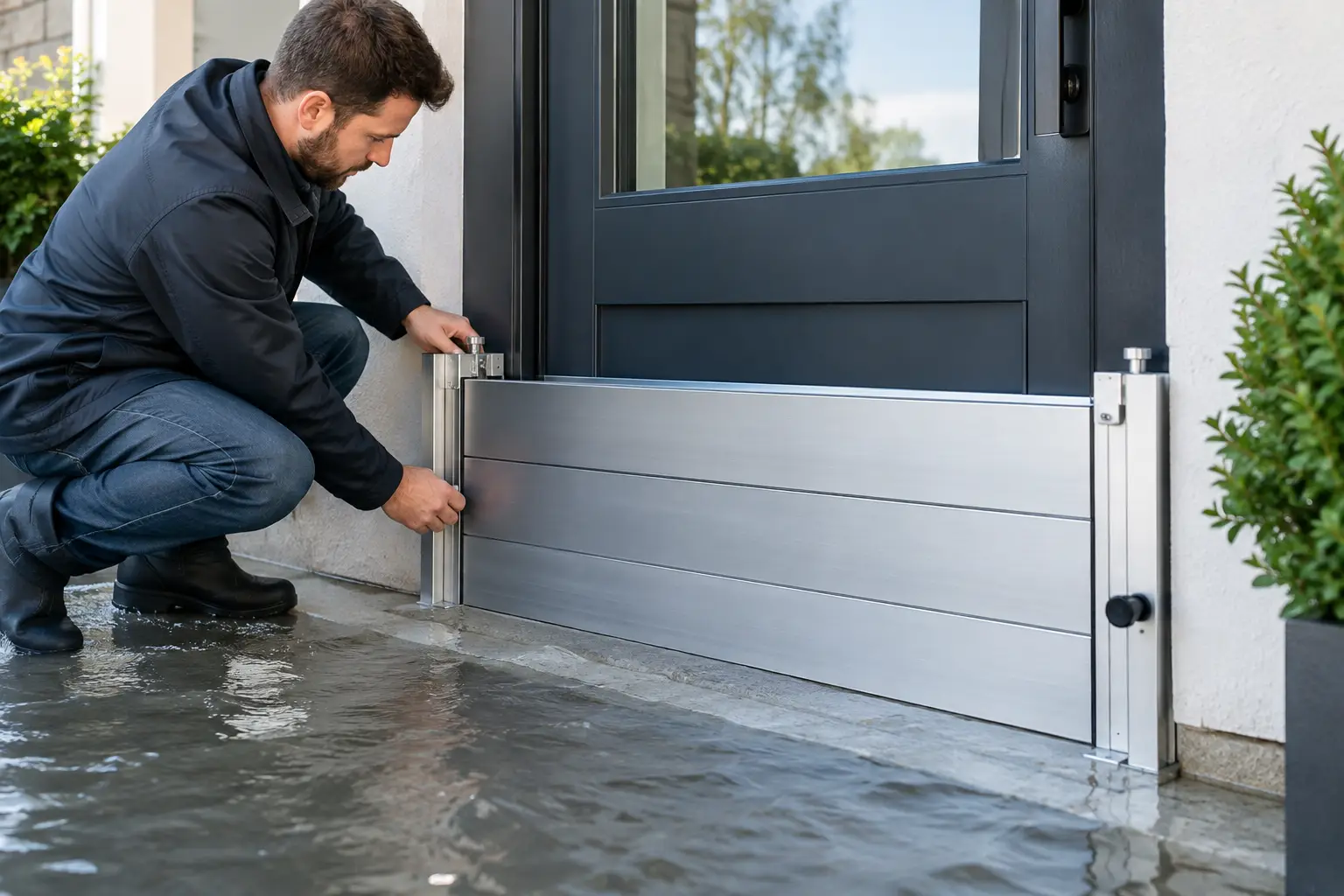
Reusable, tool-free systems are often the strongest option for homes and managed properties because they can be stored nearby and installed without waiting for a contractor. Dam Easy Flood Barriers, for example, are designed for doors and openings and can be deployed in under five minutes when the opening has been correctly measured and prepared.
Performance depends on the full installation, not just the barrier panel. Uneven paving, damaged door frames, loose tiles, deep threshold channels and protruding hardware can prevent proper sealing. Before relying on any system, inspect the contact surfaces and resolve defects that could create a water path.
A suitable barrier should be assessed against the opening width, threshold type and likely water level. It should also be compatible with the way the property operates. A main entrance used throughout the day may require a different plan from an infrequently used plant-room door that can be secured before a storm.
Selecting a barrier for the actual risk
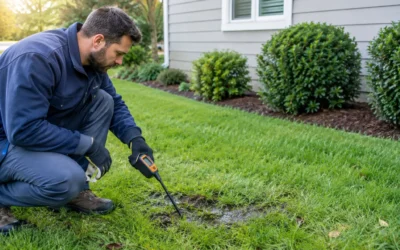
Start with the route water takes towards the property. This is more useful than choosing a product based on appearance alone. Walk the external area after irrigation, washdown or rainfall if possible. Look for low points, blocked gullies, downpipe discharge, sloping driveways and runoff directed towards doors.
For a single villa entrance, a compact reusable barrier may be sufficient if the risk is shallow surface water. For a loading bay, basement ramp or wide commercial opening, the required solution may be larger, sectional or supported by additional drainage controls. Higher barriers are not automatically safer if they are beyond the product’s tested configuration or create unsafe access constraints.
Consider these operational questions before purchase:
- Who will install the barrier, including outside normal working hours?
- Where will it be stored so it is accessible without entering a flooded area?
- Can the opening be measured and protected without obstructing emergency egress?
- Is there a clear trigger for deployment, such as a weather warning or visible ponding?
- Has the team practised fitting and removing it before it is needed?
For facilities teams, these details should sit within a wider wet-weather response plan. A barrier left in a remote store, without a named responsible person, is not a flood-control measure. It is simply unused equipment.
Installation speed matters, but preparation matters more
A barrier advertised as quick to deploy can still fail through rushed preparation. Keep the threshold free of sand, leaves, packaging and loose debris. Even a small obstruction can affect the seal. Check that drainage grates close to the opening are clear and that water is not being redirected towards the protected door by temporary works or parked vehicles.
Before the rainy season, fit the barrier under calm conditions and record the correct configuration. Photograph the installed position, label each component, and retain the instructions at the storage point. This reduces errors when a security guard, maintenance technician or resident needs to act quickly.
For commercial properties, assign clear authority to deploy. Delays often happen because staff are unsure whether closing an entrance will disrupt access or require management approval. Define the threshold at which protection takes priority, especially for electrical rooms, server areas, lift lobbies and plant spaces where even limited water ingress can cause disproportionate loss.
Flood barriers are part of a system, not a substitute for maintenance
A door barrier is most effective when combined with disciplined drainage and building maintenance. Gutters and roof outlets should be cleared, surface channels checked, inspection chambers accessible and external falls reviewed. If water repeatedly reaches the same entrance, the cause may be inadequate grading, undersized drainage or a concealed failure in the surrounding waterproofing.
Where there is evidence of recurring dampness after rain, technical investigation is preferable to repeated cosmetic repairs. Moisture testing, thermal imaging and targeted inspection can help establish whether the issue is water entering around an opening, rising through finishes, leaking from a pipework system or travelling from a roof or façade defect. The repair scope should match the diagnosed cause.
This is particularly relevant after a flood event. Drying the visible floor is essential, but it does not confirm that cavities, insulation, joinery or electrical containment are dry. Property managers should document the incident, inspect affected materials and monitor for delayed staining, odour or mould. Early action is usually far less costly than refurbishment after hidden moisture has spread.
Common mistakes that reduce protection
The most frequent mistake is treating sandbags as a complete solution. They can help redirect shallow water in some situations, but they are slow to position, difficult to store cleanly and rarely form a dependable seal at a doorway. They also become heavy, messy and impractical for repeated use.
Another mistake is protecting only the obvious front door. Water often enters through side gates, patio sliders, electrical cupboards, service corridors and low-level vents. A site walk should identify every opening below the likely water route, then rank them by consequence. Protecting a small electrical room may be more valuable than protecting a larger but easily cleaned lobby.
Finally, do not assume a flood barrier allows a property to be left unattended during severe weather. Conditions can change quickly. Someone should monitor water levels, drainage performance and any sign of bypass around the barrier. If water exceeds the planned level, staff safety comes first and the response plan should escalate.
A practical investment in property continuity
Flood protection is often judged against the cost of a single product. A more realistic comparison is the cost of one avoidable water ingress incident: emergency cleaning, replacement finishes, electrical checks, tenant disruption, claims administration and lost operating time. For homes, it can mean protecting personal possessions and avoiding weeks of repair work. For managed sites, it can mean keeping critical areas functional when weather conditions deteriorate.
The right flood barrier should be measured, stored, tested and included in the property’s response procedure long before clouds gather. That level of preparation turns a simple physical barrier into a reliable control that protects the building when every minute matters.