A ceiling stain above a guest bed, water emerging beneath a corridor skirting, or an unexplained spike in overnight consumption can put a hotel operation under immediate pressure. Dubai hotel leak recovery is not simply a plumbing repair task. It is a controlled response that protects room revenue, guest confidence, finishes, electrical systems and the building’s wider asset value.
For hospitality teams, the wrong response is expensive: close a room without finding the source, dry a visible patch while water continues behind the wall, or approve broad demolition based on assumptions. The right response establishes where the water is coming from, how far it has travelled, what materials are affected and when the area can safely return to service.
Why hotel leaks become operational incidents
Hotels have dense, interconnected services. A leak in one guest bathroom can affect the room below, a shared riser, a corridor ceiling, an adjacent suite or back-of-house areas. Water can travel along pipe sleeves, slab joints, ductwork and service voids before appearing far from its origin. The visible damage is often evidence of the problem, not the problem itself.
The financial exposure rises quickly. An out-of-order room loses nightly revenue, while emergency access, replacement finishes, laundry disruption, guest compensation and reputational risk add further cost. In premium properties, a poorly managed incident can also undermine the consistency that guests expect from the brand.
Timing matters, but speed without diagnosis creates repeat failures. A contractor may replace a mixer, reseal a shower tray or repaint a ceiling, only for moisture to reappear days later because the actual fault sits in a concealed pipe, drainage connection, waterproofing layer or air-conditioning condensate line.
Dubai hotel leak recovery starts with evidence
The first priority is containment. Facilities teams should isolate the suspected water supply where practical, protect affected electrical points, move guests away from active hazards and record the initial condition. Room closures should be targeted rather than speculative where possible, especially when the affected zone can be clearly defined.
A proper technical investigation then determines whether the water is clean supply water, wastewater, rainwater, chilled-water condensate or a combination of sources. That distinction changes the hygiene response, drying method, repair scope and urgency.
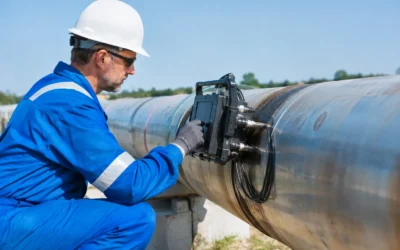
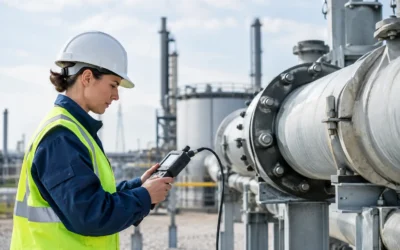
Non-invasive testing is particularly valuable in operational hotels because it reduces unnecessary opening-up. Thermal imaging can identify abnormal temperature patterns associated with moisture or active water flow. Acoustic testing can help locate pressurised pipe leaks. Pressure testing verifies whether a supply line is losing integrity, while tracer gas can identify difficult concealed leaks where other methods are inconclusive.
No individual method is perfect in every setting. Dense concrete, noisy plant areas, insulated pipework and intermittent leaks can complicate results. The strongest diagnosis comes from combining test findings with site history, moisture mapping, plumbing layouts and a physical inspection of likely pathways.
Do not confuse the source with the escape route
Water may enter a ceiling from a failed bathroom waterproofing system, then escape through a light fitting several metres away. Similarly, a leak beneath a basin may soak into a service riser and appear as damage on another floor. Repairing the point where water emerges can make the area look better temporarily, but it does not stop the failure.
This is why hotel engineering teams need a documented source assessment before approving reinstatement. The report should identify the likely cause, tests completed, affected areas, recommended repair, drying requirements and any limitations that require monitoring or further investigation.
A recovery sequence that protects occupancy
Once the source is identified or narrowed to a defensible location, recovery should follow a disciplined order. Stop the water first. Then remove or protect vulnerable contents, assess contamination risk, extract standing water where required and begin controlled drying. Drying is not simply placing fans in a room. Excessive or poorly directed airflow can spread contaminants or cause uneven drying in sensitive finishes.
Moisture readings should be taken from affected materials and repeated over time. This helps determine whether plasterboard, timber joinery, carpets, insulation, ceiling tiles or wall finishes can be dried and retained, or whether they must be removed. In rooms with wastewater contamination, porous materials may require a more cautious approach than those affected by a small clean-water supply leak.
Repairs should be completed before cosmetic reinstatement. This sounds obvious, but pressure to reopen rooms often drives the opposite order. Repainting a ceiling before the pipe, waterproofing or drainage fault has been proven repaired creates a cycle of closures and repeat spend.
The final stage is verification. Pressure retesting, controlled water testing, repeat moisture measurements and visual inspection provide confidence that the repair has worked and the area is dry enough for reinstatement. For a hotel operator, this evidence is useful not only for maintenance records but also for insurer discussions, contractor accountability and capital planning.
Where hidden failures commonly occur
Guest bathrooms are a frequent source because they combine pressurised pipework, drainage, flexible connections, waterproofing and daily heavy use. Shower thresholds, floor waste connections, failed sealant and cracked tile grout may all allow water below the finished surface. Yet grout or sealant is not always the cause, so resealing should not replace testing.
Fan-coil units and condensate systems also deserve close attention in Dubai. Blocked drain lines, poor falls, damaged insulation and overflowing drip trays can create persistent ceiling damage that resembles a plumbing leak. Chilled-water pipework is another possibility, particularly where insulation failure causes condensation rather than an active pipe breach.
Roof areas, façade junctions and podium decks become more relevant after heavy rainfall or washing activities. Water ingress at these locations can be intermittent and may take time to reveal itself internally. A clear timeline of weather, occupancy, maintenance work and observed damage helps separate a rainwater ingress issue from a domestic water leak.
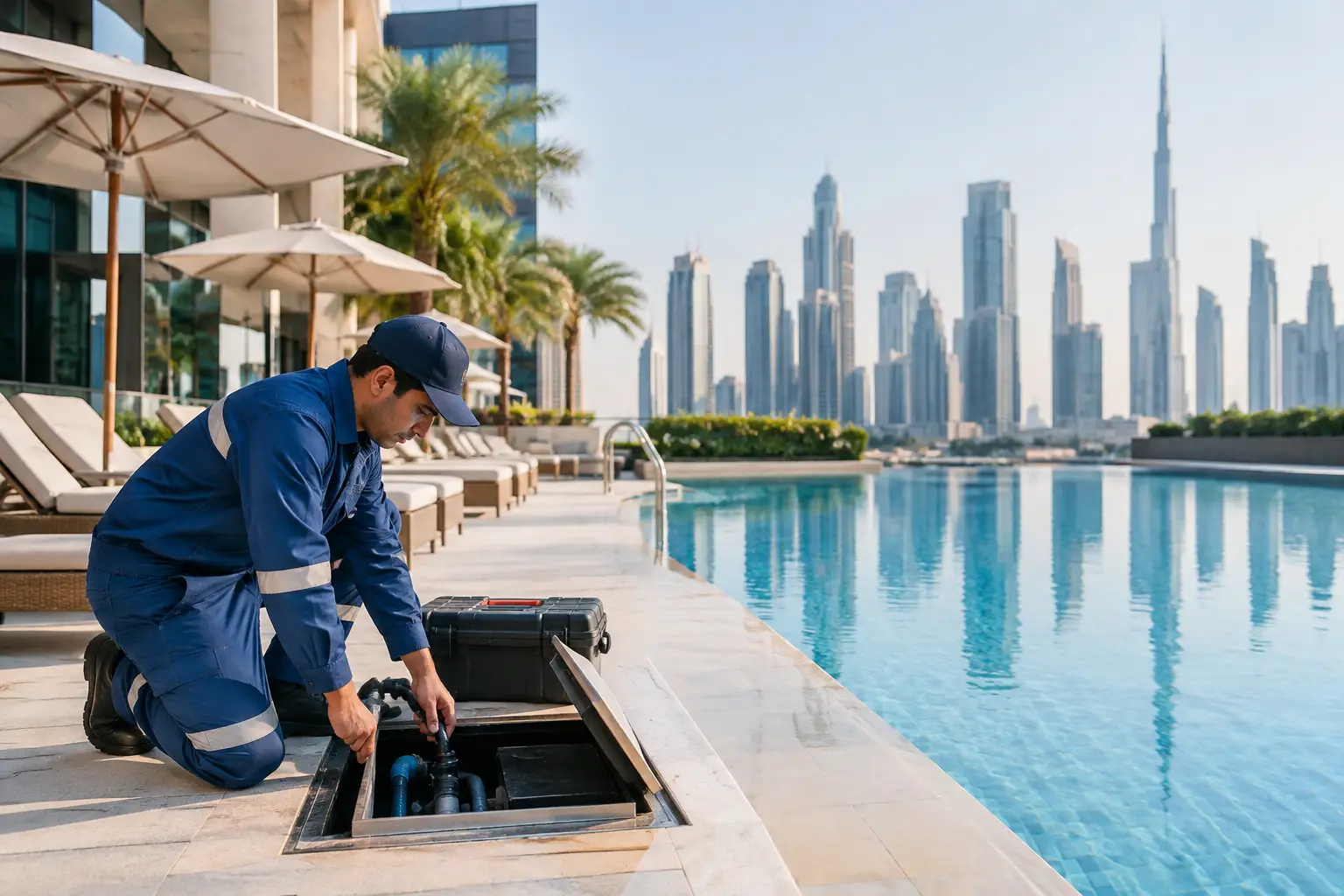
In larger properties, risers, plantrooms, kitchens, laundries, pools and irrigation systems should be considered as part of the investigation. A leak in a common service can affect several floors, making isolated room repairs ineffective.
Decisions that reduce the cost of recovery
The key decision is not whether to act quickly. It is whether to act on evidence. Hotels should avoid authorising widespread tile removal, ceiling demolition or pipe replacement before diagnostic findings justify it. Targeted access is normally cleaner, faster and less disruptive than exploratory demolition across occupied floors.
Facilities managers should also distinguish between an emergency repair and a permanent corrective action. A temporary isolation or bypass may protect operations overnight, but the underlying cause still requires planned repair, testing and documented closure. This is particularly relevant where rooms are reopened after drying but before a wider waterproofing defect has been addressed.
For recurring leaks, review the pattern rather than treating each incident as separate. Repeated bathroom failures on one stack, recurring condensate overflows in a wing, or frequent high-water-bill alerts may indicate a design, installation or maintenance issue. An engineering-led investigation can turn repeated reactive call-outs into a defined remedial programme.
LeakDtech supports this approach with non-destructive leak detection, moisture assessment and technical reporting designed to help hotel teams make repair decisions with greater certainty and less disruption.
Building a more prepared hotel response
A practical leak-recovery plan should define who has authority to isolate water, close rooms, contact specialist support and approve reinstatement. It should also ensure current drawings, valve schedules and room history are available to the responding team. Without these basics, valuable time is lost searching for isolation points or debating responsibility.
Hotels benefit from routine inspections in high-risk zones, particularly guest bathroom wet areas, plantrooms, risers, roofs, kitchens and fan-coil condensate routes. Water consumption monitoring can add another early-warning layer. A sudden abnormal flow pattern may reveal a concealed supply leak before it reaches a guest room or causes significant damage.
After every material incident, retain photographs, test records, moisture readings, repair details and reopening sign-off. These records make future diagnosis quicker and provide a factual basis for warranty, insurance and contractor discussions.
A guest may only see a spotless room and an uninterrupted stay. Behind that outcome should be a recovery process that finds the real source, limits damage, verifies the repair and returns the space to service without gambling on a cosmetic fix.