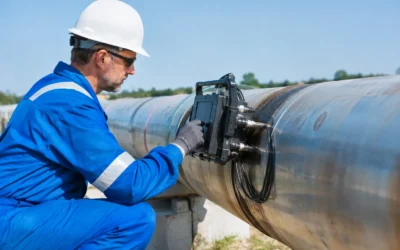

A utility leak is rarely just a wet patch on an industrial site. It can mean unexplained water consumption, unstable pressure, corrosion beneath insulation, contaminated work areas, damaged stock, lost process efficiency or an unplanned shutdown. An industrial utility leak survey gives facilities teams the evidence needed to locate the source accurately before a minor failure becomes an expensive operational event.
For industrial operators, the priority is not simply finding water. It is identifying the affected asset, understanding the extent of the failure and planning a repair that protects production, people and critical infrastructure. That requires more than visual inspection or opening up floors and walls based on guesswork.
What an Industrial Utility Leak Survey Covers
An industrial utility leak survey is a structured, non-destructive investigation of water-bearing and process-supporting systems. Depending on the site, it may cover potable water networks, fire lines, chilled water circuits, condenser water, irrigation mains, drainage connections, tank systems, washdown lines and selected process pipework.
The scope should be tailored to the risk. A warehouse with an unexplained increase in water use needs a different approach from a hotel with intermittent chilled water pressure loss, or a petrochemical facility managing pipework where safety, access control and isolation requirements are more demanding.
The survey starts by defining the operating symptoms. This includes reviewing water bills and meter data, pressure trends, maintenance records, previous repairs, drawings and reports of moisture, pooling or recurring defects. A strong investigation does not treat these as background paperwork. They help narrow the search area and distinguish a genuine leak from normal consumption, valve operation or equipment discharge.
Why Hidden Utility Leaks Are So Costly
Many industrial leaks remain hidden because the network is extensive, buried, insulated, routed through service corridors or installed beneath finished surfaces. A small pinhole leak can run continuously for weeks without obvious signs at the surface. By the time staining, subsidence or mould appears, the repair may involve more than replacing a section of pipe.
Water loss is only one part of the cost. In a chilled water network, leakage can affect system pressure, pump performance and cooling reliability. On a fire line, pressure irregularities may require urgent investigation to protect system readiness. In underground water networks, persistent leakage can soften soils, undermine paving and damage foundations or external works.
There is also the cost of uncertainty. Repeatedly breaking out concrete, ceilings or landscaped areas without a verified leak location consumes budget and disrupts operations. For facilities managers, it often creates a cycle of reactive work orders, tenant complaints and temporary repairs that never address the underlying fault.
The Right Method Depends on the System
No single technology finds every leak. The value of a professional industrial utility leak survey comes from selecting methods based on pipe material, depth, network pressure, fluid type, access conditions and the consequences of isolation.
Acoustic leak detection is often effective on pressurised pipework. Sensitive ground microphones and correlators listen for the sound created as water escapes under pressure. It can be highly accurate, but results depend on the material of the pipe, surrounding ground conditions, operating noise and whether the line is sufficiently pressurised.
Thermal imaging can help identify abnormal temperature patterns associated with chilled water leaks, hot water lines, moisture evaporation or insulation failures. It is fast and non-invasive, although it is an indication tool rather than a standalone confirmation method. Surface temperature can be influenced by weather, sun exposure, air conditioning and nearby equipment.
Tracer gas testing is particularly useful where acoustic methods are limited, such as low-pressure systems, complex floor build-ups or very small leaks. A safe trace gas is introduced into an isolated and prepared pipe section, then specialist sensors detect where it rises through voids or finishes. This method requires careful system preparation, but it can avoid extensive demolition in difficult locations.
Pressure testing, data logging and flow analysis establish whether a section is losing water and how the loss behaves over time. These techniques are crucial for zoning a large network. Rather than searching an entire facility at once, the survey can progressively isolate branches, buildings or utility zones until the area of concern is narrowed down.
Moisture mapping, borescope inspection and targeted visual checks complete the picture. The best results usually come from combining methods, not relying on one instrument reading.
A Practical Survey Process That Limits Disruption
A successful survey is planned around operations. Industrial sites cannot always shut down water, cooling or fire systems during normal working hours, so testing must be coordinated with site teams and existing permit procedures.
1. Establish the failure pattern
The investigation should begin with clear questions. Is the site losing water continuously or only during certain shifts? Does pressure fall when a particular plant area is operating? Has the issue followed a recent refurbishment, excavation or change in demand? These details determine whether the likely cause is a leaking pipe, failed valve, overflow, equipment fault or unauthorised consumption.
2. Divide the network into testable zones
Large utility networks are rarely practical to test as one system. By isolating manageable sections, technicians can compare pressure decay, meter movement and acoustic activity across zones. This reduces time on site and prevents unnecessary opening-up works.
3. Confirm the leak location with complementary evidence
A suspected point should be verified before repair work is authorised. For example, acoustic findings may be checked against pressure data and thermal or moisture results. This is particularly important where the pipe route is uncertain or where the potential repair area affects roads, production floors, clean rooms or landscaped assets.
4. Issue a report that supports repair decisions
The final report should identify the tested systems, methods used, findings, probable leak location, confidence level and recommended next action. Photographs, thermal images, test readings and marked plans give maintenance teams a defensible basis for repair planning and contractor coordination.
For high-value assets, a repair verification test should follow. Finding a leak is not the same as proving the system is sound after the repair.
Common Warning Signs Worth Investigating
An industrial leak survey is appropriate when there is an unexplained rise in water consumption, recurring pressure loss, frequent pump cycling, damp patches, persistent mould, unusual settlement, or repeated failures in the same area. Other signs include a chilled water system that needs regular topping up, water appearing in cable trenches, wet insulation or drainage that continues to flow when equipment is off.
Not every abnormal reading proves a pipe leak. Meter errors, faulty float valves, cooling tower losses, process changes and irrigation schedules can produce similar symptoms. That is why diagnosis matters. A survey should identify the actual mechanism of loss, not simply validate the first assumption.
Where Surveys Deliver the Greatest Value
The commercial case is strongest where disruption is expensive. Hospitals, hotels, manufacturing plants, malls, data-sensitive facilities and large residential communities all depend on utilities that work without interruption. In Dubai, high ambient temperatures can make chilled water reliability especially critical, while concealed pipework in large developments can make unverified repairs costly.
An industrial utility leak survey also supports planned maintenance. Surveying high-risk networks before visible damage appears can reveal developing failures, poorly performing valves and vulnerable areas around joints, penetrations or previous repairs. It will not eliminate every emergency, but it helps shift maintenance from reactive excavation to evidence-led intervention.
For facilities managers, the right question is not whether a survey costs money. It is whether continuing to lose water, energy, operating time and repair budget costs more. In most cases, the answer becomes clear once the true source of the problem is located.
LeakDtech applies non-invasive testing methods to help industrial operators pinpoint difficult utility leaks with minimal disruption and clear technical reporting. Where a network is complex or a previous repair has failed, a methodical survey can replace repeated guesswork with a repair plan that protects the asset and keeps operations moving.