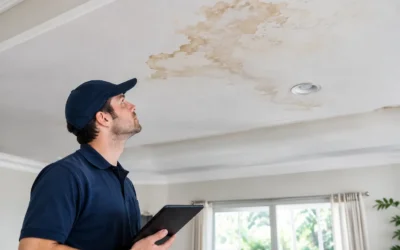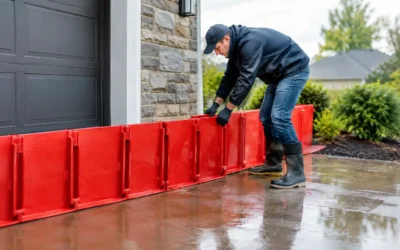
A failed flexible hose behind a washing machine can release hundreds of litres before anyone sees the first stain. A burst pipe in an empty villa can run for hours, damaging ceilings, joinery and electrical systems. The best automatic shutoff valves reduce that exposure by detecting abnormal water activity and isolating the supply before a small failure becomes an expensive reinstatement project.
For property owners and facilities teams, the question is not simply which valve is best. It is which type of system can identify the failures most likely to affect the building, shut off water reliably, and avoid disrupting legitimate water use. The right answer depends on the property, its occupancy pattern, plumbing layout and the cost of downtime.
What an automatic shutoff valve actually does
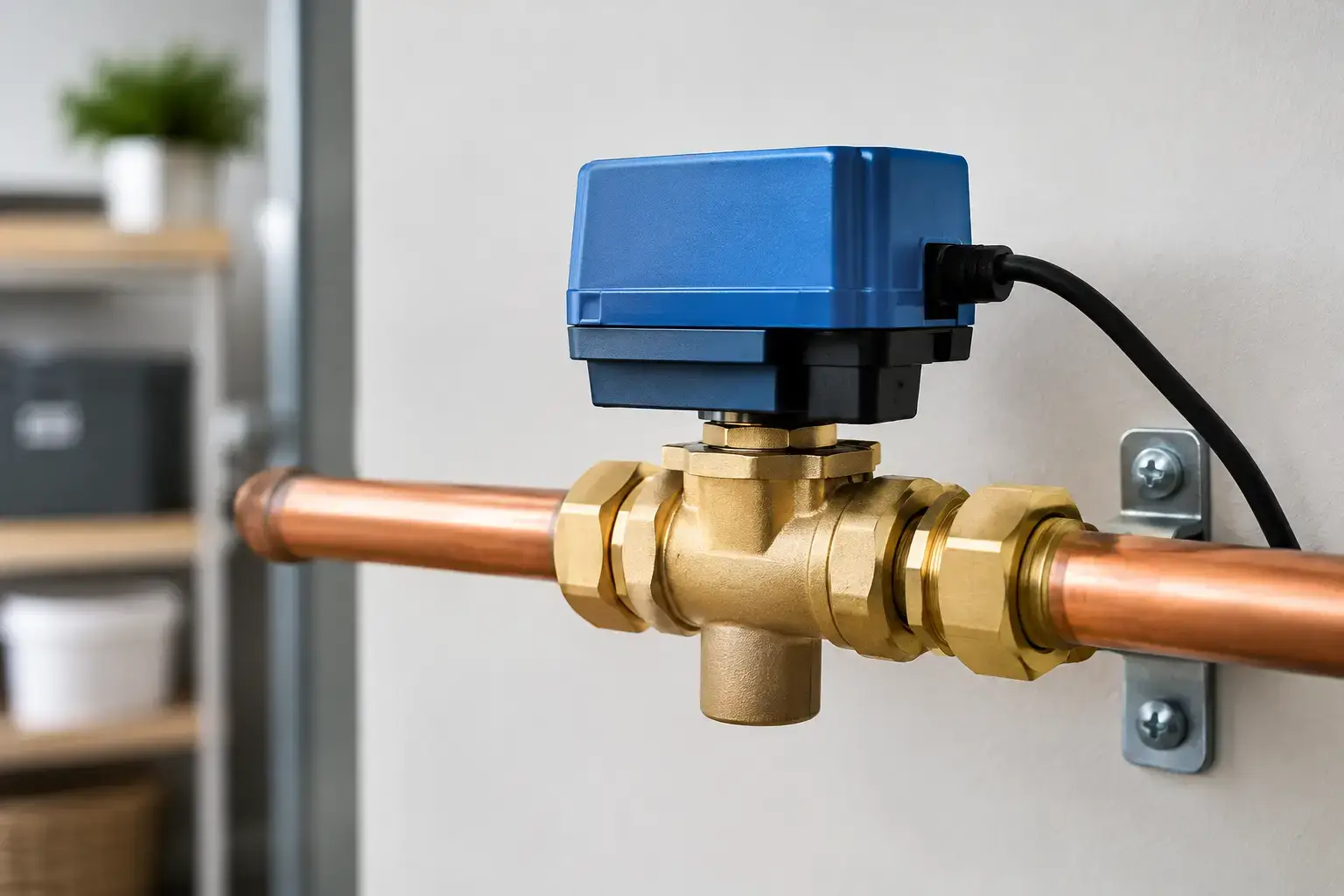
An automatic shutoff valve sits on the incoming water supply or a dedicated branch line. It closes when it receives a trigger from a leak sensor, abnormal flow monitor, pressure-monitoring system or connected building-management platform.
Its value is in response time. Conventional leak detection often begins after a high DEWA bill, a damp patch or a tenant complaint. A shutoff valve is designed to act while water is still escaping, limiting the volume released and the extent of damage.
However, a valve is not a substitute for proper diagnosis. It prevents continued flow; it does not repair failed pipework, defective waterproofing, leaking drainage, faulty irrigation or a damaged appliance connection. Once a system shuts down, the underlying cause still needs to be confirmed and repaired correctly.
The best automatic shutoff valves by application
Smart whole-property valves for villas and flats
For most homes, villas and managed residential units, a smart main-line valve with continuous flow monitoring is the strongest all-round option. These systems monitor water use around the clock and identify patterns that do not resemble normal consumption, such as uninterrupted low flow overnight or sudden high-volume flow when the property is vacant.
A smart valve should provide remote alerts, manual remote shutoff, automatic closure settings and a visible record of consumption events. This is particularly useful for landlords, holiday homes and properties that remain empty for long periods. If a leak begins at 3am or while the owner is abroad, no one needs to be present to limit the loss.
AquaSentra Smart Water Management is an example of this category, combining 24/7 flow and pressure monitoring with automatic isolation. For a villa owner, the practical benefit is not only flood prevention. It can also expose persistent background consumption that drives up water bills long before visible damage appears.
The trade-off is that smart systems need correct commissioning. A household with irrigation, pool top-up systems, water filtration, staff accommodation or frequent overnight water use may require tailored leak thresholds. Without this configuration, the valve may close during legitimate use or fail to flag a slow, intermittent leak early enough.
Point-sensor shutoff valves for high-risk rooms
Point-sensor systems use moisture sensors placed where leaks commonly start: beneath sinks, behind washing machines, near water heaters, inside plant cupboards and below AC condensate connections. When a sensor detects water, it signals the valve to close.
This approach is effective where risk is concentrated in known locations and where owners want a more economical level of protection. It also works well as an additional safeguard in kitchens, utility rooms and plant areas, even where a main smart valve is already installed.
Its limitation is coverage. A sensor only detects water where it has been installed. A concealed pipe leak within a wall, a leak beneath floor finishes or water escaping in a remote bathroom may not reach the sensor promptly. For whole-property protection, point sensors work best alongside flow monitoring rather than as the only defence.
Mechanical flood-prevention valves for appliance lines
Mechanical shutoff devices are commonly fitted to washing machines, dishwashers and other appliance supplies. Some react to excessive flow, while others use a physical trigger or hose-based mechanism to close the water feed after a rupture.
They are straightforward, require little or no connectivity and can be useful where a full smart system is not justified. They are also a sensible layer of protection in rental units, staff accommodation and secondary kitchens.
Their weakness is intelligence. A mechanical device cannot distinguish a minor concealed leak from ordinary consumption, send an alert to a facilities manager or provide water-use information. It protects a specific supply rather than the wider plumbing network.
Commercial and critical-facility systems
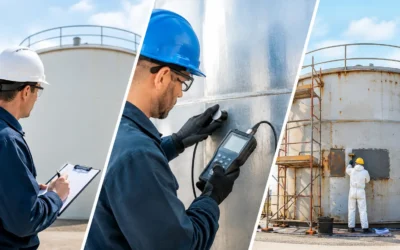
Hotels, schools, healthcare sites, retail centres and industrial facilities usually need more than one valve on the incoming mains. Their systems may include domestic water, irrigation, fire lines, booster sets, chilled-water circuits, process equipment and tenant branches. Closing the wrong line can create a greater operational issue than the leak itself.
For these environments, the best automatic shutoff valve arrangement is normally zoned. Each zone is monitored against expected flow, pressure and operating hours, with critical services kept under separate control logic. Alerts should reach responsible personnel immediately, while valve closure rules must be agreed with the building operator, insurer and relevant compliance requirements.
In a hospital, for example, an unexplained domestic-water flow may justify rapid isolation of a non-critical branch, but never an uncontrolled interruption to clinical services. In a hotel, a system may need to isolate a vacant floor while keeping occupied rooms operational. This is where engineering review matters more than buying a valve off the shelf.
How to choose the right system
Start with the consequence of failure. A compact flat with a resident at home most of the day has a different risk profile from an unoccupied villa, a luxury hotel or a petrochemical plant. Consider the cost of water damage, the likelihood of prolonged vacancy, the age and condition of pipework, and whether a shutoff could interrupt revenue-generating operations.
Then assess the plumbing. The valve must be correctly sized for the pipe, installed where it can isolate the intended area, and compatible with expected flow rates and pressure. An undersized valve can restrict supply; an incorrectly located valve may leave important downstream branches unprotected. For larger properties, separate zones often provide better protection and fewer unnecessary shutdowns.
Detection method is equally important. Flow-based monitoring is strong for hidden pressurised leaks and continuous consumption. Moisture sensors are fast when water reaches a protected area. Pressure monitoring can highlight changes in sealed or controlled systems, but it needs interpretation because pressure naturally varies with demand, temperature and pump operation.
Before selecting a valve, confirm these practical requirements:
- Will it shut off automatically, or only send an alert?
- Can authorised users reopen or close it remotely?
- Does it retain local operation during a Wi-Fi or power outage?
- Can its sensitivity be adjusted to suit irrigation, pool equipment or overnight use?
- Does it provide event history that helps investigate recurring leaks?
These details determine whether the system is a genuine risk-control measure or simply an expensive notification device.
Installation and testing decide whether protection works
Even the best valve can fail to protect a property if it is installed on the wrong line, left without power, or never tested. Installation should include verification of flow direction, valve position, isolation coverage and access for servicing. If the property has a booster pump, storage tank or multiple incoming sources, the water path must be mapped before any equipment is fitted.
Commissioning should simulate realistic scenarios. Test a sudden high-flow event, a slow continuous draw, a point-sensor activation and a remote command. Confirm that occupants or facilities staff receive alerts and know how to restore supply safely after an event.
Testing should not end on installation day. Inspect sensor batteries where applicable, verify communications, exercise the valve and review event logs periodically. A valve that has not moved for years may not operate freely when a genuine emergency occurs.
When a shutoff valve is not enough
An automatic valve is highly effective against sudden supply-side leaks, but not every water problem begins with pressurised pipework. Failed waterproofing, drainage leaks, roof ingress, AC condensate overflow and irrigation faults may continue without creating the flow pattern a main valve expects.
Where a property has unexplained water loss, recurring dampness or a high bill, non-invasive leak detection should come first or run alongside valve installation. Thermal imaging, acoustic testing, tracer gas and pressure testing can identify the source without opening walls or floors unnecessarily. That protects the asset while ensuring the valve is configured around a known, functional plumbing system.
The right automatic shutoff valve should make a leak a contained maintenance issue rather than a refurbishment emergency. Choose a system that matches the building’s real water risks, commission it carefully, and test it before the first failure tests it for you.