A leak behind a wall, under a floor slab or inside a buried line can run up the water bill, damage finishes and quietly weaken the building long before there is a visible stain. That is usually the point at which people ask, how does non invasive water leak detection work, and whether it can really find the source without breaking tiles, cutting walls or shutting down operations.
The short answer is that non-invasive leak detection combines engineering knowledge with specialist instruments to identify where water is escaping and how it is travelling. Instead of opening up large areas and hoping for the best, the technician tests the system, listens to the pipework, analyses temperature patterns, tracks pressure loss and narrows the fault down to a precise area. The goal is simple – confirm the leak path with the least disruption and the lowest repair cost.
How does non invasive water leak detection work in practice?
In practice, it works by building evidence from several diagnostic methods rather than relying on one guess. Water behaves predictably when it escapes a pressurised pipe, waterproofing failure, tank, drain or buried service. It creates sound, changes temperature, affects moisture distribution and alters system pressure. A trained leak detection specialist reads those signals and matches them to the building layout, pipe material, depth, pressure conditions and usage pattern.
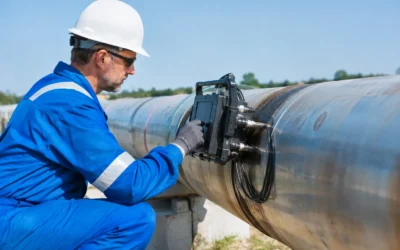
This is why proper leak detection is not just about owning a thermal camera or an acoustic device. The equipment matters, but interpretation matters more. A hot pipe under a screed will produce a different signature from a cold domestic supply line. A leak in a rising main behaves differently from a waterproofing failure on a roof deck. A plumbing fault in a villa bathroom is not diagnosed in the same way as a failure on an industrial process line.
The non-invasive part means the testing is carried out first, and opening up the area only happens once there is enough evidence to justify a targeted repair. That saves money on reinstatement and avoids the all-too-common cycle of breaking in the wrong place, patching blindly and then discovering the leak is still active.
The main technologies used to detect hidden leaks
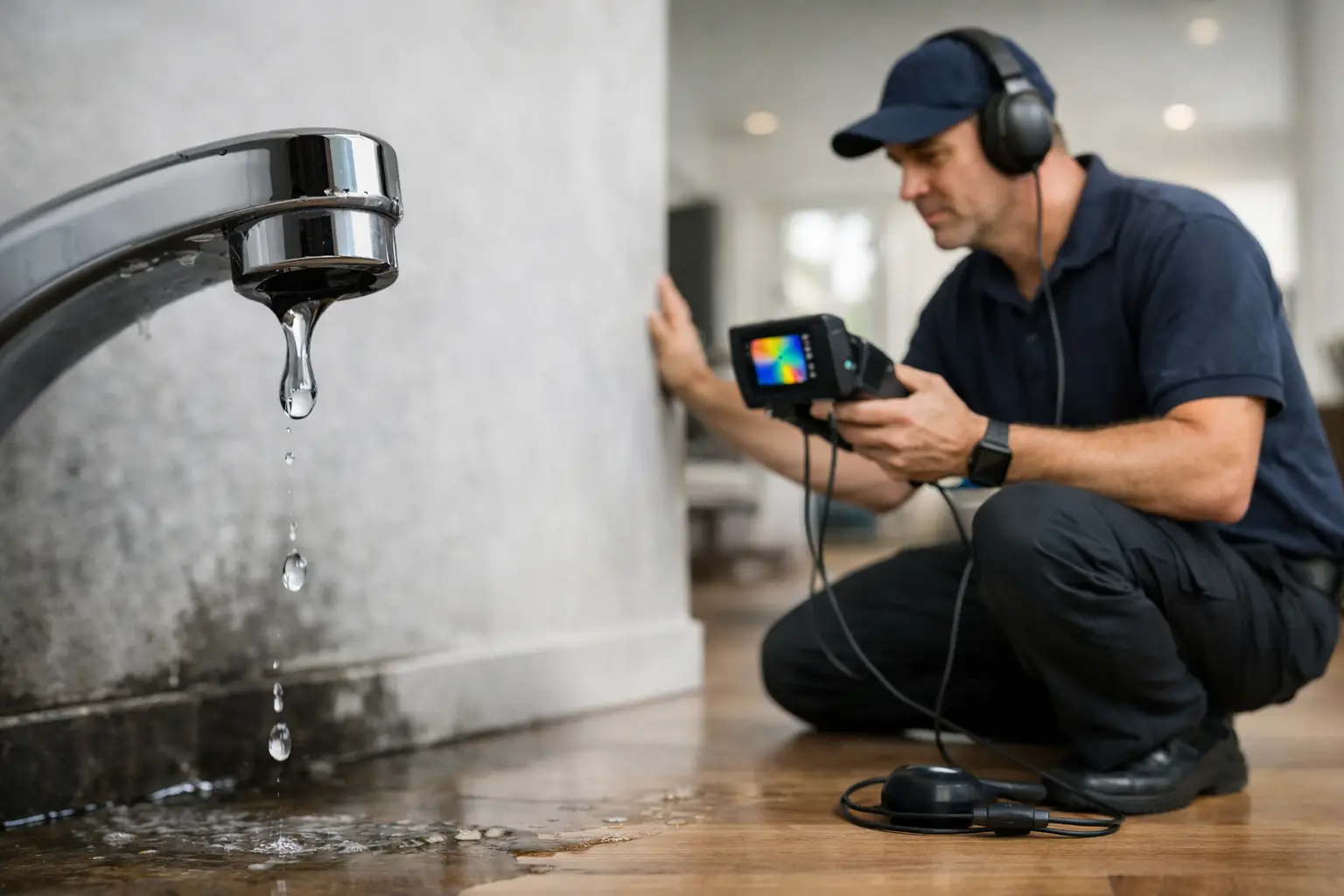
Acoustic leak detection is one of the most effective methods for pressurised pipework. When water escapes through a crack, pinhole or failed joint, it creates vibration and sound. Sensitive listening devices pick up those frequencies through floors, walls, valves and accessible sections of pipe. The technician then compares sound intensity at different points to trace the leak towards its strongest source.
This method works especially well on pressure lines, but results vary depending on pipe material, depth, background noise and the size of the leak. Metal pipes often transmit sound clearly. Plastic lines can be more difficult because they absorb vibration. In busy plant rooms or active commercial environments, background mechanical noise can also interfere, which is why experience matters.
Thermal imaging is used to identify temperature anomalies caused by escaping water or moisture spread. If a hot water line is leaking beneath flooring, the affected area may appear warmer than the surrounding surface. If cold water is escaping into a wall cavity, it can create a cooler pattern. Thermal cameras do not see water directly – they show surface temperature differences that suggest where further analysis should focus.
That distinction is important. Thermal imaging is extremely useful, but it is not magic. Sun exposure, air conditioning, underfloor heating and even recent water use can influence readings. A competent technician will use it as part of a wider inspection, not as a standalone answer.
Pressure testing is another core method. The line or zone is isolated, then monitored to see whether pressure drops under controlled conditions. If it does, that confirms a failure somewhere within the tested section. Pressure testing does not always tell you the exact point of leakage on its own, but it is critical for separating a suspected leak from a proven one.
Tracer petrol testing is often used when leaks are difficult to locate by other means. A safe petrol mixture is introduced into the empty pipe section, and sensitive detectors are used above the surface to identify where the petrol escapes. Because the molecules are extremely small, tracer petrol can reveal leaks in concealed or buried systems where water itself is not easy to trace.
Moisture mapping and inspection tools also play a role. Moisture meters, borescopes and technical visual inspections help determine how far water has migrated and whether the fault is active, historic or linked to another source entirely. That matters because not every damp patch is caused by a plumbing leak. Condensation, failed grouting, poor waterproofing, drainage defects and roof ingress can produce very similar symptoms.
Why accurate diagnosis matters more than demolition
Many property owners assume leak detection means someone arrives, sees a wet patch and starts breaking. That approach is expensive and often wrong. Hidden water can travel along conduits, slab levels, wall chases and structural voids before it appears. The stain on the ceiling may be metres away from the failed pipe joint. The warped timber floor may be the result of a slow leak from an adjacent bathroom. The mould problem may come from a façade issue rather than a plumbing line.
Accurate diagnosis protects more than the immediate repair budget. It reduces reinstatement costs, shortens downtime and avoids disruption to residents, guests, staff and operations. For facilities managers and commercial operators, that can mean avoiding room closures, tenant complaints, insurance complications and repeat contractor visits. In industrial settings, it can mean maintaining continuity while identifying a fault before it becomes a shutdown event.
This is why engineering-led leak detection has real commercial value. It turns a vague problem into a defined scope of work.
What happens during a professional leak detection visit?
A proper visit usually starts with questioning and system review. The technician looks at the symptoms, water usage pattern, bill increases, previous repairs, building drawings if available and the type of network involved. A domestic villa with unexplained consumption needs a different plan from a hotel with suspected chilled water leakage or a site with underground fire line loss.
The next step is isolation and testing. Sections may be shut off to determine whether the leak is on the incoming supply, internal plumbing, irrigation, pool system, tank connection or another service. Once the leaking zone is narrowed down, the most suitable detection methods are applied. That might involve acoustic testing across floor areas, thermal scanning of walls and ceilings, tracer petrol on buried pipework or pressure tests on individual circuits.
From there, the technician correlates the findings. One reading alone is rarely enough. The strongest results come when sound data, temperature anomalies, pressure loss and site conditions all point to the same area. At that stage, the client can be advised where the fault is most likely located, what type of failure is suspected and what repair approach is likely to be least disruptive.
A strong provider will also document the findings clearly. For homeowners, that creates confidence before opening up finishes. For insurers, developers and facilities teams, it supports accountability, repair planning and quality control.
Where non-invasive leak detection works best – and where it depends
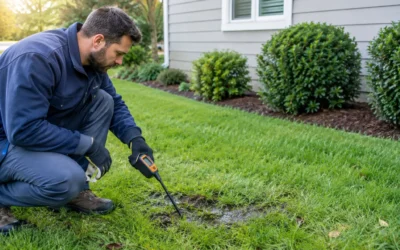
Non-invasive methods are highly effective for hidden plumbing leaks, buried water lines, irrigation faults, tank losses, waterproofing defects and many commercial building services issues. They are particularly valuable where access is difficult, finishes are expensive or operations cannot stop.
That said, results still depend on conditions. A very small intermittent leak can be harder to detect than a continuous pressurised loss. Deeply buried lines may require multiple techniques. Heavy background noise can affect acoustic work. In some cases, non-invasive testing narrows the fault to a small zone rather than a single centimetre-perfect point.
That is still a strong outcome if it avoids unnecessary demolition across a large area. The purpose is not to promise miracles. It is to reduce uncertainty enough that the repair is targeted, evidence-based and cost efficient.
For difficult cases, especially where previous contractors have already made unsuccessful attempts, the difference is often methodology. A specialist company such as LeakDtech approaches the problem as a diagnostic exercise, not a guess-and-break job.
Who benefits most from this approach?
Homeowners benefit because they can investigate unexplained high DEWA bills, recurring damp, mould or pooling water without ripping up half the property. Community managers and FM teams benefit because they can isolate recurring infrastructure issues before they become tenant disputes or major remedial works. Hotels, hospitals, schools and malls benefit because disruption is controlled and service continuity is protected. Industrial and petrochemical operators benefit because leak detection can support maintenance planning, asset integrity and risk reduction in more technically demanding environments.
The common thread is simple. The higher the cost of downtime, reinstatement or misdiagnosis, the more valuable non-invasive detection becomes.
A hidden leak is rarely just a plumbing nuisance. It is a cost issue, an asset protection issue and sometimes a compliance issue. The sooner the source is accurately identified, the more options you keep open – and the less you spend fixing damage that should never have spread that far.