

How District Cooling Lines Help Reduce Business Costs
Every business looks for ways to reduce costs and maximise profits. Maintenance and repair work accounts for a large portion of annual expenses. District cooling lines offer an effective way to reduce these ongoing costs.
Why Cooling Systems Are Essential in Hot Climates
In countries such as Dubai, extremely high temperatures are part of daily life. Heat from computers, machinery, and electrical systems adds further strain. Without cooling, offices quickly become uncomfortable and unproductive. In this climate, a reliable cooling system is essential.
How District Cooling Lines Work
Central cooling plants are designed to distribute chilled water to nearby businesses. This approach reduces onsite maintenance, lowers repair costs, and cuts electricity usage. It also removes the need for constant system monitoring.
Chilled water is produced at a central facility, often using water sourced from lakes, rivers, or oceans. The water is cleaned, cooled, and sent through underground pipes to offices and commercial buildings. After cooling the buildings, it returns to the plant for re-cooling. This process runs continuously.
Cost Savings and Risks of District Cooling Leaks
Businesses can save around 25–30% by using a central district cooling system instead of individual air-conditioning units. However, a leaking district cooling pipe presents a serious risk. Water loss and structural damage can quickly increase operating costs.
Leaks often develop due to poor installation, worn seals, corrosion, or general wear. Because most cooling pipes run underground or through walls, leaks may remain hidden for long periods. Delayed detection can cause soil instability and structural damage.
Detecting Leaks in District Cooling Systems
This raises an important question. How can a chiller plant or customer know a leak exists, and where it is located? Cooling pipe networks often run for miles, making manual inspection impractical.
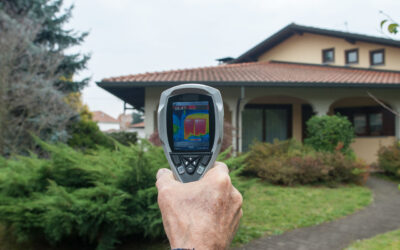
LeakDTech uses advanced leak detection technology designed for complex cooling systems. Infrared and thermal imaging scans examine buildings and pipework, both inside and underground. These scans identify damp areas and pinpoint the exact leak location.
Proactive Monitoring and Prevention
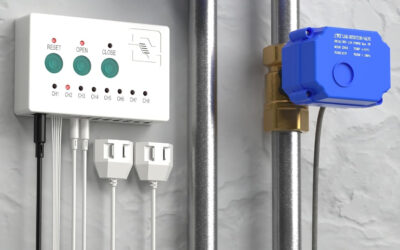
As a preventative measure, sensors can be installed inside cooling pipelines. These sensors detect abnormal moisture and trigger immediate alerts when a leak begins. If your system is under strain, it may be time to have your cooling lines checked.
For information on how we can help if you suspect a leak, consult LeakDTech’s professionals now!