

Interstitial Condensation: Why Should Property Owners Worry?
Managing building safety and ongoing maintenance often feels overwhelming, especially for large property owners with hotels, malls, and office blocks. Many risks remain hidden, unfamiliar, or difficult to detect without specialist knowledge or tools.
One of these hidden risks is interstitial condensation. Unlike visible surface condensation, this issue develops out of sight and can cause serious long-term damage if left unchecked.
What Is Interstitial Condensation?
Most people understand standard condensation. Warm, moist air meets a cold surface, and water forms on windows or walls. You see it, wipe it away, and move on.
Interstitial condensation works very differently. Warm, moisture-laden air moves into wall, floor, or ceiling structures. When the air reaches its dew point, it turns into water inside the structure. This trapped moisture soaks into materials, damages insulation, and slowly rots timber and finishes.
Because the moisture remains hidden, it lingers over time. As a result, it often leads to mould growth and structural deterioration long before anyone notices a problem.
Why Large Buildings Are at Higher Risk
In large buildings such as hotels, interstitial condensation can develop almost anywhere. Extensive HVAC systems, high occupancy levels, and complex wall assemblies increase the risk.
Hotel owners, in particular, want to avoid damp conditions and mould. These issues drive up maintenance costs and create health risks for guests and staff. Even a small number of complaints about musty smells or illness linked to mould spores can damage a property’s reputation.
How Interstitial Condensation Is Detected
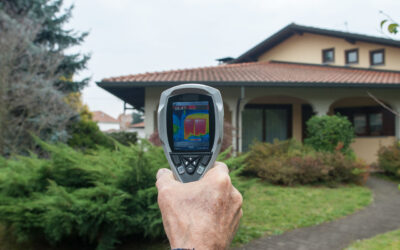
Modern technology makes it possible to identify condensation problems that remain invisible to the naked eye. Advanced infrared scanning systems allow specialists to examine walls, ceilings, and floors for temperature variations and damp areas.
Once engineers locate internal moisture, they can use additional methods such as smoke testing or ultrasonic detection to trace the external source of air or water ingress. This targeted approach allows teams to fix the issue without unnecessary disruption.
Early Warning Signs to Watch For
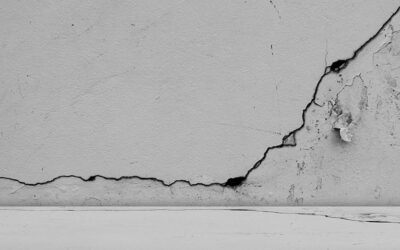
Although interstitial condensation hides within structures, some warning signs may appear over time. These include damp paintwork, peeling finishes, or persistent musty odours. If you notice any of these issues, act quickly.
Proactive inspections provide peace of mind and help prevent minor condensation issues from becoming major structural problems.
For information on how we can help if you suspect a leak or hidden moisture issue, consult LeakDTech’s professionals now!