
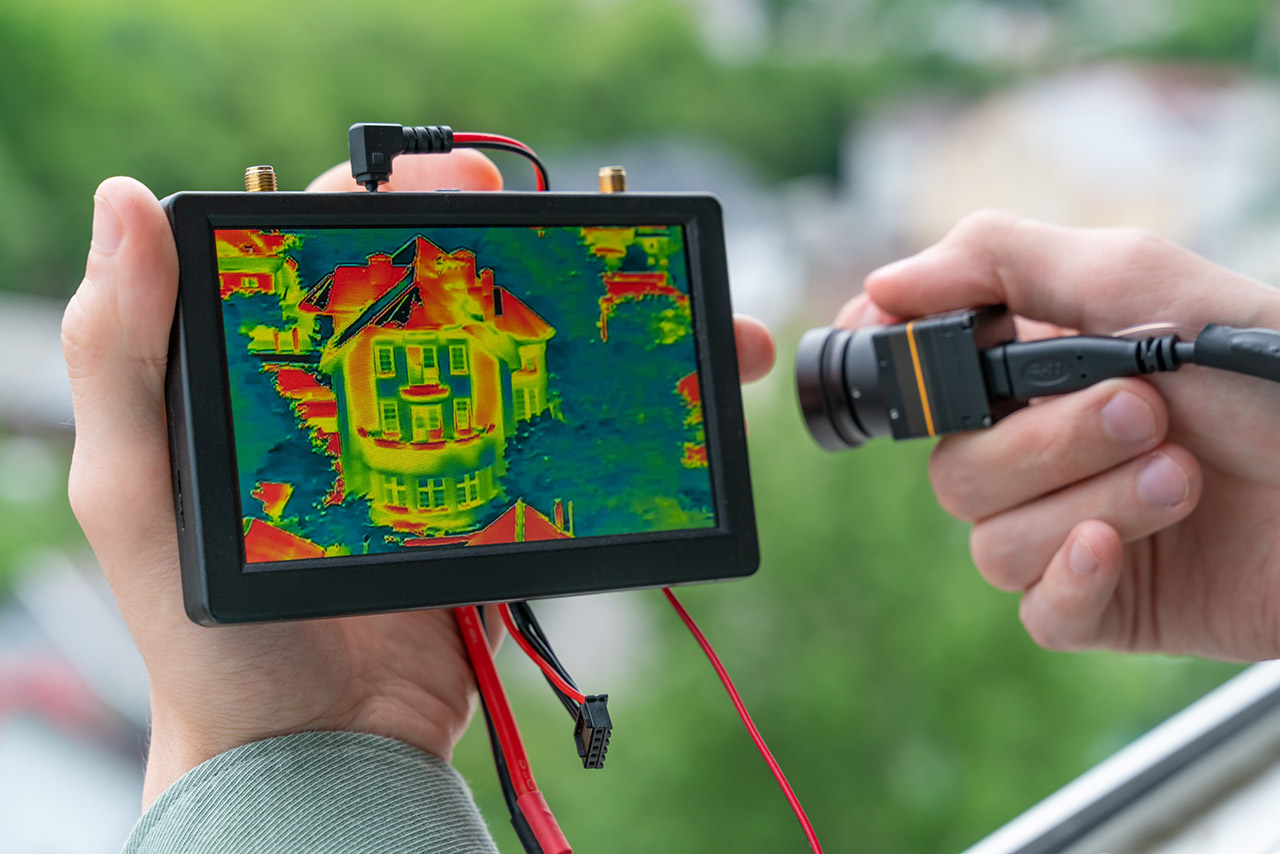

Maintaining the safety and integrity of both residential and commercial properties requires early and accurate leak detection. For this reason, infrared leak detection has become a game-changing solution. This advanced technology uses thermal imaging to locate hidden leaks without causing damage. As a result, property owners can identify issues early and protect their investments more effectively.
By detecting subtle temperature differences, infrared leak detection helps locate moisture, gas, and air leaks that remain invisible to the naked eye. Consequently, early intervention becomes possible before costly damage occurs. In this article, we explain how infrared leak detection works, highlight its key benefits, and explore its real-world applications.
The Science Behind Infrared Leak Detection
Principles of Infrared Technology:
Infrared technology works on a simple principle: all objects emit heat. Thermal imaging cameras detect this heat and convert it into visible images called thermograms. Different temperatures appear as different colours. Therefore, trained inspectors can quickly identify unusual patterns that suggest leaks.
How Infrared Identifies Leaks:
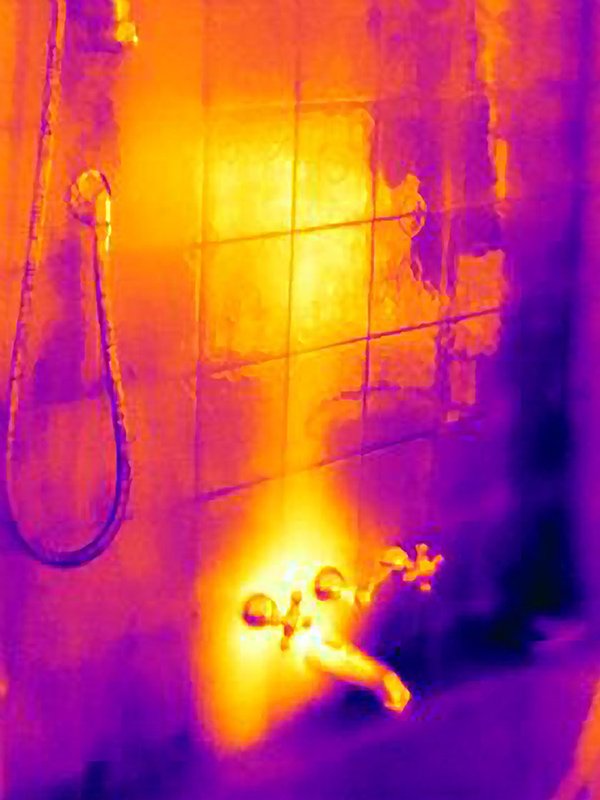
Infrared technology detects leaks by identifying temperature changes caused by moisture, air movement, or escaping gas. For example, wet areas cool faster due to evaporation. As a result, these areas appear cooler on thermal images. Similarly, gas leaks alter surrounding temperatures, making them easier to detect. This process allows inspectors to uncover leaks hidden behind walls or under floors.
Benefits of Infrared Leak Detection
Non-Invasive Detection:
One major advantage of infrared leak detection is its non-invasive nature. Unlike traditional methods, it does not require drilling, breaking walls, or excavation. As a result, properties remain intact while inspections stay fast and cost-effective.
Speed and Efficiency:
Infrared inspections work significantly faster than manual methods. A full building scan can often be completed within a short time. Therefore, leaks can be addressed quickly, which helps minimise water damage and repair costs.
Accuracy and Precision:
Infrared technology delivers high accuracy when locating leaks. This precision reduces unnecessary repairs and ensures technicians focus only on affected areas. Consequently, property owners save both time and money.
Applications of Infrared Leak Detection
Residential Properties:
In homes, infrared detection helps identify hidden plumbing leaks, moisture intrusion, and energy loss. It can reveal issues behind walls, beneath floors, and above ceilings. Therefore, homeowners can resolve problems early before they escalate.
Commercial and Industrial Use:
In commercial and industrial settings, leaks can disrupt operations and create safety risks. Infrared detection allows inspectors to examine extensive pipe and duct networks efficiently. As a result, businesses can prevent downtime and maintain safe working environments.
Implementing Infrared Leak Detection
Conducting an Infrared Inspection:
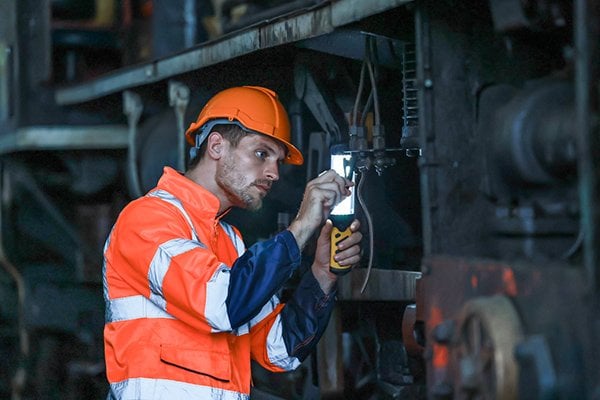
A successful infrared inspection requires skill and experience. Professionals use high-quality thermal cameras to scan known risk areas methodically. Meanwhile, accurate interpretation of thermal data ensures reliable results.
Choosing a Professional Service:
The effectiveness of infrared leak detection depends heavily on the technician’s expertise. Therefore, selecting a qualified service provider is essential. Look for experience, proper certification, and professional-grade equipment.
DIY vs Professional Inspections:
Although consumer-grade infrared cameras exist, they lack the accuracy of professional tools. In contrast, trained inspectors can interpret thermal patterns correctly. For this reason, professional inspections provide far more reliable results.
Best Practices for Infrared Leak Detection
Routine Maintenance Checks:
Including infrared inspections in regular maintenance schedules helps prevent minor leaks from becoming major problems. Consequently, this proactive approach extends property lifespan and reduces repair costs.
Post-Repair Verification:
After repairs, infrared technology can confirm that leaks have been fully resolved. This step validates the quality of work and provides peace of mind.
Future Trends in Infrared Technology
Technological Advancements:
Infrared technology continues to evolve rapidly. New developments improve accuracy, affordability, and accessibility. As a result, leak detection becomes more effective for a wider range of properties.
AI and Machine Learning Integration:
Artificial intelligence is beginning to enhance infrared inspections. In the future, predictive systems may detect failures before leaks occur. Therefore, property owners will benefit from even more proactive maintenance solutions.
Conclusion
Infrared leak detection offers a powerful combination of accuracy, speed, and non-invasive inspection. For homeowners and businesses alike, it provides early leak identification and long-term cost savings. As technology continues to advance, infrared detection will remain a critical tool in modern property maintenance.
FAQs
What is infrared leak detection?
Infrared leak detection uses thermal imaging to identify hidden leaks by detecting temperature differences.
How does infrared leak detection work?
It captures heat patterns and displays temperature variations, which reveal potential leaks.
What are the benefits of infrared leak detection?
It is non-invasive, fast, accurate, and reduces unnecessary repairs.
Can infrared detection be used in homes and businesses?
Yes, it works effectively in residential, commercial, and industrial properties.
Should I hire a professional?
Yes. Professional inspectors provide greater accuracy using advanced equipment and expertise.
Want expert help? Our leak detection specialists are ready to assess your property. Click below to book your inspection today.