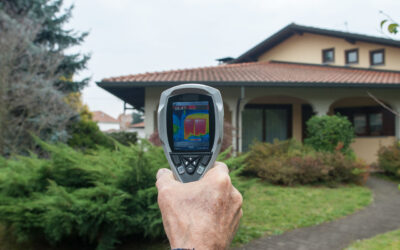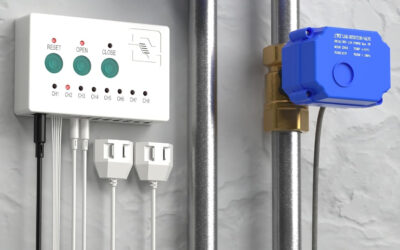


Water damage and gas leaks don’t just cause mess and chaos. They destroy property, risk lives, and come with a huge price tag. For years, people relied on outdated tech or manual inspections to try to prevent the worst from happening. Now, there’s a better way – and it’s all thanks to the Internet of Things. In this guide, we’ll unpack the role of IoT in preventing water and gas leaks and why it’s no longer something you can afford to ignore.
What Is IoT?
IoT stands for the Internet of Things — a network of smart devices connected to each other and the internet. These devices collect and share data in real time to help us monitor, manage, and improve everyday systems. Think of smart thermostats, wearable health trackers, or connected lights that switch off when you leave the room. Now imagine applying that same idea to detect leaks.
Why Leaks Are a Bigger Problem Than Most Realise
Water might seem harmless, but a small, hidden leak can cost thousands in repairs. Mould, rot, ruined furniture – the list goes on. Gas leaks, on the other hand, are even more dangerous. Leaking gas can lead to explosions or silent but deadly carbon monoxide poisoning. Often, these issues develop without any warning. That’s where real-time alerts from IoT devices make all the difference.
The Traditional Approach to Leak Detection
Traditionally, leak detection involved reactive maintenance. You’d find a puddle or smell gas, call a professional, and then fix the issue. Older systems used basic sensors, but they were limited, often triggering false alarms or missing slow leaks altogether.
Enter IoT – A Smarter Solution
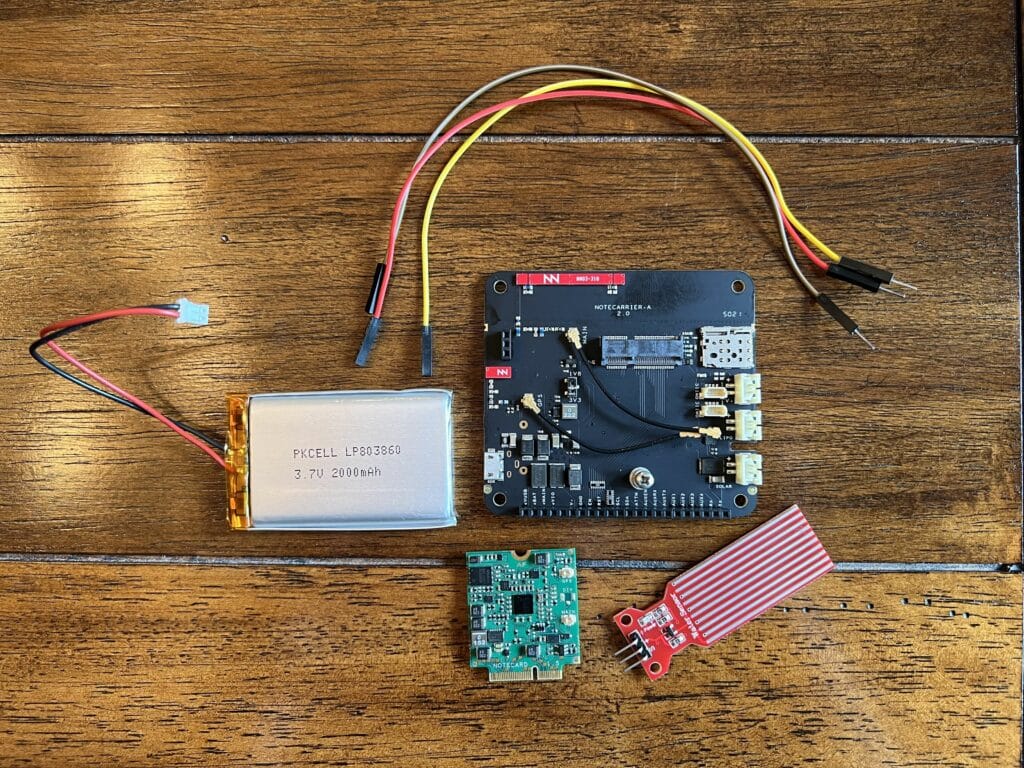
IoT-based systems don’t just wait for disaster. They actively monitor your environment 24/7. These sensors detect small changes in water flow, air quality, pressure, and temperature. When something is off, the system alerts you instantly — or even shuts off valves automatically.
How IoT Helps Prevent Water Leaks
IoT sensors detect moisture in hidden places — under floors, behind appliances, or near pipes in walls. They track pressure drops and unusual usage, detecting leaks before you notice anything.
Use Cases in Residential and Commercial Settings
In homes, IoT can stop a burst pipe from flooding your kitchen while you’re away. In hotels or offices, it can monitor entire floors from one dashboard.

How IoT Helps Prevent Gas Leaks
IoT sensors monitor air quality for gases like methane or carbon monoxide. If danger is detected, they can shut off supply lines or trigger ventilation instantly — no one needs to be present.
Avoiding Catastrophic Failures
Gas explosions and fires can be fatal. IoT systems provide early warnings and automatic shut-offs, giving you a chance to act before things escalate.
Benefits of Using IoT in Preventing Water and Gas Leaks
- Speed: Alerts the moment a problem starts.
- Accuracy: Fewer false alarms.
- Savings: Lower repair bills and reduced downtime.
Real-World Examples
- Retail Shop Saves Thousands: A sensor detected a slow leak overnight and shut the valve automatically.
- Flat Owner Stops Gas Leak While Abroad: A gas sensor detected carbon monoxide and shut off supply remotely.
The Technology Behind It
These systems use cloud platforms, mobile apps, and wireless networks to keep you informed anywhere. Some include AI, learning patterns and detecting anomalies faster.
Integration with Building Management Systems
IoT sensors integrate with your building management system so you can control heating, lighting, and leak detection from one dashboard.
The Environmental Angle
Water waste and gas waste are major environmental issues. IoT reduces waste early, lowering emissions and conserving resources.

Challenges and Considerations
You’ll need strong cybersecurity and stable internet. Costs vary, but the savings from avoided damage typically outweigh the spend.
What to Look for in an IoT Leak Detection System
- Long battery life
- Instant alerts (app, SMS, email)
- Cloud reporting
- Remote shut-off capability
- Smart-home compatibility
Future Trends in IoT Leak Prevention
Machine learning will soon allow predictive alerts — warning you before a leak happens. Expect deeper AI integration across all systems.
Final Thoughts
The role of IoT in preventing water and gas leaks is now essential. Whether for a home or commercial building, these systems offer safety, savings, and peace of mind. If you’re still relying on outdated tech, it’s time to upgrade.
FAQs
Can I install an IoT leak detection system myself?
Yes, many systems are plug-and-play. Large systems may need a professional.
Are these systems safe and secure?
Modern systems use encrypted networks, provided you choose a trusted supplier.
How much do IoT leak detection systems cost?
Home kits start around £100. Commercial systems cost more but provide rapid ROI.
Do I need 24/7 internet?
Yes — real-time alerts and remote functions depend on connectivity.
What happens if the system goes offline?
Most provide backup local alerts and notify you when connection is lost.