
What Is a Slab Leak?
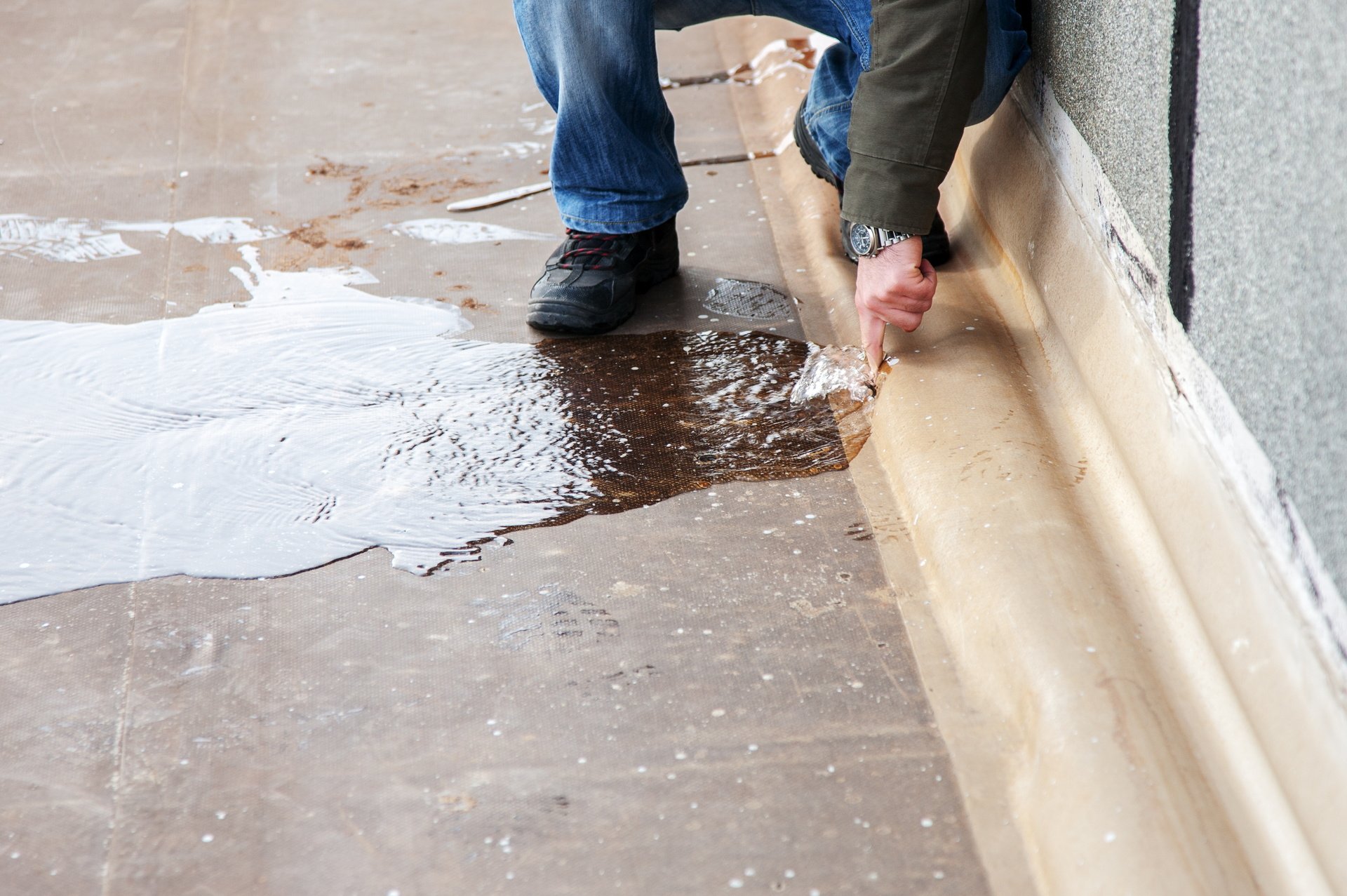
A slab leak is a water leak that occurs underneath the concrete foundation (or “slab”) of a building. These leaks typically happen in either hot or cold water pipes running beneath your home. Because they’re hidden deep beneath solid concrete, detecting them requires more than just a wrench and a hunch.
Slab leaks are serious. Left unnoticed, they can cause significant structural damage, promote mould growth, weaken your foundation, and lead to massive repair bills. That’s why slab leak detection is essential for both early warning and long-term property health.
If you’re seeing high water bills or mysterious dampness on your floor, it’s time to start asking questions.

Why Are Slab Leaks So Dangerous?
You might be thinking, “It’s just a bit of water.” But slab leaks often go undetected for weeks or even months, slowly eroding the integrity of your home from the ground up.
Here’s what can happen:
- Water erodes the soil beneath your slab
- The foundation shifts and cracks
- Mould spores grow in the hidden moist areas
- Wooden flooring warps
- Your monthly water bill skyrockets
Read more about the hidden dangers of water leaks.
What Are the Signs You Might Have a Slab Leak?
You can’t see it, but your home might be giving you subtle clues. Watch out for:
- Sudden spikes in your water bill
- Warm spots on your floor, especially over hot water lines
- Damp carpets or warped wooden flooring
- Low water pressure throughout the home
- The sound of running water when everything is turned off
- Visible cracks in your flooring or walls
If you’ve noticed any of these, consider booking a leak inspection.
What Causes a Slab Leak in the First Place?
- Poor construction: If your plumbing was installed incorrectly or with low-quality materials
- Soil movement: Shifting ground or settling foundations
- Pipe corrosion: Especially in older homes with copper or galvanised steel plumbing
- Water pressure issues: High water pressure wears pipes down faster
- Abrasion: Pipes that rub against concrete or gravel for years
How Does Slab Leak Detection Actually Work?
Slab leak detection is the process of locating leaks underneath concrete slabs without destroying your floors. At LeakDTech, we use advanced tools to locate slab leaks with accuracy.

Step-by-Step: Our Slab Leak Detection Process
1. Initial Assessment
We begin by listening to your concerns and evaluating symptoms; damp floors, sound of water, inflated bills.
2. Meter Check
We shut off all water-using appliances and observe your meter. If it still runs, there’s a leak. Learn how to check your meter.
3. Pressure Testing
We isolate plumbing zones to find whether the leak is in the hot or cold line.
4. Acoustic Listening Devices
Using sensitive tools, we detect the unique sound of water escaping underground.
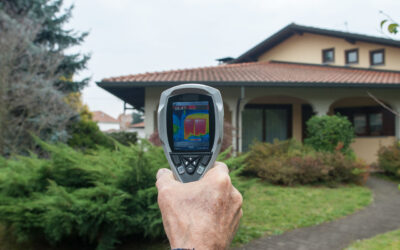
5. Thermal Imaging Cameras
We scan your floors to identify heat patterns caused by hot water leaks. Read more on thermal imaging.
6. Trace Gas Testing
A harmless gas is pumped through your lines. Escaped gas reveals the leak location when detected above the slab.
7. Pinpoint the Leak
We mark the exact area, offer repair options, and avoid unnecessary floor damage.
Tools Used in Slab Leak Detection
Modern slab leak detection uses non-invasive technology to avoid unnecessary destruction. Here’s a breakdown of the tools:
- Acoustic leak detectors
- Thermal imaging cameras
- Electronic amplification
- Tracer gas kits
- Pressure gauges
Each of these tools is designed to find leaks quickly and without digging up your floors unnecessarily. You can learn more about our non-invasive leak detection services here.
See all of our leak detection services.
Can You Detect a Slab Leak Yourself?
Yes, but only up to a point.
You can use your water meter, check for warm spots, and listen for sounds. But finding the exact location of the leak requires tools and expertise.
To truly confirm a slab leak, book a professional. This is especially important if you’re trying to avoid damage during the search process.
Slab Leak Detection vs. Other Leak Types
Slab leak detection is more complex than your average pipe leak. For example:
- Roof leaks: Usually visible and above ground
- Pool leaks: Often show in falling water levels
- Bathroom or kitchen leaks: Easy to locate and repair
In contrast, slab leaks are hidden, pressurised, and often multi-symptom issues. They require a completely different skill set.
What Happens After the Leak Is Found?
Once located, you’ll need to choose a repair method. The three main approaches are:
- Spot Repair: Break slab and fix pipe at the leak point
- Rerouting: Install new pipework above the slab
- Pipe Lining: Epoxy lining inside existing pipe
How Long Does It Take?
Most residential inspections take 2 to 4 hours. Larger commercial properties may require a full day or more depending on size and access.
We work fast but more importantly, we work precisely. Our goal is to find the leak without disruption to your home or business. Learn more about our commercial water management strategies.
Learn about water management strategies.
What Does It Cost?
Costs vary by property size, tools needed, and how difficult the leak is to locate. Pricing typically ranges from AED 800–1500 for detection alone. Repair is extra.
Get a full breakdown in our article on cost factors for commercial leak detection.
Why Early Detection Matters
The longer a leak continues undetected, the worse the damage becomes. Early slab leak detection can:
- Prevents structural damage
- Saves money on repairs
- Avoids long-term issues like mould
Suspect a Leak?
- Check your water meter
- Turn off all water use
- Feel your floors for dampness
- Look for cracks or warped surfaces
- Listen for running water
Contact us for professional help.
How LeakDTech Helps
At LeakDTech, we specialise in slab leak detection using the latest non-invasive technology. We’re the trusted name in leak diagnosis across the UAE.
- Rapid response
- Non-invasive tools
- Expert tech team
- Detailed reports
- No-pressure repair quotes
Explore our full service offering.
Related Articles
FAQs
What is slab leak detection?
It’s a professional process using acoustic, thermal, and gas tools to locate hidden leaks under your foundation.
How do I know if I have a slab leak?
Look for high bills, warm floor spots, and damp flooring. Read our tips.
Is slab leak detection expensive?
It’s affordable compared to the damage a leak can cause if left untreated.
Can I fix a slab leak myself?
No. Detection requires specialised tools and repairs often involve pipe rerouting or slab access.
Does insurance cover slab leaks?
Policies vary, but many cover detection. Always check with your provider.