
Why Commercial Kitchen Water Conservation Matters
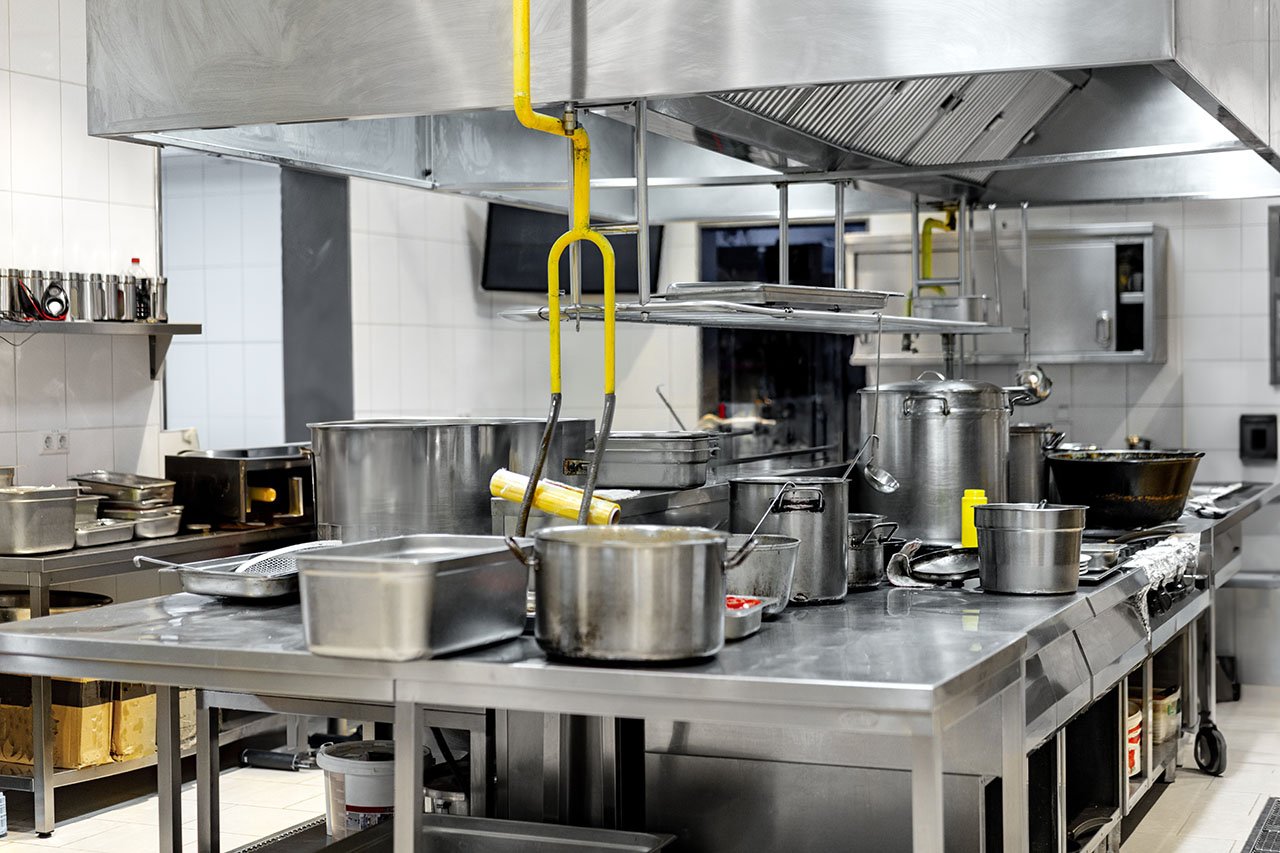
Running a commercial kitchen is resource-intensive, and water is one of the biggest ongoing costs. While electricity and gas are often closely monitored, water tends to be overlooked. Yet every litre wasted increases your utility bills and puts pressure on local resources. The hospitality industry is a significant consumer of water, making conservation both a financial and environmental priority. Here were going to look at commercial kitchen water conservation and how you can improve in yours.
The rising cost of water for hospitality businesses
Across the UAE and other high-demand regions, water tariffs for commercial premises can be substantial. For a kitchen operating 12–16 hours a day, even small inefficiencies multiply into thousands of dirhams in unnecessary costs each year. Monitoring and reducing consumption can protect profit margins and free up funds for other business improvements. See how to reduce your utility bills.
Environmental responsibilities for commercial kitchens
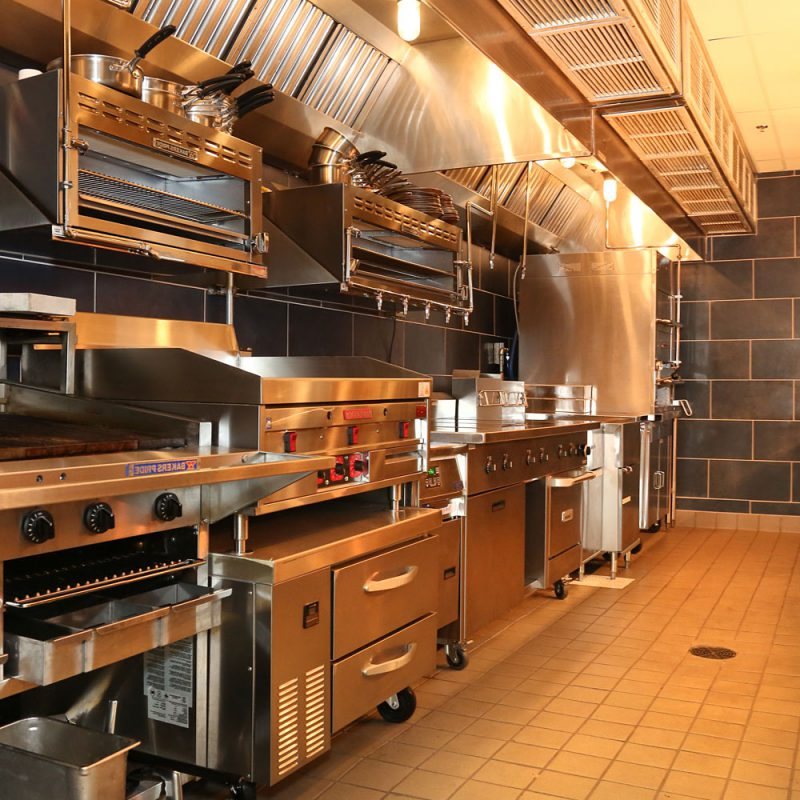
Many customers choose restaurants and hotels based on environmental practices. Adopting water-saving measures signals that your business is forward-thinking and responsible. By committing to more efficient practices, you contribute to preserving water supplies for the community and future generations.
Understanding Where Water Is Wasted
Common high-use areas in commercial kitchens
Dishwashing stations typically consume the most water…
The hidden costs of inefficient equipment
A spray valve that uses 15 litres a minute…
Staff habits that drive up water bills
It is common to see taps left running…
Conducting a Water Usage Audit
Before you can reduce consumption, you need a clear picture of where and how water is being used.
Tracking water usage across kitchen processes
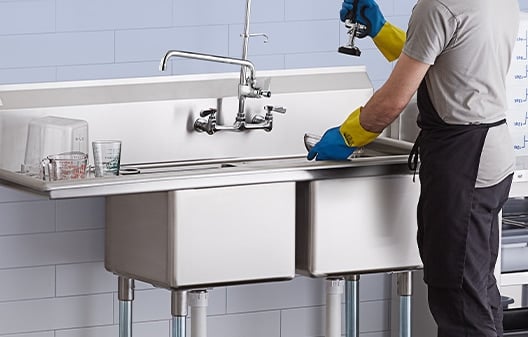
Install sub-meters or smart monitoring devices…
Identifying leaks and hidden waste
Leaks can go unnoticed for months…
How leak detection services can help
Specialist services use advanced tools like thermal imaging…
Investing in Water-Efficient Equipment
Benefits of low-flow taps and pre-rinse spray valves
Switching to low-flow models can cut water usage by up to 60%…
Commercial dishwashers with water-saving cycles
Modern dishwashers recycle rinse water…
Maintenance schedules to keep equipment efficient
Even the most efficient equipment will waste water…
Staff Training and Best Practices
Educating staff on water-saving techniques
Staff should understand that water conservation is part of their role…
Creating daily water checklists
A simple daily checklist keeps water-saving practices front of mind…
Incentivising conservation in the workplace
Offer recognition or small rewards…
Preventing Leaks Before They Start
Signs your kitchen may have a leak
Unexplained spikes in water bills, damp patches…
Using regular leak detection checks
Proactive inspections by professionals…
Slab leak prevention for commercial kitchens
In premises with concrete flooring…
Smart Technology for Water Monitoring
IoT-enabled water management systems
Internet-connected devices monitor usage in real time…
Automatic shut-off systems in case of leaks
Shut-off valves linked to sensors can stop the flow instantly…
Real-time monitoring dashboards
Dashboards allow managers to compare usage…
Seasonal Maintenance for Water Efficiency
Preparing for peak business periods
Increased demand means higher water use…
Summer checks to avoid hidden leaks
Heat expansion in pipes can lead to small undetected leaks…
Winterising your kitchen plumbing
Cold weather can cause pipes to contract…
Reusing and Recycling Water Where Possible
Greywater systems for non-potable use
These systems collect water from sinks and dishwashers…
Using rinse water for pre-soaking dishes
By reusing rinse water for soaking…
Partnering with sustainability programs
Work with local or national conservation programs…
Creating a Long-Term Water Management Plan
Setting measurable conservation goals
Examples include reducing water use by 10%…
Reviewing water bills for ongoing savings
Compare monthly figures and investigate unusual increases…
Scheduling regular maintenance with professionals
Routine servicing helps extend the life of your plumbing…
Case Studies of Water Savings in Commercial Kitchens
Restaurant example: cutting water use by 30%
A Dubai-based restaurant upgraded its equipment…
Hotel kitchen example: smart leak detection in action
A hotel installed IoT sensors that caught a burst at 2am…
The Business Benefits of Water Conservation
Lower operating costs
Every litre saved directly reduces utility expenses…
Improved public image
Promoting water-saving measures can attract eco-conscious customers…
Compliance with environmental regulations
Meeting or exceeding regulatory standards…
Final Steps to Implement Water Conservation Today
Quick wins you can apply immediately
- Install aerators on taps
- Replace worn washers
- Train staff to turn off taps
- Run dishwashers only on full loads
Planning for larger investments
Budget for future upgrades like smart monitoring…
FAQs
1. How much water can a commercial kitchen save with efficient equipment?
Up to 50%, depending on usage and equipment.
2. Should I replace all my equipment at once?
No. Start with high-use items.
3. How often should leak checks be done?
Monthly inspections are ideal.
4. Are smart water monitoring systems worth it?
Yes, they prevent costly damage and offer insights.
5. Can staff training alone reduce water usage?
Yes, but equipment upgrades help maximize savings.