
PREMIER LEAK INSPECTION SERVICE
FOR
Tenants
For tenants, leak problems are not just a maintenance inconvenience. They affect daily life. Damp rooms, mould spots, damaged paint, watermarks, and recurring moisture can make a home uncomfortable and stressful to live in. If the source is hidden, it can also take longer to fix unless the problem is properly inspected.
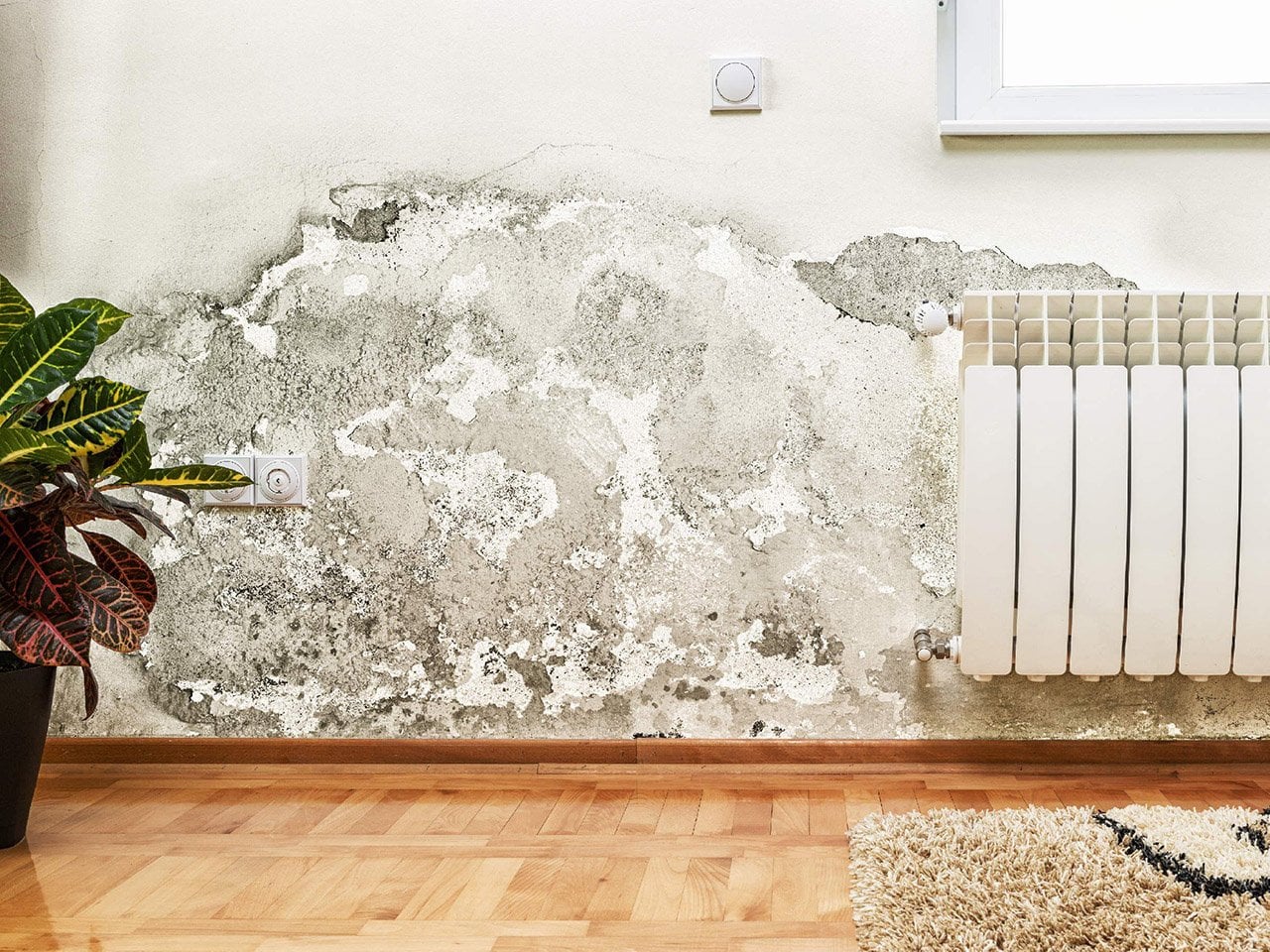
If you are renting a property and dealing with a leak that has not been properly resolved, this service helps bring clarity to the situation and move the repair process forward.
Tenants are often the first to notice the signs. Because you live in the space every day, you are more likely to spot small changes early, such as:
● A new damp smell
● Paint bubbling near the ceiling
● A wall stain is getting darker
● Water is collecting in a corner
● Mould returning after cleaning
● A bathroom area that never fully dries
The challenge is that these signs do not always reveal the actual source. Water can travel behind surfaces before appearing where you can see it. That means the visible issue may be far from the origin of the leak.
Professional leak detection helps identify the likely source of the problem, allowing repairs to be carried out more accurately.
Key Benefits for Tenants
Supports clearer communication with landlords or building management
Reduces repeat repair visits that do not solve the issue
Helps identify hidden moisture sources
Minimises unnecessary disruption in the home
Helps you explain the issue with more confidence
Supports faster progress towards a proper repair

For tenants, the goal is simple.
You want the problem fixed properly so your home can return to being dry, safe, and comfortable.
Common Residential Leak Issues Tenants Face
Here are the most common problems we see in rented residential properties.
Damp Smell That Keeps Coming Back
This is common near:
● Bathrooms
● AC units
● Kitchens
● Window surrounds
● External walls
● Ceiling corners
If the smell returns after cleaning or airing out the room, there may be an active leak or water ingress issue.
Stains on Walls or Ceilings
The source could be:
● Plumbing in a wall or floor
● Bathroom waterproofing failure
● AC condensate issues
● Roof or terrace leak
● Window or façade ingress
● Leak from a neighbouring unit
Mould Spots and Recurring Moisture
If mould keeps returning in the same place after cleaning, leak inspection is worth considering, especially when paired with stains, damp smell, or soft wall finishes.
Repeated Maintenance Visits With No Lasting Result
● Repaint the area
● Replace sealant
● Patch plaster
● Clean mould
● Do a surface-level fix
If the source has not been traced properly, the issue often returns. Leak detection helps shift the process from guessing to evidence-based inspection.
Our Leak Detection Approach for Tenants
Step 1: Understand the Symptoms
● Where do you see the damage?
● When did it start?
● Is it getting worse?
● Does it change after shower use, AC use, rainfall, or certain times of day?
● Has maintenance already attended?
● What has been repaired so far?
This helps narrow the inspection and build a clearer picture of the issue.
Step 2: Non-Invasive Leak Inspection
We may inspect around:
● Bathrooms and showers
● Kitchens
● AC systems and drainage
● Internal plumbing routes
● Windows and doors
● Ceilings and wall lines
● External-facing surfaces (where accessible)
● Adjacent areas linked to the visible damage
The aim is to identify the likely origin point and water path without unnecessary opening of finishes.
Step 3: Clear Findings You Can Use
● Your landlord
● Building management
● Maintenance teams
● Facilities teams (in some buildings)
We focus on practical explanation, not technical jargon. That makes it easier for the next step to happen, which is proper repair.
Types of Residential Properties We Support
Tenants
Apartment leak issues can be complex because multiple systems and neighbouring units may be involved. Water may travel between units, risers, slab levels, or façade details before becoming visible inside your home.
This makes proper inspection especially important.
Tenants
In villas, leaks may originate from internal plumbing, bathrooms, roofs, external walls, irrigation systems, or AC systems. These properties can have more potential leak sources, which is why targeted detection is useful when symptoms are unclear.
and
Multi-Occupancy Units
In homes with multiple occupants, plumbing fixtures, bathrooms, kitchens, and AC systems are used more frequently. Early identification helps reduce disruption to daily routines.
Helpful Things to Note
● Where the damage first appeared
● Whether it gets worse after showering, AC use, or rain
● Photos taken over several days
● Dates of previous maintenance visits
● What repairs were attempted
● Any new smells, mould, or damp patches nearby
This information helps build a clearer timeline and can make it easier to track the source.
LeakDtech’s residential leak detection service helps tenants move from repeated complaints and temporary fixes to clearer answers and better next steps. The goal is not just to patch the symptom. The goal is to help identify the source so the problem can be addressed properly.
Signs Tenants Should Not Ignore
Paint bubbling or peeling
We help tenants and property stakeholders understand what is happening, where the issue may be coming from, and what needs to happen next.
I keep reporting it but it is never fully fixed.
Leak detection helps identify what may actually be causing the issue so the repair team can work on the right area.
I am worried the damage is getting worse.
I do not know if the problem is inside my unit or coming from somewhere else.
Leak issues may come from:
● The unit above
● Shared plumbing lines
● Building services
● Façade or window ingress
● AC drainage systems
A focused inspection can help determine whether the source is likely internal or linked to another area.
Will this mean they have to break the wall immediately?
The inspection process is designed to identify the likely source first and reduce random or unnecessary damage. Any intrusive repair decision should be made after inspection findings are reviewed.
Testimonials
LeakDtech Have Delivered Client Solutions For