PREMIER LEAK INSPECTION SERVICE
FOR
Midstream Operations
In midstream petrochemical settings, leaks can affect utility systems, support buildings, drainage networks, storage areas, and buried service routes. Symptoms may appear in one location while the source sits somewhere else entirely. This can slow repairs, increase downtime, and lead to repeated maintenance work if fault-finding is not handled properly.
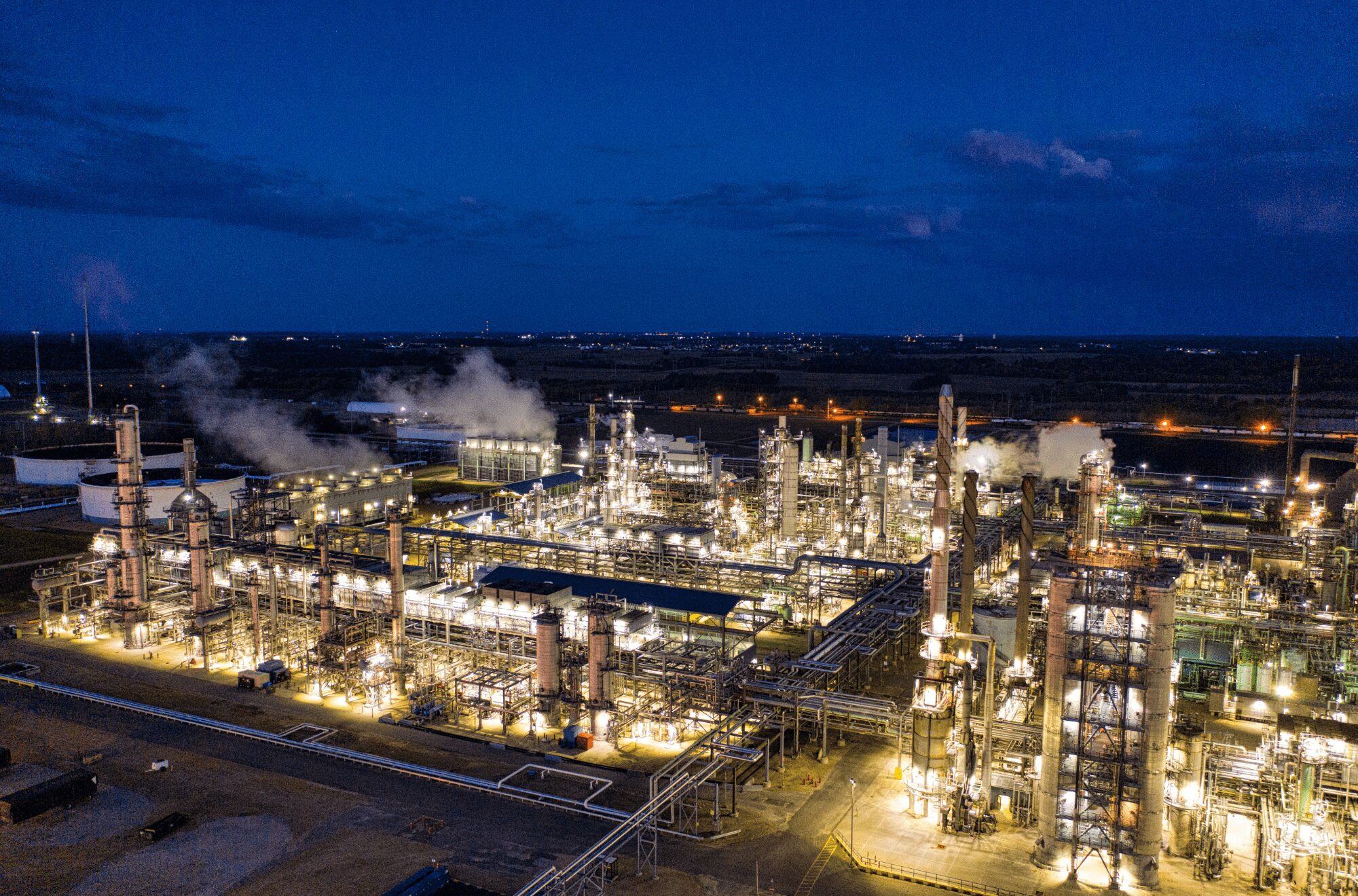
If your midstream facility is dealing with recurring water leaks, ingress, or unexplained water loss, professional leak detection helps improve response time and repair precision.
Why Midstream Petrochemical Environments Need Professional Leak Detection
These facilities may include:
● Storage infrastructure
● Transfer zones
● Utility networks
● Support buildings
● Service corridors
● Pump and control areas
● Drainage and external route systems
Leaks in these environments can be difficult to isolate because water may travel through buried runs, slab edges, cable corridors, drainage channels, or building penetrations before becoming visible. The result is often a delay. Teams may focus on the visible damage, patch surfaces, or inspect the wrong section of infrastructure while the actual source remains active.
Professional leak detection helps reduce this cycle by narrowing the source zone and identifying the likely cause before intrusive repair work begins.
Key Benefits for Midstream Operations
Reduce time spent tracing hidden leaks across large sites
Improve repair planning and contractor scope
Limit unnecessary excavation or intrusive work
Reduce repeat maintenance call-outs
Protect buildings, utility systems, and site infrastructure
Support safer site conditions in wet or affected zones
Help maintain operational continuity with faster diagnosis
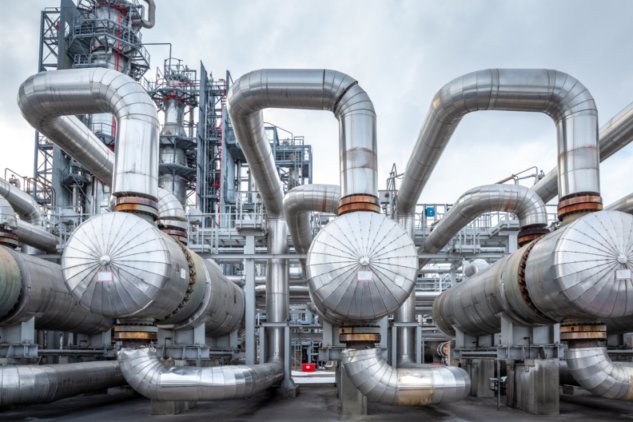
For midstream operations, leak detection supports efficient site management and better maintenance outcomes.
Common Petrochemical Leak Problems Midstream Sites Experience
Midstream facilities face a range of leak and moisture risks linked to infrastructure scale and connected systems.
Buried Service and Utility Route Leaks
Common indicators include:
● Water loss with no obvious source
● Pressure changes
● Saturated ground near routes
● Local pooling around structures
● Dampness at slab edges
● Recurring wet patches in access areas
● Higher-than-expected utility use
Without targeted detection, isolating the fault can take significant time and labour.
Ingress Into Buildings and Operational Support Areas
Water ingress can affect:
● Internal walls and ceilings
● Electrical and control areas
● Equipment rooms
● Workstations
● Stores and supplies
● Insulation and internal finishes
A leak inspection helps trace the path of water and distinguish between roof ingress, façade issues, and service-related leaks.
Drainage Failures and Surface Water Accumulation
These problems are often treated as surface drainage issues when the real cause is hidden failure or leakage in the route.
Leaks Around Pumps, Transfer Support Areas, and Utility Installations
Leak detection helps narrow the affected area and improve the efficiency of follow-on inspection and repair.
Our Leak Detection Approach for Midstream Petrochemical Operations
We work with a focused approach designed to support maintenance and operations teams without unnecessary disruption.
Step 1: Issue Review and Site Context
● Where the issue is visible
● Whether it is constant or intermittent
● Utility usage or pressure changes
● Recent repairs or works
● Access constraints and operational priorities
● Weather links or timing patterns where relevant
This helps us narrow the likely source categories before inspection begins.
Step 2: Targeted Non-Invasive Leak Inspection
Inspection may focus on:
● Buried service routes
● Building ingress paths
● Utility and support zones
● Pump and transfer-adjacent areas
● Slab edges and surface moisture paths
● Drainage routes and local saturation points
● Roofs, penetrations, and external junctions
The objective is to identify the likely origin point and water path so repairs can be targeted.
Step 3: Clear Findings and Next Actions
We typically outline:
● Likely source zone
● Suspected cause type
● Affected area observations
● Priority based on operational impact
● Recommended next repair or contractor action
This improves handover between inspection, maintenance, and repair teams.
Types of Petrochemical Stakeholders We Support
Managers
and
Engineers
Teams
and
Site Operators
If left unresolved, they can lead to:
● Ongoing water loss
● Damage to site surfaces and structures
● Unsafe wet areas and access risks
● Larger repair scope and longer downtime
● Repeat contractor visits and wasted spend
● Disruption across connected support functions
Early leak detection improves the first response and helps teams act before the issue spreads further.
Signs Midstream Petrochemical Sites Should Not Ignore
LeakDtech’s leak detection service for midstream operations helps site teams identify hidden leaks and moisture issues faster, reduce unnecessary disruption, and support more accurate repair decisions.
If your facility is dealing with recurring leaks, ingress, water loss, or concealed infrastructure problems, we can help identify the source and guide the next step with clarity.
Testimonials
LeakDtech Have Delivered Client Solutions For