PREMIER LEAK INSPECTION SERVICE
FOR
Light Manufacturing
When leaks develop in a light manufacturing setting, the impact can spread quickly across production lines, storage areas, packaging zones, utility spaces, and staff working areas. Even a small hidden leak can cause delays, product risk, surface damage, slip hazards, and repeated maintenance issues if the source is not identified correctly.
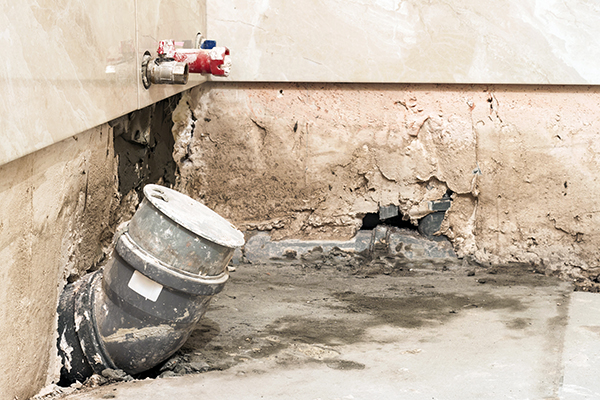
If you operate a light manufacturing site, leak detection gives you a clearer route to repair and helps protect continuity across day-to-day operations.
Why Light Manufacturing Sites Need Professional Leak Detection
The problem is that water damage is often treated as a surface problem at first. A wet patch gets cleaned. A stain gets painted. A seal is replaced.
Then the issue comes back.
This happens because the visible symptom is not always the source. Water can travel through ceilings, walls, utility runs, service voids, and floor levels before becoming visible in a production or storage area.
Professional leak detection helps your team identify what is likely causing the problem before time and budget are spent on the wrong repair.
Key Benefits for Light Manufacturing Facilities
Reduce disruption to production flow
Protect materials, packaging, and stored goods
Limit repeat maintenance work
Reduce unnecessary opening of walls or floors
Support safer working conditions
Improve speed and accuracy of repair decisions
Help prevent moisture damage spreading into adjacent areas
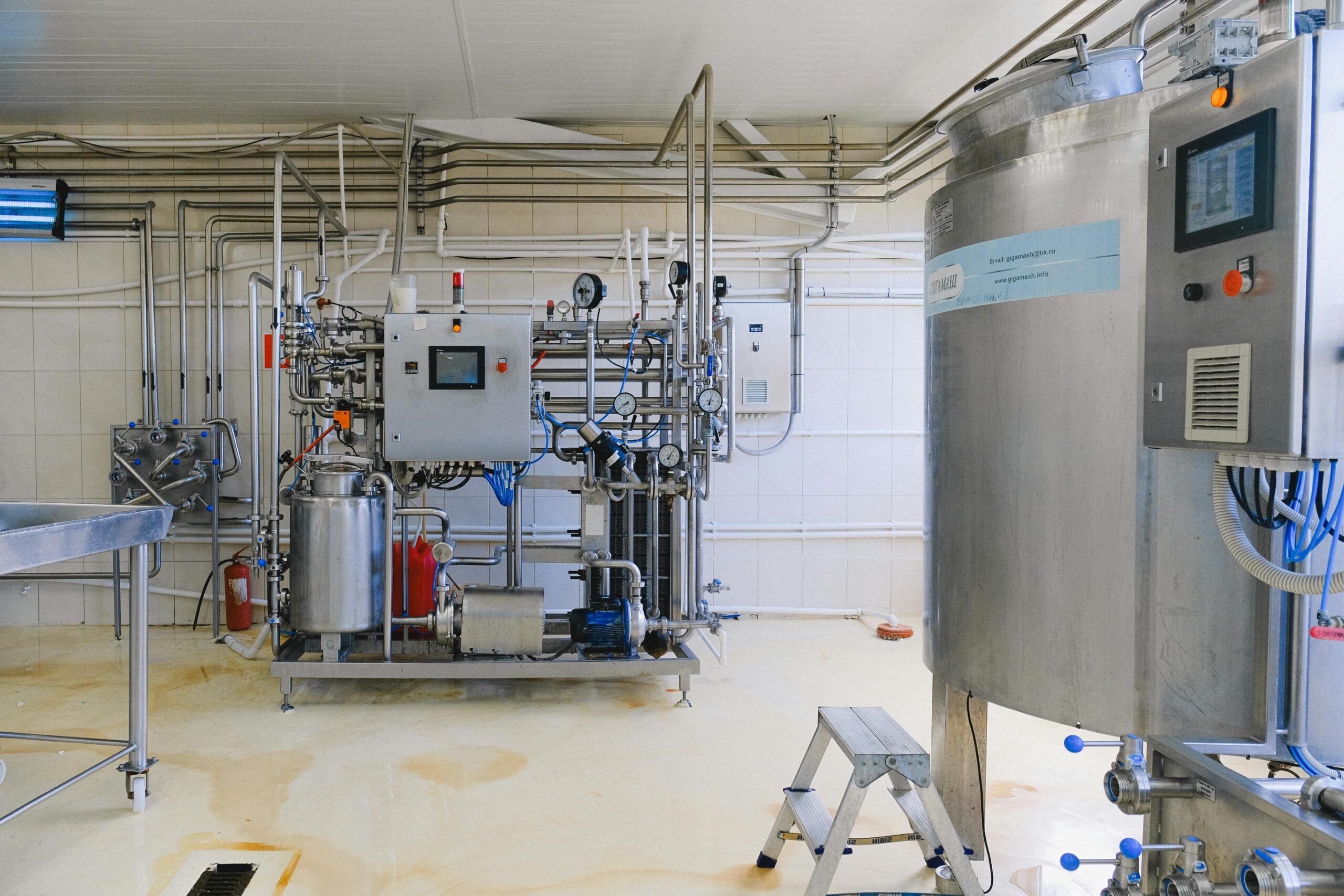
For light manufacturing, leak detection supports both facility reliability and operational efficiency.
Common Industrial Leak Problems Light Manufacturing Environments Experience
Light manufacturing sites can experience leaks from both internal services and building envelope issues.
Leaks Affecting Production Areas
Common sources include:
● Internal plumbing leaks
● AC condensate drainage issues
● Roof ingress
● Service line leaks above ceilings
● Adjacent wet area failures
● Overflow events from utility spaces
When production is active, source identification needs to be fast and accurate.
Roof and Rainwater Ingress
Over time, roof detailing can fail due to wear, weather exposure, blocked drainage, or movement. Water may then travel along internal elements and appear far from the entry point.
This can affect:
● Production lines
● Packaging stations
● Finished goods storage
● Electrical fittings
● Ceiling systems
● Wall finishes
A proper inspection helps trace the water path and narrow the origin.
Leaks in Utility and Service Areas
By the time signs appear in an adjacent room, the leak may have been active for some time.
Leak detection helps identify whether the problem is linked to plumbing, drainage, AC systems, or building ingress, which improves handover to the correct repair team.
External Pipework and Ground Saturation
These issues are often missed until visible damage appears inside.
Our Leak Detection Approach for Light Manufacturing
Our approach is focused on fast understanding, targeted inspection, and clear findings.
Step 1: Review the Issue and Site Context
● What symptoms have been observed
● Where the issue appears
● Whether it is constant or linked to rain, AC use, or process activity
● Any recent maintenance or repair work
● Areas that are sensitive to downtime
● Access windows and operational constraints
This allows us to target the inspection and minimise disruption.
Step 2: Non-Invasive Leak Detection Inspection
Inspection may focus on:
● Production and packaging areas
● Roof-related ingress paths
● Ceiling voids and service routes
● Utility rooms and adjacent walls
● Wet areas and drainage points
● External perimeters and service entries
● Floor-level moisture spread zones
Our goal is to identify the likely leak source and water path without unnecessary invasive works.
Step 3: Clear Reporting and Next Steps
We help clarify:
● Likely source location
● Affected area extent
● Suspected cause category
● Priority for repair action
● Which contractor type may be required next
This reduces delays and helps your site coordinate the right response.
Managers
Managers
Teams
and
Industrial Unit Operators
For example, recurring leaks may lead to:
● Relocation of workstations
● Delayed production runs
● Packaging material damage
● Increased cleaning requirements
● Temporary shutdown of affected zones
● Staff complaints in damp or unsafe areas
By identifying the source properly, your team can solve the issue faster and avoid repeated disruption.
Signs Light Manufacturing Sites Should Not Ignore
LeakDtech’s industrial leak detection service for light manufacturing helps site teams identify hidden leaks and moisture issues with minimal disruption, so repairs can be targeted and operations can continue with greater confidence.
If your facility is dealing with repeated leaks, water ingress, or unexplained moisture in production, packaging, or utility areas, we can help you pinpoint the source and support the next step.
Testimonials
LeakDtech Have Delivered Client Solutions For