PREMIER LEAK INSPECTION SERVICE
FOR
High Tech Industries
In high tech environments, water and moisture problems must be handled quickly and accurately. A small hidden leak can lead to equipment exposure, environmental instability, surface damage, workflow interruption, and costly investigation time if the source is not correctly identified.
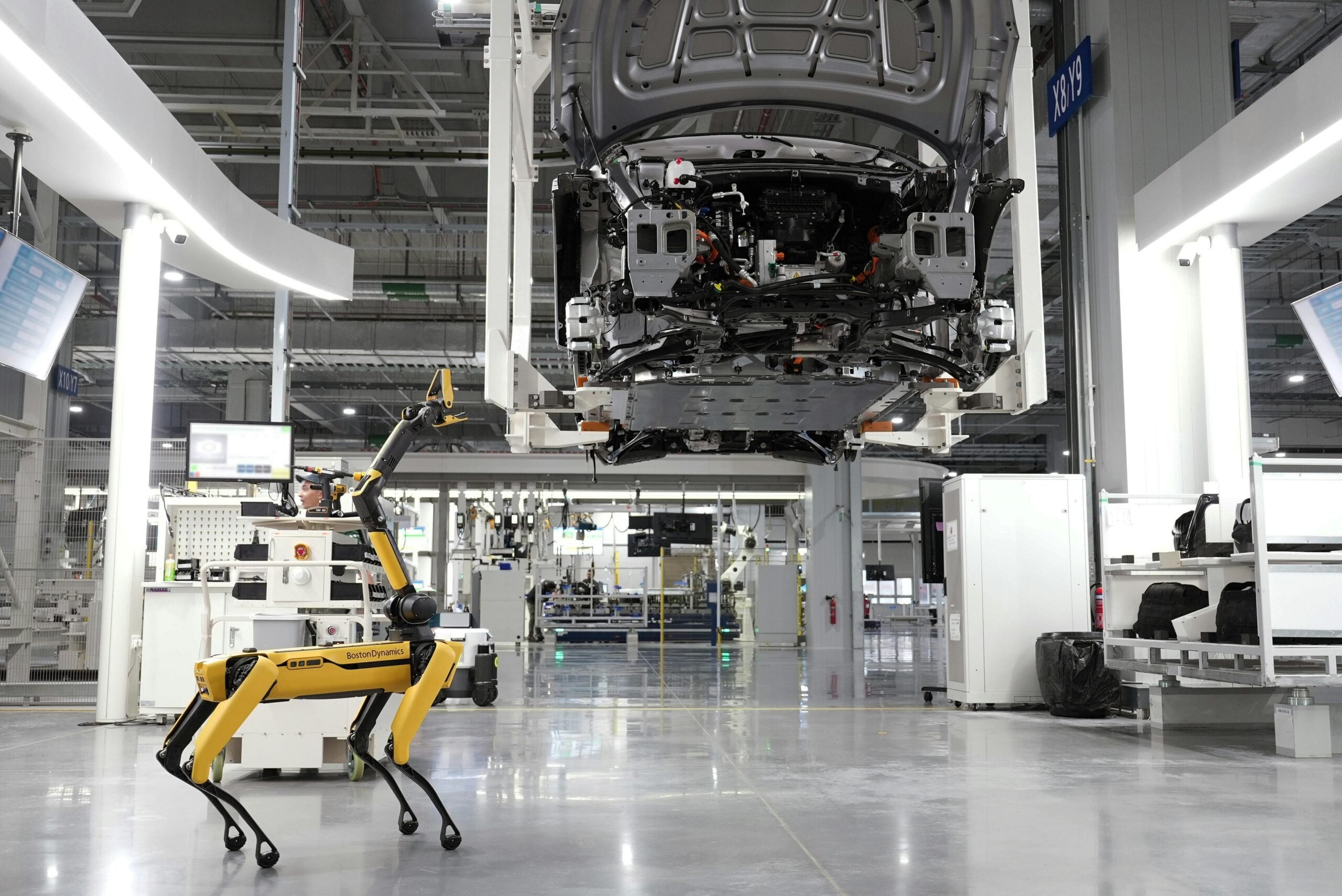
If your operation depends on stable conditions and reliable infrastructure, professional leak detection is a critical support service.
Why High Tech Facilities Need Professional Leak Detection
They often include:
● Sensitive equipment
● Controlled rooms or zones
● Raised floors or service voids
● Dense infrastructure routing
● Cooling systems and condensate management
● Specialist environmental requirements
● Higher consequences for downtime
This means a leak cannot be treated as a basic maintenance issue. The visible sign might be small, but the risk behind it may be significant.
Water can move through service routes, cable pathways, ceiling systems, and concealed infrastructure before becoming visible. By the time a stain appears, the source may already have affected a wider area.
Professional leak detection helps isolate the cause faster and supports a more controlled response.
Key Benefits for High Tech Facilities
Reduce risk to sensitive equipment and infrastructure
Protect controlled environments from hidden moisture
Minimise downtime and disruption to critical operations
Reduce trial-and-error maintenance works
Limit unnecessary opening of finishes or access systems
Support faster escalation to the correct repair team
Improve incident response with clearer findings
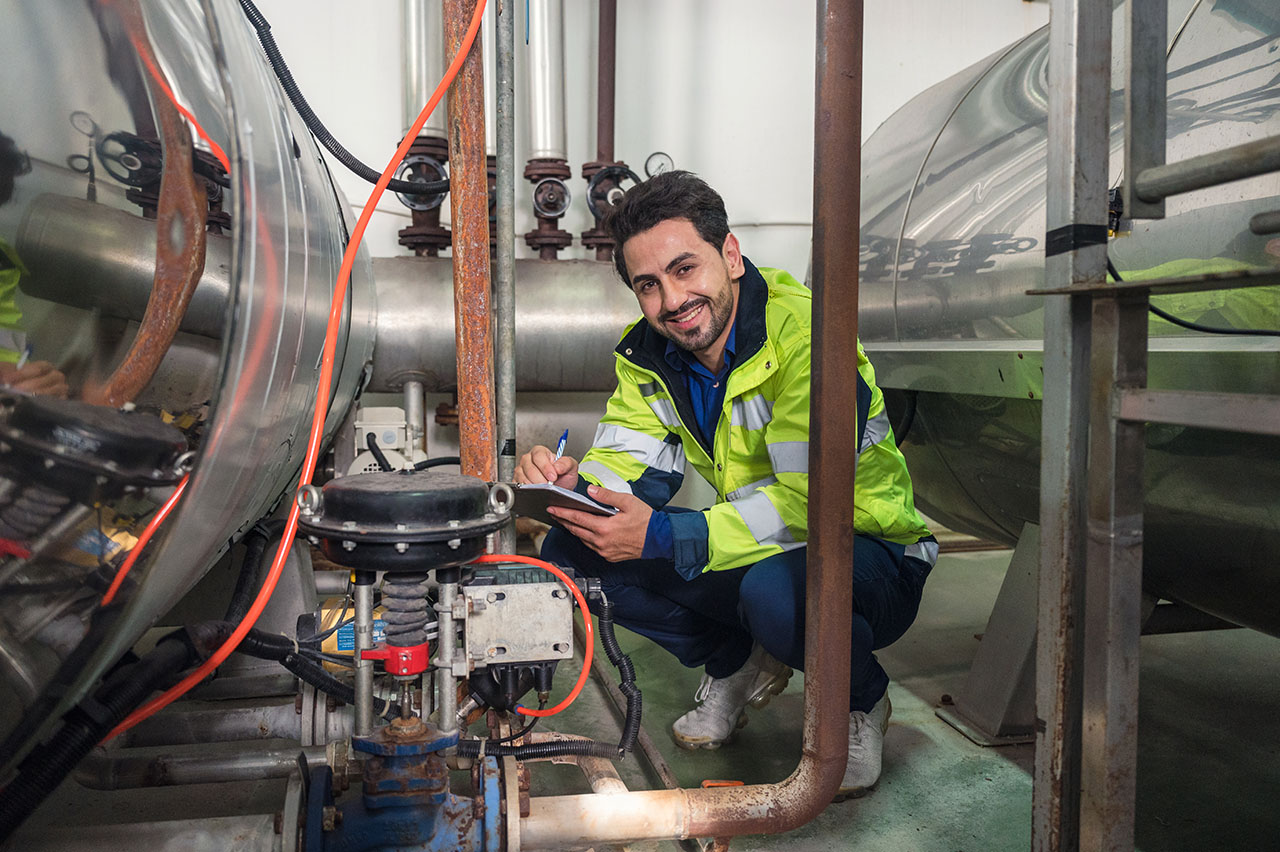
In high tech industries, speed matters, but accuracy matters just as much.
Common Industrial Leak Problems High Tech Environments Experience
High tech facilities can experience leaks from a range of building and service systems, many of which are concealed.
Cooling and Condensate-Related Leaks
These leaks may present as:
● Drips near service zones
● Ceiling stains
● Moisture near plant connections
● Water beneath raised flooring areas
● Local humidity issues in specific zones
Because cooling systems can run continuously, small leak issues may persist unnoticed until symptoms worsen.
Concealed Plumbing and Service Route Leaks
When a leak develops, teams may notice:
● Moisture readings or alarms
● Damp odours
● Surface staining
● Water near cable routes
● Localised humidity changes
● Intermittent wet patches
Leak detection helps narrow the fault area before intrusive investigation begins.
Roof, Façade, and Envelope Ingress
Roof penetrations, façade joints, window systems, and drainage details can allow water ingress, especially during heavy rain or when maintenance wear accumulates over time.
In high tech environments, ingress can be especially disruptive because water may enter above critical zones and travel through concealed structures before detection.
Leaks in Support Spaces That Affect Critical Zones
What starts in a non-critical room may migrate into a sensitive space if not traced quickly.
This is why accurate leak source identification is important even when visible damage seems limited.
Our Leak Detection Approach for High Tech Industries
Our inspection process is designed to support fast diagnosis while respecting access controls and operational sensitivity.
Step 1: Incident Review and Risk Context
● Where the problem was first observed
● Whether sensitive equipment or critical processes are nearby
● When symptoms occur
● Links to cooling cycles, rainfall, or system use
● Previous maintenance attempts
● Access limitations and site protocols
This allows us to plan a targeted inspection and prioritise the most relevant risk areas.
Step 2: Targeted Non-Invasive Leak Detection
Depending on the facility and symptoms, inspection may cover:
● Cooling and condensate routes
● Ceiling voids and wall cavities
● Raised floor or underfloor service areas
● Utility and plant-adjacent spaces
● Roof and ingress pathways
● Penetration points and service entries
● Internal plumbing and drainage routes
The objective is to identify the likely source and water path as accurately as possible while protecting the operating environment.
Step 3: Clear Findings for Fast Action
We outline:
● Likely source zone
● Suspected cause type
● Affected area observations
● Priority considerations based on operational sensitivity
● Recommended next repair or investigation step
For high tech sites, this clarity can significantly reduce response time and exposure risk.
and
Building Services Teams
and
Technical Managers
Engineers
and
Specialist Operators
A leak that seems minor may lead to:
● Moisture exposure near sensitive systems
● Escalation into controlled spaces
● Corrosion or material degradation
● Environmental instability in specific zones
● Unplanned downtime for inspection or repair
● Costly internal investigation and reinstatement works
● Repeated disruption caused by misdiagnosed faults
Early detection improves your ability to contain the issue, protect critical areas, and repair the right point first.
Signs High Tech Facilities Should Not Ignore
LeakDtech’s industrial leak detection service for high tech industries is built to help you identify hidden leaks and moisture risks quickly, reduce disruption to sensitive operations, and support more accurate repairs.
If your site is experiencing recurring leaks, condensate issues, ingress, or unexplained moisture in technical or controlled spaces, we can help pinpoint the source and guide the next step.
Testimonials
LeakDtech Have Delivered Client Solutions For