PREMIER LEAK INSPECTION SERVICE
FOR
Heavy Industry
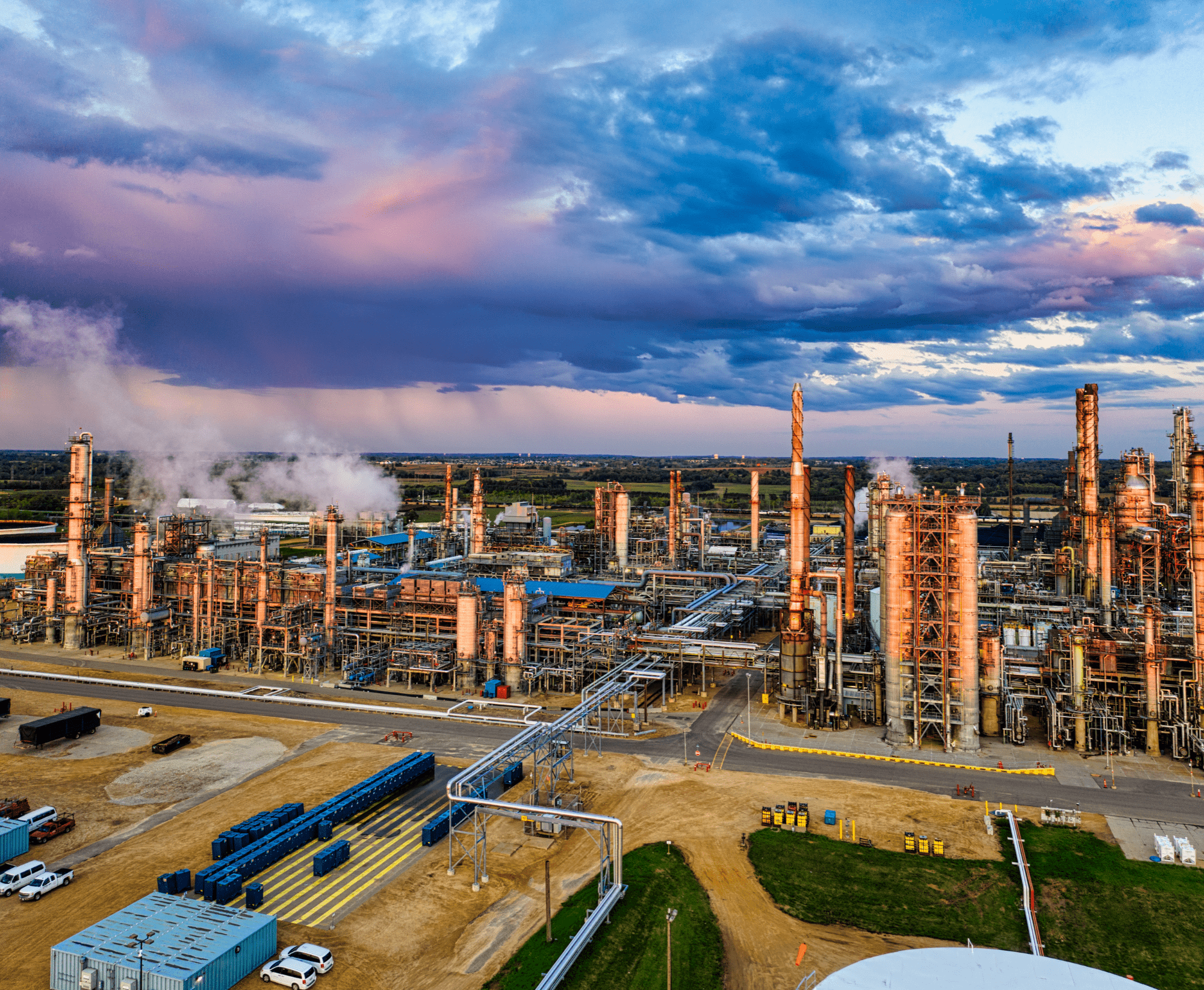
Heavy industry runs on uptime. When large-scale facilities experience water leaks, fluid ingress, or hidden pipework failures, the impact is rarely small. What starts as a minor issue can affect production continuity, safety conditions, equipment performance, structural integrity, and maintenance budgets.
In heavy industrial environments, leak problems can be harder to detect and more expensive to ignore. Pipe networks are larger, access can be restricted, equipment is more complex, and water or fluid movement may travel across long distances before signs appear.
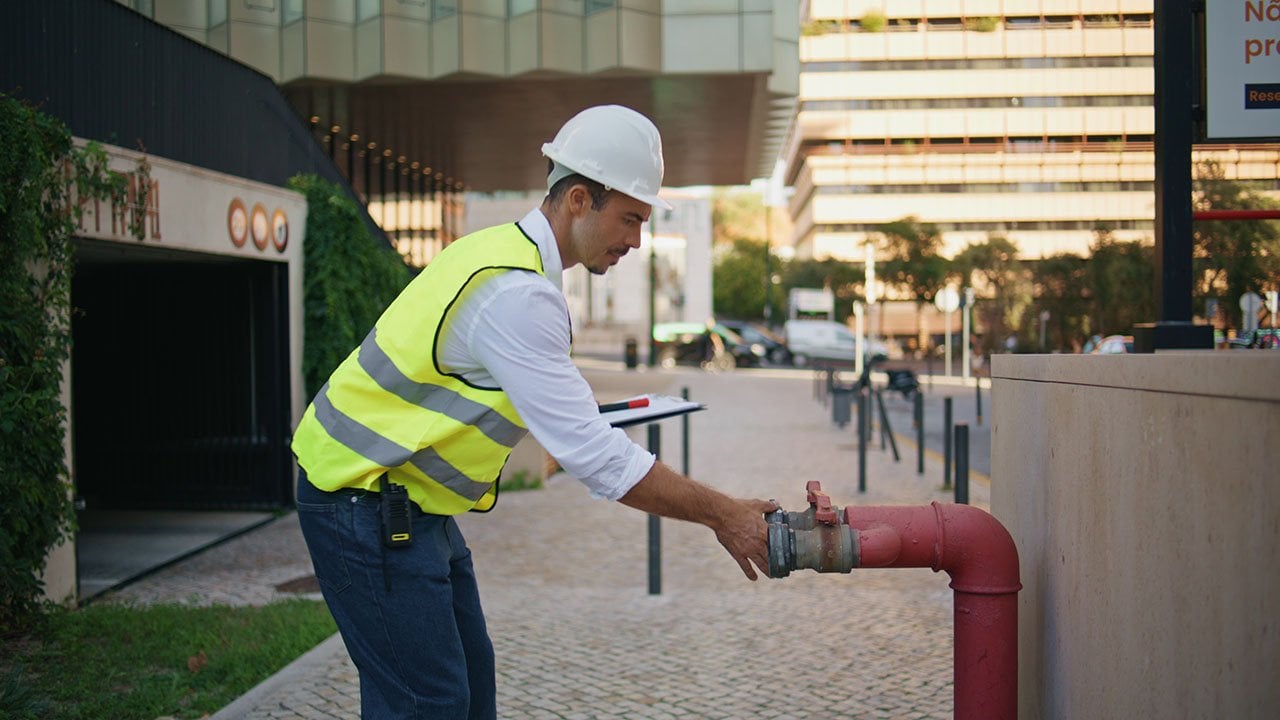
At LeakDtech, we provide industrial leak detection services for heavy industry sites that need accurate fault finding, minimal disruption, and a practical path to repair. Our approach is focused on identifying the source of leaks and moisture-related issues as efficiently as possible, helping operations teams avoid unnecessary downtime and reduce trial-and-error repairs.
If you manage, operate, or maintain a heavy industrial facility, professional leak detection helps you move faster from problem to solution.
Why Leak Detection Matters in Heavy Industry
Heavy industrial sites depend on coordinated systems. Water supply lines, process support systems, drainage routes, cooling infrastructure, tanks, pumps, and service networks all need to function reliably. When a leak develops in one area, it can create knock-on effects across the site. The challenge is that visible water is not always the source.
In heavy industry, leaks may travel through trenching, service corridors, floor slabs, wall penetrations, insulated lines, or underground routes before they become obvious. This often leads to guesswork. A team may repair what they can see, only to find the issue returns because the source sits elsewhere in the system.
Professional leak detection reduces this risk by helping maintenance and facilities teams identify the likely origin point before intrusive work begins.
Key Benefits for Heavy Industry Facilities
Reduce unplanned downtime linked to leak-related issues
Limit unnecessary excavation or opening of surfaces
Improve maintenance planning and repair scope
Reduce repeat call-outs for the same problem
Protect infrastructure, equipment zones, and building fabric
Support safer working conditions in affected areas
Improve response times with clearer fault identification
For heavy industry, leak detection is not just maintenance support.
It is a practical part of risk control and operational continuity.
Common Industrial Leak Problems Heavy Industry Environments Experience
Underground and Concealed Pipework Leaks
Typical warning signs include:
● Unexplained water loss
● Persistent wet ground
● Pressure drops
● Damp areas in unexpected locations
● Standing water near service routes
● Repeated pump cycling
● Rising utility consumption
Without targeted detection, teams may spend significant time manually tracing the problem.
Roof and Structural Water Ingress
This can affect:
● Production spaces
● Storage zones
● Electrical areas
● Control rooms
● Structural steel elements
● Internal finishes and insulation
Ingress issues are often misidentified because water may travel far from the entry point before becoming visible.
Cooling and Support System Leaks
These issues can be difficult to isolate when systems run continuously and multiple lines operate in parallel.
Leak detection helps narrow the affected zone so maintenance teams can inspect and repair with greater precision.
Drainage and Wastewater Route Failures
In industrial settings, drainage routes may be extensive and complex, which makes source identification more difficult without a structured inspection process.
Our Leak Detection Approach for Heavy Industry
We work to identify the likely source of the issue while respecting site procedures, access requirements, and the need to minimise disruption to operations.
Step 1: Site Issue Review
● Where the issue is visible
● When it was first noticed
● Whether the issue is constant or intermittent
● Utility or system performance changes
● Previous repairs or maintenance attempts
● Access restrictions and operational priorities
This stage helps shape the inspection plan and reduces wasted time on site.
Step 2: Targeted Non-Invasive Inspection
Depending on the problem, inspection may focus on:
● Service routes and pipe corridors
● Floor slabs and trench areas
● Roofs and rainwater paths
● Equipment-adjacent service lines
● Tank and pump support zones
● Penetrations and junction points
● External buried lines and site edges
The objective is to narrow down the source area and identify the most likely cause before intrusive repair work is authorised.
Step 3: Findings and Repair Direction
This may include:
● Likely source zone
● Water path observations
● Suspected system or component involvement
● Priority level based on impact
● Recommended repair trade or next investigation step
This supports maintenance planning and helps internal teams or external contractors work more efficiently.
Types of Industrial Stakeholders We Support
Managers
and
Engineers
Teams
and
Asset Managers
Even when the initial issue looks manageable, delay can lead to:
● Progressive building damage
● Corrosion and material degradation
● Equipment area contamination or moisture exposure
● Slips and safety risks
● Larger repair scope
● Operational interruptions
● Higher labour and contractor costs
Early leak detection does not remove all repair costs, but it improves the chances of solving the issue with less disruption and less wasted spend.
Signs Heavy Industry Sites Should Not Ignore
LeakDtech’s industrial leak detection service for heavy industry is built to help maintenance and operations teams identify hidden leaks faster, reduce unnecessary disruption, and move towards the right repair with better clarity.
If your site is dealing with recurring leaks, water ingress, unexplained water loss, or hidden moisture issues, we can help you pinpoint the problem and plan the next step with confidence.
Testimonials
LeakDtech Have Delivered Client Solutions For