PREMIER LEAK INSPECTION SERVICE
FOR
Downstream Operations
Downstream sites are often busy, interconnected, and infrastructure-dense. A visible wet area, stain, or moisture issue may be the result of a hidden leak travelling through pipe routes, service zones, floor systems, or building penetrations. Without proper detection, teams can lose time chasing symptoms while the root cause remains active.
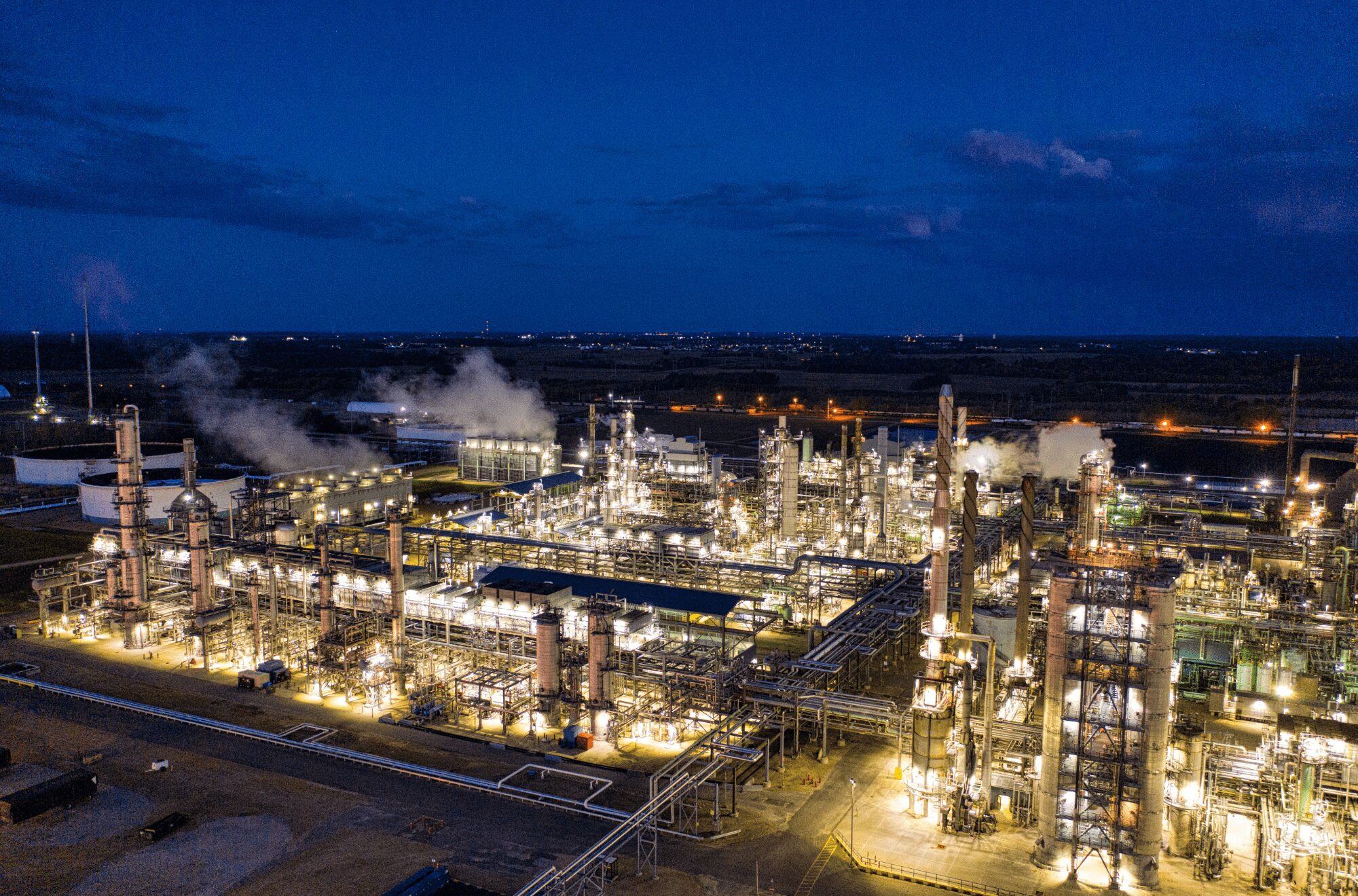
If your downstream facility is dealing with recurring water leaks, ingress, or unexplained moisture, professional leak detection helps protect uptime and improve maintenance efficiency.
Why Downstream Petrochemical Environments Need Professional Leak Detection
These environments may include:
● Processing support facilities
● Utility rooms and distribution systems
● Control spaces
● Workshops and plant support areas
● Storage and dispatch zones
● Drainage networks
● Roofed industrial buildings with multiple penetrations
Leaks in one part of the site can affect multiple functions if not controlled early. Water may travel along structural elements, service routes, ceilings, walls, and slab levels before it appears visibly. This creates a common problem. The symptom is clear, but the source is not.
Professional leak detection helps isolate the likely source and water path so your team can avoid unnecessary disruption and move straight to the right repair scope.
Key Benefits for Downstream Operations
Reduce downtime caused by repeated fault tracing
Improve repair accuracy across complex infrastructure
Limit unnecessary opening of walls, floors, or service areas
Reduce repeat maintenance works and contractor costs
Protect buildings, utilities, and support areas
Support safer conditions in affected zones
Improve response speed with clearer findings
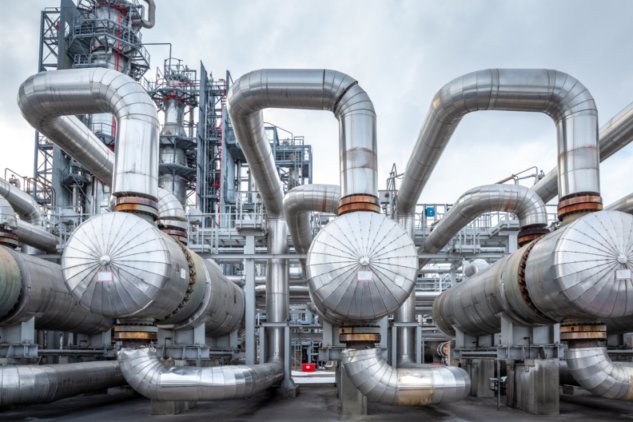
For downstream sites, leak detection supports operational continuity and better maintenance performance.
Common Petrochemical Leak Problems Downstream Sites Experience
Downstream facilities can face leak issues across both building systems and utility infrastructure.
Leaks in Utility and Service Infrastructure
Common signs include:
● Local wet patches
● Unexpected water usage increases
● Pressure drops
● Moisture around service corridors
● Dampness at slab edges or wall bases
● Recurring pooling near utility installations
These problems can be difficult to isolate when infrastructure is dense, and access is limited.
Roof and Building Envelope Ingress
Ingress may affect:
● Processing support spaces
● Workshops
● Electrical rooms
● Control areas
● Internal storage zones
● Wall and ceiling finishes
Water ingress can be misdiagnosed because the entry point is often not directly above the visible damage.
Drainage and Surface Water Failures
In downstream environments, this can affect movement routes, housekeeping, and safety conditions, especially if the issue recurs after rain or routine site activity.
Leaks Around Equipment Support Areas and Plant Rooms
A targeted leak detection inspection helps narrow the source zone and reduce unnecessary strip-out or exploratory work.
Our Leak Detection Approach for Downstream Petrochemical Operations
We focus on structured diagnosis and practical findings.
Step 1: Review the Issue and Operational Context
● Where the issue has been observed
● Whether the problem is constant or intermittent
● Links to rainfall, utility cycles, or specific operations
● Previous maintenance or repair attempts
● Utility usage trends where relevant
● Access windows and operational sensitivities
This gives us a clearer starting point and improves inspection efficiency.
Step 2: Targeted Non-Invasive Leak Detection
Depending on the issue, inspection may include:
● Utility and service routes
● Plant rooms and support areas
● Roofs and ingress pathways
● Drainage routes and wet zones
● Slab edges and internal moisture paths
● Building penetrations and junctions
● External perimeter and saturation areas
Our objective is to identify the likely source and water path so repairs can be planned correctly.
Step 3: Clear Findings and Repair Direction
We outline:
● Likely source zone
● Suspected cause category
● Affected area observations
● Priority based on operational impact
● Recommended next step for repair or further investigation
This helps reduce the delay between diagnosis and corrective work.
Types of Petrochemical Stakeholders We Support
Managers
and
Engineers
Teams
and
Site Operators
Delays can result in:
● Ongoing water loss and wasted utility spend
● Spread of moisture into adjacent spaces
● Damage to building fabric and finishes
● Increased slip and safety risks
● More intrusive repairs later
● Repeat call-outs and longer downtime
Early detection improves your ability to contain the issue and target repairs before the impact grows.
Signs Downstream Petrochemical Sites Should Not Ignore
LeakDtech’s leak detection service for downstream operations helps teams identify hidden leaks and moisture issues faster, reduce unnecessary disruption, and support more accurate repairs across complex sites.
If your downstream facility is dealing with recurring leaks, ingress, utility water loss, or unresolved moisture problems, we can help identify the source and guide the next step with clarity.
Testimonials
LeakDtech Have Delivered Client Solutions For