PREMIER LEAK INSPECTION SERVICE
FOR
Upstream Operations
In upstream environments, leaks are rarely straightforward. Pipework may run across wide areas, systems may be exposed to harsh conditions, access can be limited, and visible signs of water or moisture may appear far from the actual source. Delays in identifying the problem can lead to repeat failures, downtime, and unnecessary repair work.
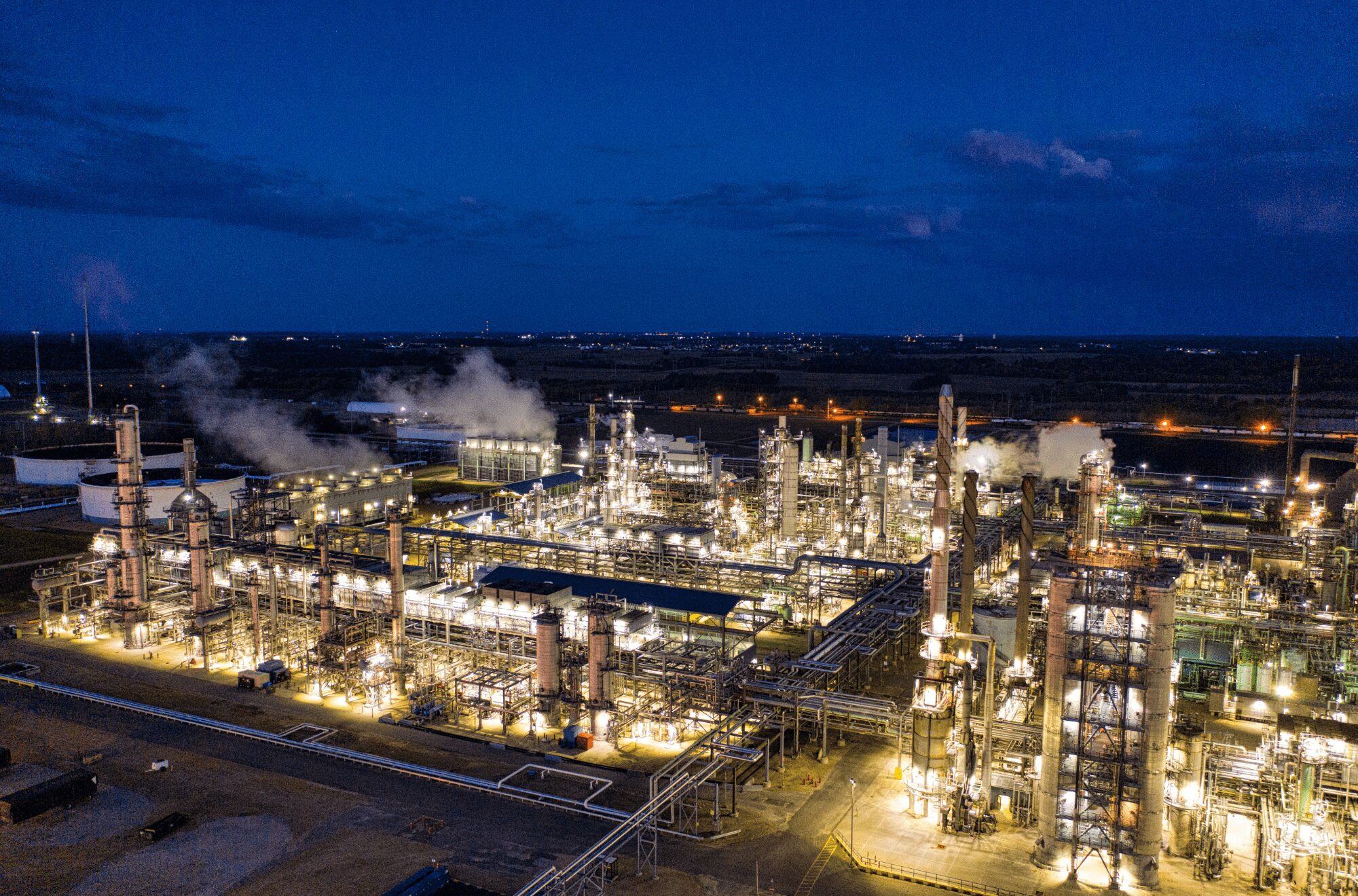
If your upstream site is dealing with recurring water leaks, ingress, or hidden service line issues, professional leak detection helps you protect uptime and improve repair accuracy.
Why Upstream Petrochemical Environments Need Professional Leak Detection
Water can travel through:
● Service corridors
● Buried pipe routes
● Slab levels
● Equipment bases
● Drainage channels
● Wall and roof penetrations
This can make the source difficult to isolate without a structured inspection.
Without proper leak detection, teams may end up repairing the wrong area, repeating the same work, or extending downtime while the real issue remains active.
Key Benefits for Upstream Operations
Reduce time lost to fault tracing and repeat repairs
Improve maintenance planning with clearer source identification
Limit unnecessary excavation or intrusive works
Help protect support infrastructure and buildings
Reduce disruption to operations and site access
Support safer working conditions in wet or affected areas
Improve response speed with practical findings
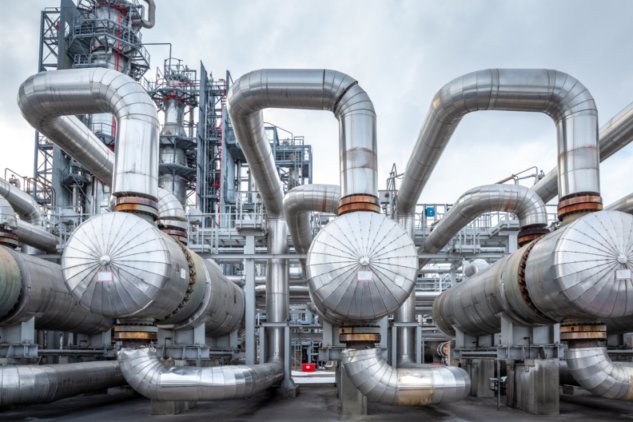
For upstream operations, leak detection supports both asset care and operational continuity.
Common Petrochemical Leak Problems Upstream Sites Experience
Leak issues in upstream petrochemical settings can affect both process support areas and wider facility infrastructure.
Buried and Concealed Utility Line Leaks
Common warning signs include:
● Unexplained water loss
● Pressure drops
● Wet ground in isolated areas
● Pooling near service routes
● Softening ground conditions
● Recurring damp patches near structures
● Higher-than-expected utility consumption
These issues can be difficult to trace manually without targeted leak detection.
Water Ingress Into Support Buildings and Control Areas
Water ingress can affect:
● Internal equipment areas
● Walls and ceilings
● Electrical rooms
● Workspaces
● Storage zones
● Finishes and insulation
Ingress issues are often misread because water can move from the entry point and appear elsewhere.
Drainage Route and Surface Water Problems
A structured leak inspection helps identify whether the issue is linked to damaged drainage, overflow, blocked routes, or hidden leakage.
Leaks Around Tanks, Pump Areas, and Service Zones
In these cases, a targeted inspection helps narrow the source zone so maintenance teams can act with less delay.
Our Leak Detection Approach for Upstream Petrochemical Operations
We work to identify the likely source of the issue while respecting site protocols, access procedures, and operational priorities.
Step 1: Site Review and Problem Assessment
● Where the issue is visible
● When it was first noticed
● Whether it is constant or intermittent
● Any recent maintenance or repair work
● Utility or pressure changes
● Access limitations and site priorities
This helps us shape the inspection and focus on the most likely source areas.
Step 2: Targeted Non-Invasive Leak Detection
Depending on the issue, the inspection may focus on:
● Buried service routes
● Utility corridors
● Support buildings
● Roof and ingress pathways
● Pump and tank support zones
● Drainage routes and slab edges
● External perimeter areas and wet zones
The goal is to identify the likely source and water path clearly enough to support the right repair decision.
Step 3: Clear Findings and Next-Step Guidance
This typically includes:
● Likely source zone
● Suspected cause category
● Affected area observations
● Priority level based on operational impact
● Recommended next repair or investigation step
This helps teams move faster from diagnosis to action.
Types of Petrochemical Stakeholders We Support
Managers
and
Engineers
Teams
and
Site Operators
Delays can lead to:
● Wider surface and structural damage
● Ongoing water loss and higher utility costs
● Unsafe access conditions
● Repeat contractor call-outs
● Larger repair scope
● Extended downtime in affected zones
Early leak detection helps reduce wasted time and money by improving the accuracy of the first response.
Signs Upstream Petrochemical Sites Should Not Ignore
LeakDtech’s leak detection service for upstream sites is designed to help teams identify hidden leaks faster, reduce unnecessary disruption, and support more accurate repairs across demanding operational environments.
If your site is dealing with recurring leaks, ingress, unexplained water loss, or concealed utility line issues, we can help identify the source and guide the next step with clarity.
Testimonials
LeakDtech Have Delivered Client Solutions For