
Slab leaks can cause extensive damage if not detected early. Understanding the signs and taking proactive measures can save you from costly repairs and major inconvenience.
What is a Slab Leak?
A slab leak refers to a leak in the water lines running under your home’s concrete foundation. These leaks can be caused by:
- Corroded Pipes: Pipes can corrode over time.
- Poor Installation: Faulty work may result in leaks later.
- Shifting Foundation: Soil movement puts pressure on pipes.
- Abrasion: Pipes rubbing against concrete wear out.
Why Slab Leaks are a Serious Issue
- Property Damage: Water damages floors, walls, and the foundation.
- Health Risks: Moisture leads to mold and mildew.
- Financial Impact: Repairs can be very costly.
Common Signs of Slab Leaks
- High Water Bills: Sudden spikes indicate hidden leaks.
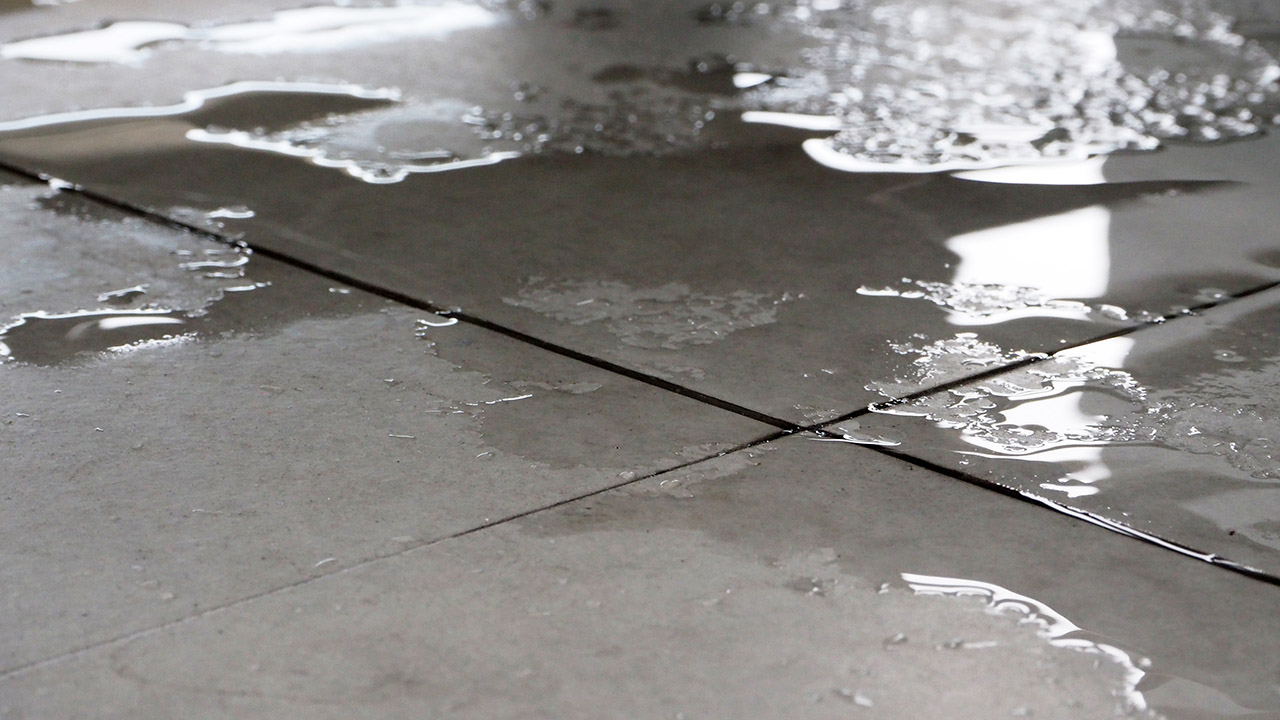
- Damp or Wet Floors: Moisture rising from the foundation.
- Warm Floor Spots: Hot water line leaks.
- Low Water Pressure: Caused by water escaping underground.
Advanced Signs of Slab Leaks
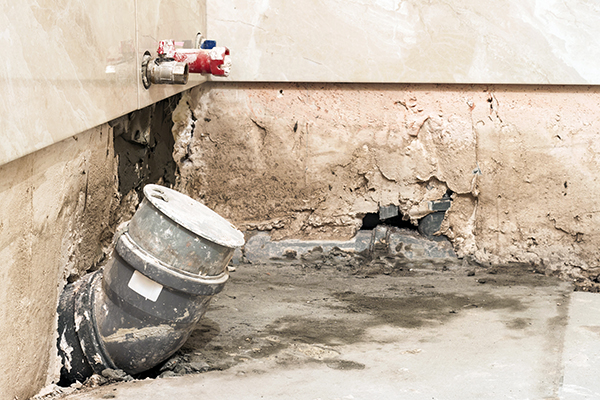
- Cracks in Walls and Floors: Structural damage from moisture.
- Mold and Mildew: Long-term dampness encourages growth.
- Sound of Running Water: When all taps are off.
DIY Methods to Detect
- Check the Water Meter: If it moves with all water off, there’s a leak.
- Dye Test: Food coloring in toilet tanks reveals seepage.
- Inspect Visible Plumbing: Look for wetness, rust, or corrosion.
When to Call a Professional
- Persistent Problems: DIY checks don’t solve the issue.
- Large Water Damage: Needs expert remediation.
- Specialised Tools Required: Professionals use advanced detection tech.
How Professionals Detect a Slab Leak
- Acoustic Listening Devices: Detect underground leak sounds.
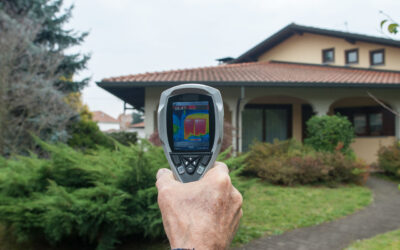
- Thermal Imaging Cameras: Identify temperature changes caused by moisture.
- Moisture Sensors: Measure moisture inside materials.
Repairing Slab Leaks
- Pipe Rerouting: Redirecting water lines around damage.
- Epoxy Pipe Coating: Seals leaks internally.
- Repiping: Full pipe replacement if needed.
Preventative Measures
- Regular Maintenance Checks: Schedule routine inspections.
- Upgrade Old Plumbing: Replace worn or corroded pipes.
- Install Leak Detection Systems: Get alerts before major damage occurs.
The Role of Insurance
- Understanding Your Policy: Know what’s covered.
- Filing Claims: Document damage and repairs.
- Common Exclusions: Some policies exclude slab leaks entirely.
Environmental Impact of Slab Leaks
- Water Wastage: Hidden leaks waste thousands of liters.
- Soil Erosion: Leaks can affect your home’s foundation.
- Eco-Friendly Repairs: Choose sustainable repair options.
Long-Term Benefits of Early Detection
- Protects Property Value
- Reduces Future Repair Costs
- Maintains a Safe, Healthy Home
Conclusion
Slab leaks can cause severe damage if ignored. Early detection, proper repairs, and routine maintenance are essential to protect your home and avoid expensive repairs.
FAQs
How often should I check for slab leaks?
It’s recommended to check for leaks at least once a year as part of regular home maintenance.
Can slab leaks occur in new homes?
Yes, new homes can develop slab leaks due to poor construction, plumbing defects, or ground shifting.
What is the most effective way to detect a slab leak?
Professional detection using acoustic tools, moisture meters, and thermal imaging.
How much does it cost to repair a slab leak?
Depending on severity, repairs can range from a few hundred to several thousand dollars.
What should I do if I suspect a slab leak?
Contact a professional leak detection service immediately for accurate diagnosis and repair.