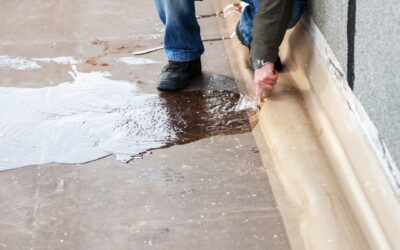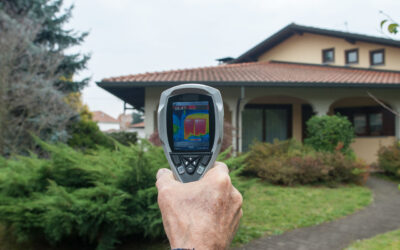


The convergence of home automation and water leak detection technologies marks a significant milestone in the evolution of smart home management. This integration not only streamlines household operations but also fortifies the home’s defense against one of the most common and destructive household problems: water damage. By embracing this advanced approach, homeowners can significantly enhance their property’s safety, reduce the risk of water damage, and enjoy the peace of mind that comes with a well-protected home. This guide delves into the intricacies of integrating water leak detection into your home automation system, outlining the benefits, necessary steps, and best practices to ensure your home remains secure and efficient.
Understanding Water Leak Detection Technology
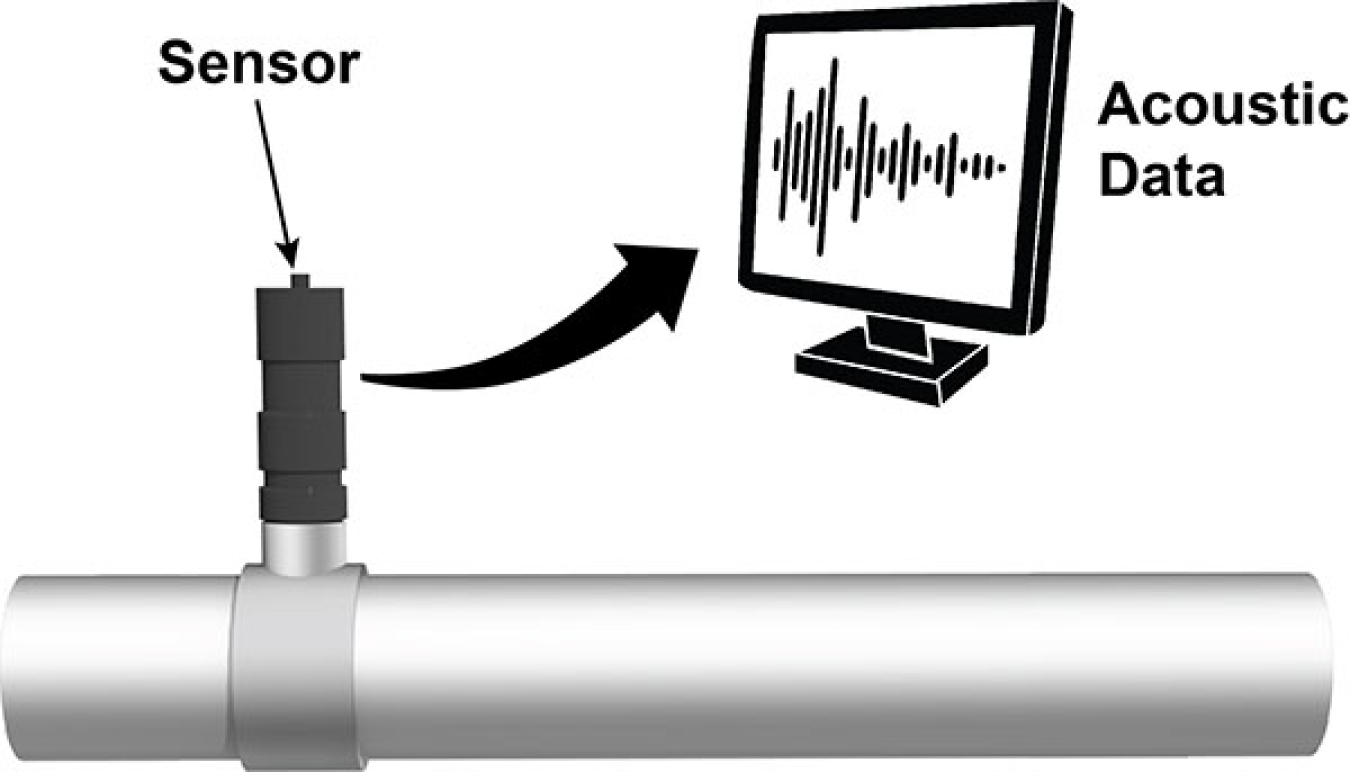
The Basics of Water Leak Detection: Water leak detection technology identifies the presence of water where it shouldn’t be, signalling potential leaks that could cause expensive damage if left unchecked. These systems use moisture-sensing devices that trigger alerts or automated actions to mitigate the issue.
Types of Water Leak Detectors: Modern systems range from basic stand-alone alarms to advanced detectors that integrate fully with home automation networks, sending alerts to your mobile phone or activating automated shut-off valves. Your choice depends on the level of automation and monitoring you want.

Benefits of Smart Water Leak Detection
Immediate Alerts: Instant notifications on your smartphone allow you to respond quickly before small problems escalate.
Automated Water Shut-off: Advanced systems can automatically close the main water supply when a major leak is detected, drastically reducing potential damage.
Enhanced Convenience and Peace of Mind: Integration with a smart home system allows remote monitoring, continuous protection, and effortless management.
Integrating Water Leak Detection with Your Home Automation System
Selecting Compatible Devices: Ensure the water leak detection system works with your existing smart home protocol (Z-Wave, Zigbee, Wi-Fi, HomeKit, etc.). Compatibility determines reliability.
Installation and Setup: Proper placement is key. Install sensors under sinks, near water heaters, washing machines, dishwashers, AC drain points, and other leak-prone areas. Connect them to your smart home hub and configure automated responses.
Configuring Alerts and Automations: Set rules such as instant push notifications, SMS alerts, and auto shut-off valve activation during a major leak.
Best Practices for Water Leak Detection Integration
Regular Testing and Maintenance: Check sensors periodically, replace batteries, and test shut-off functions to ensure everything works when needed.
System Updates and Security: Keep your devices updated for improved performance, security patches, and new features.
Expanding Your Smart Home Ecosystem: Combine leak detection with smart thermostats, cameras, humidity monitors, and energy-tracking devices to create a fully connected, efficient home.
Conclusion
Integrating water leak detection with home automation is a smart, forward-thinking investment. It enhances your home’s efficiency, prevents costly water damage, and provides invaluable peace of mind. By choosing compatible devices, installing sensors properly, and maintaining the system regularly, homeowners can enjoy a safer, smarter, and far more resilient home.
FAQ
What is water leak detection technology?
It identifies unexpected water presence and alerts you before damage occurs.
What types of water leak detectors are available?
Options range from simple alarms to full smart-home-enabled leak detectors with automation features.
What are the benefits of smart water leak detection?
Immediate alerts, automatic shut-off, and complete remote monitoring through home automation.
How do I integrate water leak detection with my home automation system?
Choose compatible devices, install sensors in leak-prone areas, and configure automation rules.
What are the best practices for maintaining my water leak detection system?
Perform regular tests, keep devices updated, and expand your smart home for comprehensive protection.
Want to learn more about how integrating water leak detection into your smart home system can help save you money in the long run? Speak to one of our team now by clicking the button below.