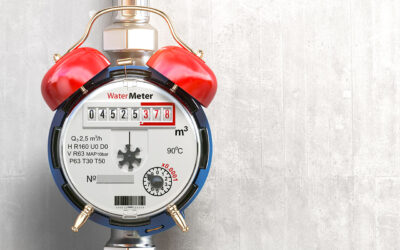


Persistent Booster Pump Noises: A Silent Leak Alarm
The early hours of the night often bring peace and tranquillity. However, for some, it’s a time punctuated by the irritating sound of their booster pump operating incessantly. This is a widespread issue many homeowners face, one that signals a potential leak requiring immediate attention. Let’s delve into understanding this problem and finding effective solutions, thus saving both water and money.
The Silent Consequence of Noisy Booster Pumps
Numerous clients have reported scenarios where they are kept awake by their booster pumps switching on and off, or not stopping at all. Alarmingly, this is an early sign of a possible water leak situation. Such leaks, when overlooked, could lead to extensive water waste and an unexpected rise in utility costs. So, let’s address this problem head-on.

The Booster Pump: A Misunderstood Hero
In many cases, maintenance companies tend to rush into replacing booster pumps, attributing the issue to faulty machinery. However, replacing a pump can be quite costly, and it is not always necessary. Contrary to common belief, when your booster pump operates in the middle of the night or continuously throughout the day, it’s likely performing its designated function: replacing water that is in use due to a leak somewhere in your plumbing system.
Therefore, before deciding on a booster pump replacement, it’s crucial to ensure that there are no leak situations in your plumbing system. Many unscrupulous companies might convince customers that the pump is faulty and requires replacement. However, this is often not the case. Instead, the booster pump might be operating perfectly, indicating a secondary issue that must be investigated further.
Understanding the Lifespan of Booster Pumps
A common misconception amongst homeowners is the expected lifespan of a booster pump. While many believe that these pumps need replacement every 2 to 3 years, a high-quality booster pump can actually last up to 10 years. Unfortunately, in Dubai, due to premature replacement by contractors, the longevity of booster pumps is often cut short.
Saving Money and Water: The Double Advantage
By identifying the root cause behind your booster pump’s operation, you can prevent unnecessary replacements, saving you a significant amount of money. If a faulty pressure kit is the problem, replacing it is often much more cost-effective than replacing the entire booster pump. It is a rarity for the booster pump itself to need replacement, and this should be considered as a last resort.
How to Identify and Solve the Problem
It’s recommended to seek help from a professional plumber or a qualified inspector to investigate the situation. They can conduct a thorough check of your plumbing system, identifying any leaks or faults. In turn, this can prevent wastage of water and save you the cost of replacing a perfectly functioning booster pump.
Conclusion
In conclusion, a noisy booster pump isn’t always the villain; it might just be the unsung hero trying to alert you about a potential leak. By properly investigating the root cause and addressing it, you can save a significant amount of water and money. Remember, it’s not always about replacing the booster pump. Understanding and identifying the problem is the first step towards an efficient and cost-effective solution.
FAQs
1. Why is my booster pump running continuously?
A continuously running booster pump could be a sign of a leak somewhere in your plumbing system. The pump is working to replace the water that is continuously leaking out.
2. Does a noisy booster pump need to be replaced?
Not necessarily. Often, the noise of the booster pump is a symptom of a different problem, such as a leak. Before considering a pump replacement, make sure to thoroughly inspect your plumbing system to rule out any leaks.
3. How often should a booster pump be replaced?
A good-quality booster pump should last up to 10 years. However, this lifespan could be shortened due to factors like poor maintenance or premature replacement. It’s always a good idea to get a professional inspection to diagnose the problem before considering a pump replacement.
4. How can I save money on booster pump replacement?
Identify the root cause behind your booster pump’s incessant operation. This could save you a significant amount of money, as it often turns out that it’s not the pump that’s faulty, but a secondary issue such as a leak or a faulty pressure kit.
5. What’s the first step if I suspect my booster pump is faulty?
If you suspect your booster pump is not functioning correctly, it’s best to call in a professional or a qualified inspector. They can conduct a thorough check of your plumbing system, identify leaks or faults, and guide you on the next steps to solve the issue.
6. What is the role of a booster pump?
A booster pump increases the pressure and flow of water in your plumbing system. It kicks in to replace water that is in use, maintaining a consistent supply and pressure.
Remember, dealing with a noisy booster pump doesn’t always have to result in costly replacements. Understanding the root cause and addressing it can save you a significant amount of water, money, and sleepless nights.