

Preventing Water Waste in Schools: A Maintenance Manager’s Guide
Maintenance managers sit at the centre of this work. This guide gives you a clear, practical plan to reduce waste, catch problems early, and keep systems healthy across the site. To zoom out
and see how bigger estates cut water use, read Water Management Strategies for Large-Scale Commercial Properties.
The true cost of water waste in schools
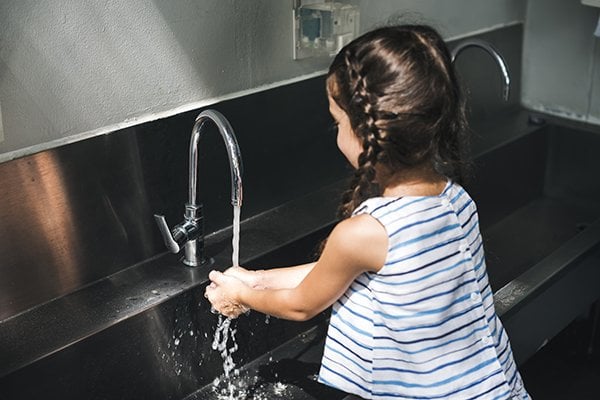
Small leaks create big bills. A tap dripping once per second can waste more than 3,000 litres a year. Multiply that across dozens of fixtures and the numbers get serious. The cost is not only financial. Wasted water strains local supply and undermines sustainability plans. Schools that act on school water leak prevention free up funds for learning resources, activities, and staff development.
Hidden leaks damage fabric and structure. Underfloor moisture encourages mould, weakens flooring, and can lead to closures for repair. If you suspect problems under the concrete, see How Does Slab Leak Detection Work.
The maintenance manager’s role in leak prevention
- Routine inspections. Weekly checks for bathrooms and changing rooms, monthly checks for kitchens, quarterly checks for plant rooms.
- Usage monitoring. Track meter readings and investigate spikes the same day.
- Rapid response. Fix drips and running toilets immediately.
- Lifecycle planning. Replace tired fittings and plan pipework upgrades.
Use the strategy patterns in Water Management Strategies adapted to your school.
Spotting early signs of leaks
- Damp patches on walls or ceilings
- Lingering musty odours
- Pooled water near equipment
- Unexpected meter or bill spikes
Meter literacy is essential for school water leak prevention. Learn patterns in How to Read Your Water Meter Like a Pro.
Kitchens and canteens: high-risk, high-reward fixes
Kitchens use water all day. Hoses perish, joints loosen, washers fail. Build a monthly checklist for hoses, traps, and shut-off valves. Train catering teams to shut pre-rinse sprayers between cycles.
Reinforce savings with A Commercial Kitchen Water Conservation Guide.
Classrooms, corridors, and fountains
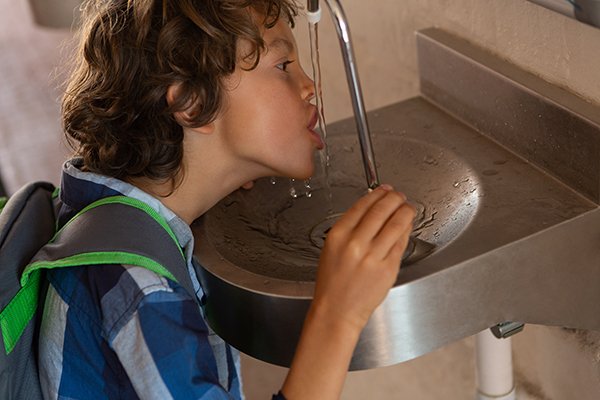
Art and science rooms often have sinks and traps. Corridors may host fountains or bottle fillers. These can leak behind walls or at compression joints. Add a termly access-panel check.
Seasonal shifts make leaks worse. Review How Summer Can Lead to Hidden Leaks.
Bathrooms and changing rooms: the top risk zone
- Running toilets — fix cistern internals fast
- Dripping taps — replace cartridges, add aerators
- Showers — inspect mixing valves for weeping
- Blocked drains — add traps and cleaning
A bathroom log helps track repeat offenders and repair patterns.
Foundations and slab leaks
Under-slab leaks are costly and disruptive. Signs include warm floor spots, cracks, and unexplained water sounds. Confirm with pressure testing or thermal imaging. See How Does Slab Leak Detection Work.
Technology that makes prevention easier
- Smart meters and sub-meters for zone tracking
- Moisture sensors under critical fixtures
- Thermal imaging for hidden moisture paths
Set a simple inspection cadence
- Weekly: bathrooms, fountains, visual plant checks
- Monthly: kitchens, valves, meter review
- Quarterly: roofs, overflow devices, sub-meter balancing
- Annually: valve exercises, pressure tests, fixture replacements
Train staff and engage pupils
Give teachers a one-page guide to spotting leaks. Encourage pupils to report drips and turn taps off. Posters and small audits lift awareness quickly.
Procurement: fixtures and fittings that save water
- Low-flow aerators
- Dual-flush toilets
- Timed taps or sensor taps
- Efficient pre-rinse sprayers
Holiday shutdowns and recommissioning
Before breaks, close non-critical supplies, record meter readings, and on restart, purge air and compare readings with logs.
When to bring in specialists
Call experts for persistent night flow, slab issues, or unexplained damp. Cross-sector tips apply — see The Hotel Leak Prevention Guide.
Simple reporting flows that actually work
- Spot
- Log with location, photo, urgency
- Act within 24 hours
- Fix or escalate
- Verify and close
Post QR codes in washrooms to improve reporting speed.
Why prevention beats repair every time
FAQs
How often should a school check for leaks?
Bathrooms weekly, kitchens monthly, plant rooms monthly, full site quarterly.
What are the most common school leaks?
Running toilets and dripping taps — keep spare parts stocked.
Should we invest in monitoring technology?
Yes — smart meters and sensors speed up detection.
Can pupils help with leak prevention?
Yes — reporting drips and turning taps off builds a culture of saving.
Where can I find more guidance?
Start with the LeakDtech blog and other linked guides.