
Excess moisture in your home can spell trouble, but identifying whether it’s a leak or simply humidity can be challenging. While both cause similar symptoms, such as dampness and mold, the underlying causes require very different solutions. Let’s break down the distinctions, signs, and solutions to keep your home dry and damage-free.
Understanding the Basics of Moisture Problems
What Causes Leaks?
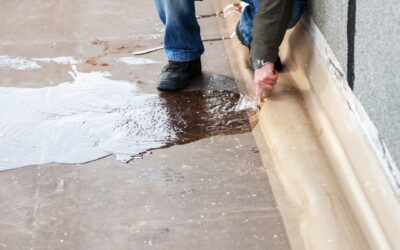
Leaks occur when water escapes from its intended channel—be it pipes, roofs, or appliances. Common causes include damaged plumbing, aging roofs, and cracked foundations. These issues create a direct source of water that continues to flow until addressed.
What Causes Humidity?
Humidity is moisture in the air. Excess humidity typically arises from poor ventilation, uninsulated pipes, or weather conditions. Cooking, showering, and drying clothes indoors also contribute to high humidity levels.

Why Differentiating Between Them Matters
Misdiagnosing a leak as humidity—or vice versa—leads to wasted money and ineffective fixes. A dehumidifier may hide the symptoms of a leak, but it won’t stop water damage. Knowing the difference prevents long-term issues.
Signs of a Leak
Visible Water Stains
Leaks often leave water stains on walls, ceilings, or floors. These stains grow over time, signalling an ongoing issue.
Persistent Dripping or Puddles
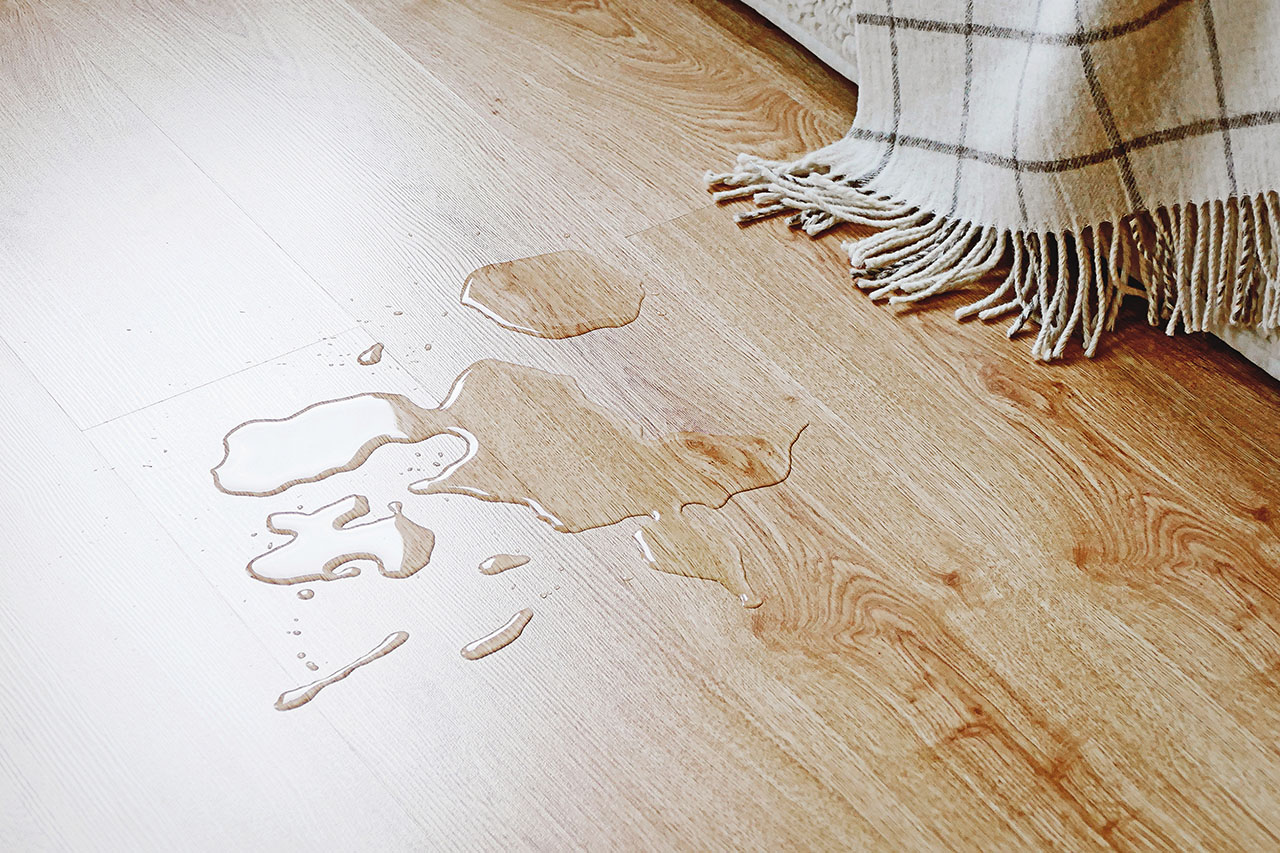
Water pooling under sinks or appliances is a direct sign of a leak. Humidity causes widespread moisture—not concentrated puddles.
Sudden Increase in Water Bills
An unexplained spike in your water bill often indicates a hidden plumbing leak.
Examples of Leak Locations
Leaks commonly occur in bathrooms, kitchens, basements, and near roofs—especially after storms.
Signs of Humidity
Condensation on Windows and Walls
Excess humidity often causes fogging on windows or damp walls.
Musty Odors
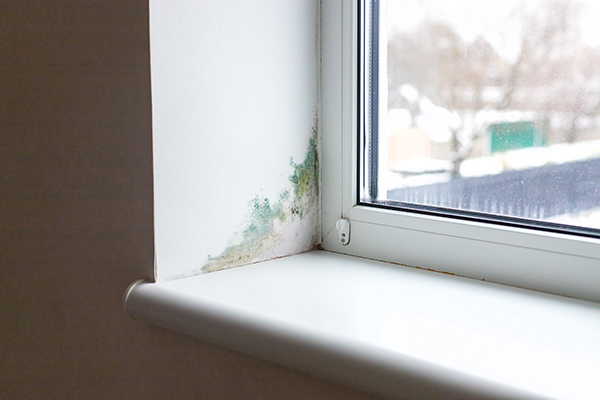
A musty smell usually means humidity and poor ventilation, often accompanied by mold.
Growth of Mold and Mildew
Humidity causes widespread mold growth on walls and ceilings, unlike localized leak-related mold.
Common Sources of Indoor Humidity
Bathrooms, kitchens, basements, laundry rooms, poorly sealed windows, and uninsulated walls.
Key Differences Between a Leak and Humidity
Location of Moisture
Leaks = localised damage
Humidity = widespread dampness
Pattern and Severity
Leaks create irregular stains and puddles.
Humidity creates uniform condensation.
Time of Occurrence
Leaks persist and worsen.
Humidity fluctuates with weather and activities.
Tools and Techniques for Moisture Detection
Moisture Meters
Used to measure moisture inside walls, floors, and ceilings.
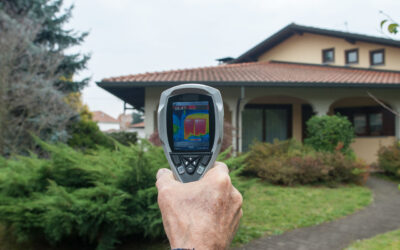
Thermal Imaging Cameras
Detect temperature differences to find hidden leaks.
DIY Techniques
Example: foil test — moisture under foil = leak; moisture on top = humidity.
How to Address a Leak
Fixing Plumbing Issues
Locate the leak under sinks, around toilets, or near appliances. Repair or replace damaged pipes and fittings.

Sealing Roof Leaks
Check for cracked shingles or damaged flashing. Use waterproof sealant or hire a roofer for major issues.
Preventing Foundation Cracks
Seal foundation cracks with epoxy or foam. Improve drainage and correct ground slope around your home.
How to Address Humidity
Using Dehumidifiers
Dehumidifiers remove excess moisture and prevent mold.
Improving Ventilation
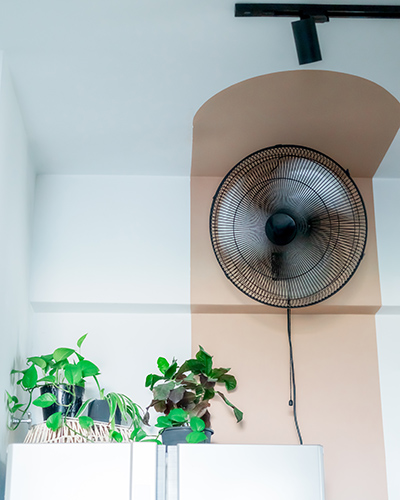
Use exhaust fans, open windows, and ensure proper airflow.
Controlling Indoor Temperature
Air conditioning reduces humidity and prevents condensation.
Preventative Measures to Avoid Moisture Issues
Regular Home Maintenance
Inspect plumbing, roofing, and HVAC systems regularly.
Installing Vapor Barriers
Ideal for basements and crawl spaces to block moisture.
Insulating Pipes and Walls
Reduces condensation and prevents future moisture problems.
When to Call a Professional
For Persistent Moisture Problems
Professionals can locate complex moisture issues accurately.
For Unresolved Mould Issues
Large or recurring mold problems require specialists.
For Structural Damage
Leaks and humidity can weaken your home’s structure and require professional repair.
Cost Comparison: Fixing a Leak vs. Managing Humidity
Average Costs of Leak Repairs
Plumbing repairs: $150–$500
Roof repairs: $500–$1,500+
Costs of Humidity Control Solutions
Dehumidifiers: $200–$500
Ventilation/insulation upgrades may add extra costs.
Long-Term Savings by Addressing the Issue Early
Fixing moisture problems early prevents expensive structural damage later.
FAQs
Can a humidity problem mimic a leak?
Yes. High humidity can cause dampness and mold similar to leaks.
Are leaks more harmful than humidity in the long term?
Leaks cause faster structural damage, while humidity causes slow widespread damage.
How can I prevent both leaks and humidity in my home?
Regular maintenance, good ventilation, dehumidifiers, vapor barriers, and insulation.
What are the best tools to differentiate leaks from humidity?
Moisture meters and thermal imaging cameras.
How do I know when to seek professional help?
If problems persist, mold spreads, or structural issues appear.