
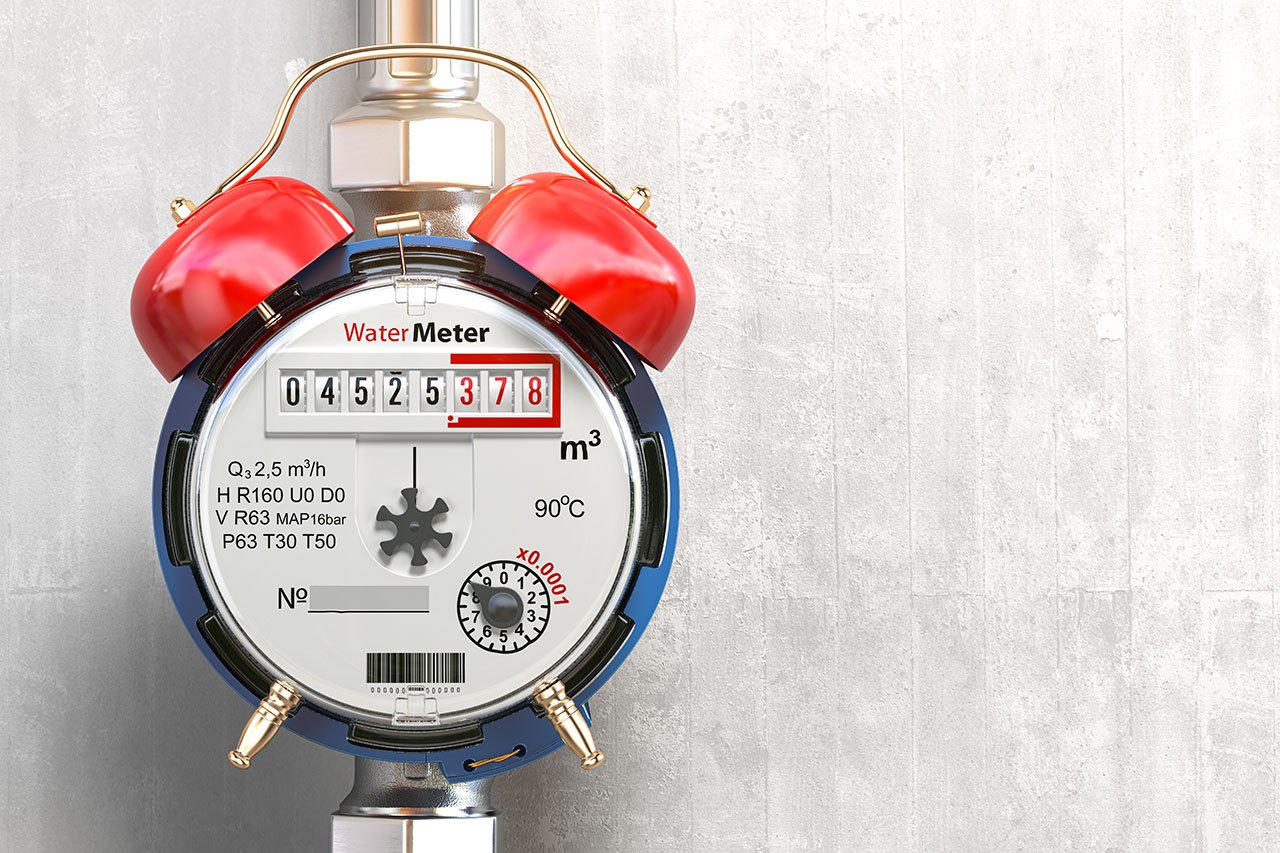

How to Read Your Water Meter Like a Pro
Knowing how to read your water meter is one of the easiest and most practical skills every homeowner or facility manager should have. It saves you money, helps detect leaks, and gives you full control over your water usage.
But if you’ve ever stared at a water meter and thought, “What am I even looking at?”, you’re not alone. In this guide, we’ll break it down step-by-step and help you read your water meter like a pro.
We’ll also explain how to track your readings, what signs to look for that could signal a leak, and why regular monitoring matters—whether you live in a flat, villa, or manage a commercial property.
Why Learn to Read Your Water Meter?
Learning how to read your water meter puts you in control of your property’s water usage. You’ll be able to:
- Detect hidden leaks early.
- Understand exactly how much water you use.
- Save money on utility bills.
- Spot inefficiencies in water use.
- Track effectiveness of water-saving habits or devices.
If you’re in Dubai or anywhere in the UAE, where water conservation is critical, regularly checking your meter could also help you follow best practices for water management in large-scale properties.
The Main Types of Water Meters
1. Analogue (Dial) Water Meters
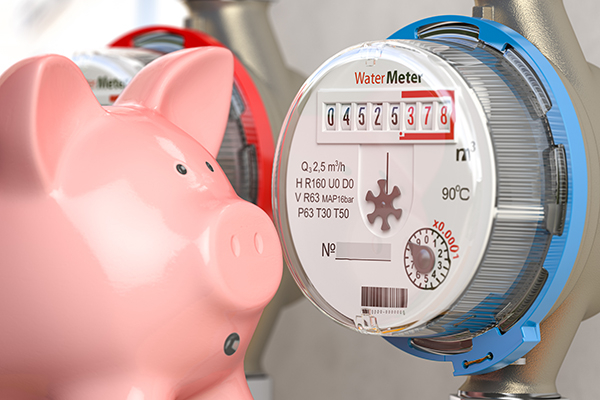
These are mechanical meters with one or more dials. They usually have:
- A row of numbers measuring cubic metres.
- Smaller red digits representing litres.
- Rotating sweep hands for precision.
2. Digital Water Meters
These use a digital LCD screen. They’re easier to read and often more precise.
3. Smart Meters
Smart meters:
- Send data automatically to your provider.
- Offer app-based usage monitoring.
- Alert you instantly to unusual usage.
Where to Find Your Water Meter
For Villas and Houses
Outside near the boundary wall or driveway, often in a ground box.
For Apartments
Inside a utility cupboard near the entrance or in shared service areas.
For Commercial Properties
Large buildings may have multiple meters. Learn more in our facility manager leak guide.
Step-by-Step: How to Read Your Water Meter
Step 1: Locate Your Meter
Clean the area, wipe dust if needed.
Step 2: Read the Numbers
- Analogue: Read black digits left to right.
- Digital: Look for total water used in m³.
Step 3: Record Your Reading
Log:
- Date and time
- Meter reading
- Recent water-heavy activities
Step 4: Compare Over Time
Compare daily, weekly, or monthly to spot leaks. Pair this with water-saving tips from our home conservation guide.
Understanding the Units and Dials
Cubic Metres (m³)
The main billing unit. 1 m³ = 1,000 litres.
Red Numbers or Decimal Digits
These show litres or fractions of a cubic metre. A rotating dial moving while everything is off means a leak.
Using Your Water Meter to Detect Leaks
The Leak Test
- Turn off all taps and appliances.
- Ensure toilets aren’t refilling.
- Note the reading.
- Wait 30–60 minutes without using water.
- Check again—any change means a leak.
Our detection team can help locate hidden leaks.
Signs of a Leak from Your Water Meter
- Leak indicator spins while water is off.
- Unusual spikes in usage.
- Damp patches or mould.
- Cracked tiles or swollen walls.
See our article on pool and hot tub leaks.
How Often Should You Read Your Water Meter?
- Daily if you suspect a leak.
- Weekly for routine monitoring.
- Monthly to match your bills.
Tools to Help You Track Readings
- Photos
- Google Sheets or Excel
- Water tracking apps
What to Do With the Data
- Set usage baselines.
- Identify spikes.
- Track litres per person per day.
When to Call a Specialist
- Confirmed leak after testing.
- Visible water damage.
- Usage rising without reason.
Tips for Commercial Property Managers
- Monitor usage across floors or tenants.
- Compare monthly trends.
- Use smart meters.
Avoid These Common Mistakes
- Reading red digits as cubic metres.
- Checking while water is in use.
- Irregular tracking.
Upgrading to Smart Monitoring
Benefits Include:
- Realtime usage data
- App alerts for unusual activity
- No manual checks needed
Why Water Awareness Pays Off
Reading your water meter helps you use less, save more, and prevent expensive property damage.
FAQs
How often should I read my water meter?
Weekly is ideal. Daily if leaks are suspected.
What’s the best time to check my meter?
Early morning or late evening when no water is used.
Can a smart water meter help detect leaks?
Yes — they alert you to abnormal flow instantly.
Do all homes have the same water meter type?
No — some use analogue, some digital, some smart.
My reading looks off. What should I do?
Run a leak test or contact us for support.