
Finding and Fixing Leaks
Introduction to Home Water Audits
A home water audit assesses water use within a household to identify areas of inefficiency and leaks. By systematically examining fixtures, appliances, and outdoor irrigation systems, homeowners can save water and money.

Preparing for Your Home Water Audit
Gather Necessary Tools
Equip yourself with tools such as a water meter key, dye tablets, a notebook, and a stopwatch for flow rate checks.
Understand Your Water Bill
Start by reviewing your DEWA water bill for unusual spikes in usage.
Step-by-Step Guide to Conducting a Home Water Audit
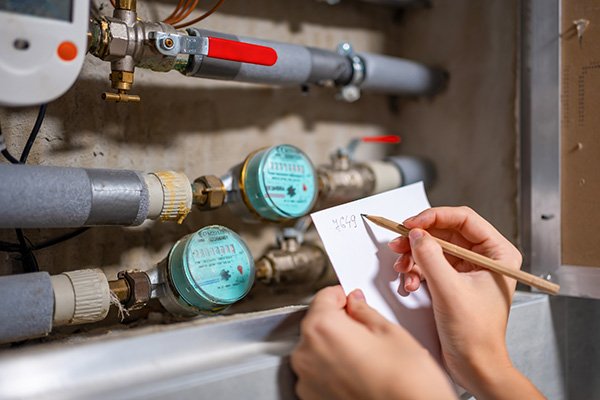
Check Your Water Meter
Record the reading, avoid using water for two hours, then check again. Any change = potential leak.
Inspect Indoor Fixtures for Leaks
- Toilets: Add dye to the tank; if colour enters the bowl, you have a leak.
- Faucets & Showerheads: Look and listen for dripping; check under sinks for moisture.
Evaluate Appliances for Water Efficiency
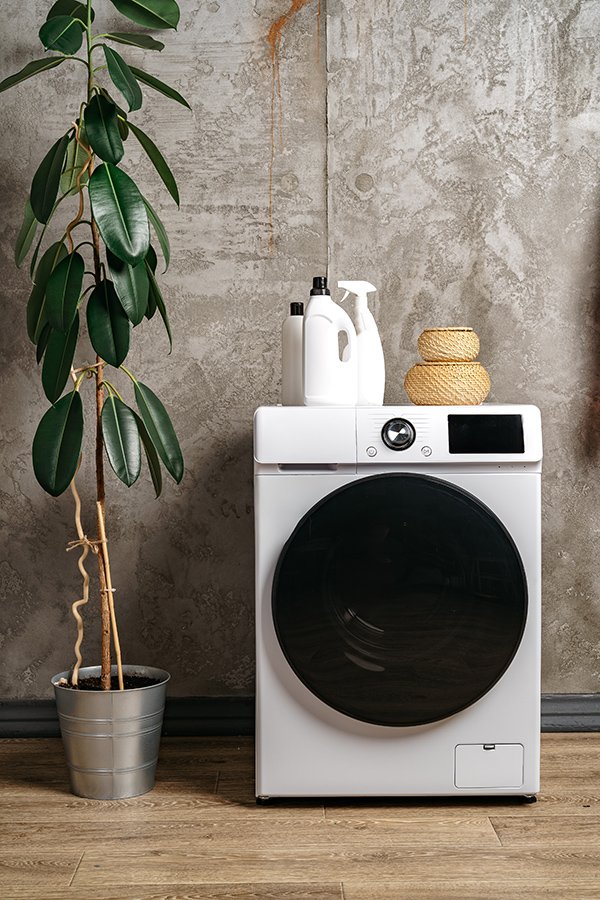
Older dishwashers, washing machines, and heaters may waste water—consider upgrading.
Outdoor Irrigation and Hoses
Check hoses, outdoor taps, and sprinkler systems for leaks and correct watering schedules.
Identifying and Addressing Invisible Leaks
Underground Leaks
Look for soggy ground, pooling water, or unusually green patches.
Hidden Indoor Leaks
Musty odours, damp spots, or mould indicate hidden leaks in walls or floors.
Fixing Common Household Leaks
DIY Repairs for Simple Leaks
Replace faucet washers, O-rings, toilet flappers, or adjust floats for quick fixes.
When to Call a Professional
If leaks involve supply lines or structural risk, call a licensed plumber.
Enhancing Home Water Efficiency
Install Water-Saving Fixtures
Low-flow fixtures and dual-flush toilets reduce consumption significantly.
Adopt Water-Smart Practices
Take shorter showers, run full loads, and fix leaks promptly.
Reviewing and Acting on Audit Findings
Compile and Analyse Results
Organise findings and prioritise the most urgent repairs.
Develop a Water Efficiency Plan
Schedule repairs, consider efficient appliances, and reduce waste.
Monitor Water Use Going Forward
Regularly review your DEWA bill to catch new leaks early.
The Benefits of a Home Water Audit
A home water audit reduces bills, protects the plumbing system, and conserves water.
Conclusion
Conducting a home water audit helps identify leaks, improve efficiency, and reduce water bills. Every drop counts—your efforts contribute to a sustainable home.
FAQs
How often should I conduct a home water audit?
Conduct one annually or when your water bill unexpectedly increases.
Can a home water audit really save me money?
Yes—fixing leaks and optimising usage significantly reduces costs.
What should I do if I suspect a leak but can’t find it?
Hire a professional; they use specialised tools to locate hidden leaks.
How can I ensure my outdoor irrigation system is efficient?
Inspect regularly, adjust sprinkler heads, and install a smart controller.
If you’ve done this and still suspect a leak, book an inspection using the button below.