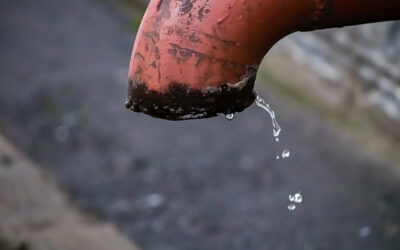


Our team recently received a call from a distraught client who expressed dissatisfaction with her maintenance company. Upon closer investigation, it became evident that the team had not checked her property correctly—especially the tanks and float valves. This inspired us to create a clear, practical guide for homeowners. This article highlights the importance of checking tanks and float valves and gives you the essential knowledge needed to ensure your maintenance company is doing its job properly.
Importance of Regular Tank Checks
Regular tank checks are a vital part of home maintenance. Water tanks store and supply water throughout your home, and neglecting them can lead to serious issues.
- Functionality: Ensures the tank operates at optimal capacity.
- Prevention: Helps detect leaks, blockages, and contamination early.
- Cost-Saving: Avoids major damage and expensive repairs.
Ensuring a Consistent and Reliable Water Supply
A well-maintained tank guarantees stable water pressure and consistent supply. Neglecting it can lead to pressure drops that affect daily activities such as showering, washing dishes, or watering your garden.
Float Valve Replacement: A Preventive Measure
Replacing float valves every two years is essential. From extensive experience, we’ve seen that most locally sourced valves deteriorate within 18 months due to poor material quality or contamination buildup.
Two Common Failure Modes of Float Valves
- The valve gets stuck, causing tank overflow and potential water damage.
- Mineral buildup or contamination leads to constant leaking.
The Cost of Negligence
Failing to check tanks and float valves can lead to severe water damage, high repair costs, and significant water waste. A leaking float valve alone can add thousands to your yearly bill if left unresolved.
Empowering Yourself with Information
Knowing the warning signs can prevent major issues. Look for inconsistent tank water levels or the sound of running water when no taps are open. Understanding these signs allows you to take action before a minor issue becomes an expensive problem.
Scheduling Maintenance
You should schedule professional inspections annually and plan float valve replacements every two years. A simple reminder on your calendar can save you from costly repairs later.
Finding Quality Replacement Float Valves
Not all float valves are created equal. When searching online for replacements, look for reputable brands, reliable materials, correct sizing, and customer reviews. Quality parts reduce failure rates and extend tank life.
FAQs
Q: How often should I check my water tank?
A: A professional inspection at least once a year is recommended.
Q: Why should the float valve be replaced every two years?
A: Many low-quality valves fail within 18 months. Replacing them prevents leaks and overflow issues.
Q: How do I identify a failing float valve?
A: Signs include inconsistent water levels or unexplained water movement/noises.
Q: Can I replace the float valve myself?
A: Yes, if you are confident and have the right tools. Otherwise, hiring a professional is recommended.
Conclusion
The key to a well-maintained home lies in regular checks and preventive care. Start by making tank and float valve inspections part of your maintenance routine. By staying proactive, you safeguard your home’s functionality and protect your family’s well-being.
If you think you may need an inspection to determine if you have a leak at home, click the button below to speak with an expert now.