
Can Thermal Imaging Really Spot Your Water Leak?
What Is Thermal Imaging?
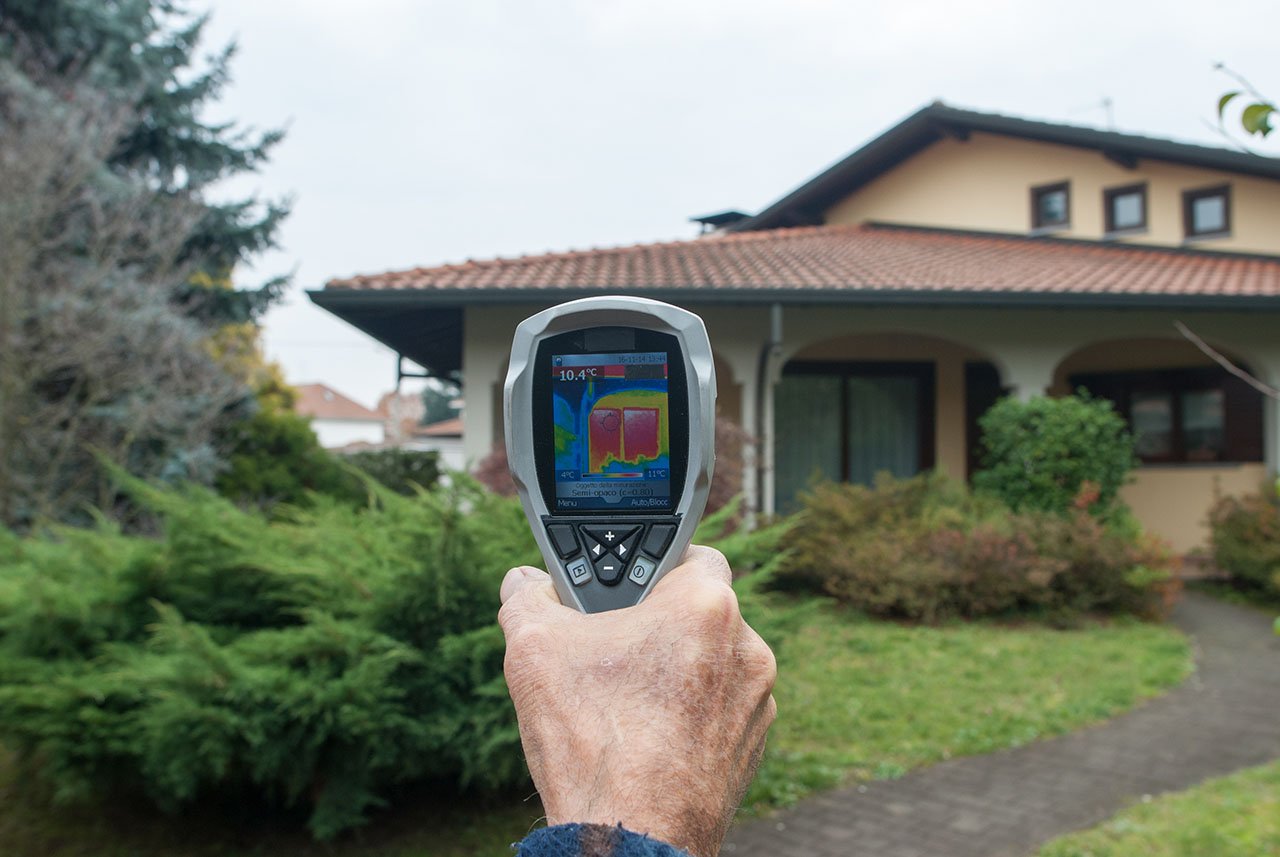
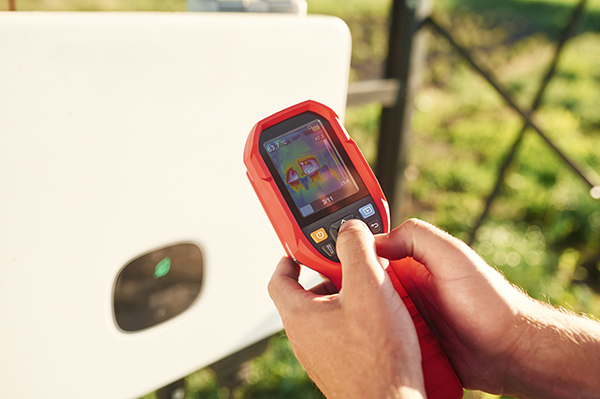
Thermal imaging, or infrared thermography, is a method that visualises heat emitted from objects. Every surface emits infrared radiation. When something has a different temperature from its surroundings, like a leaking pipe behind a wall, a thermal camera can show that difference clearly on screen.
But here’s the thing, it doesn’t see water. It detects temperature differences. So, if water is escaping and changing the temperature of nearby surfaces, the camera picks that up. That’s your leak clue.
In short: It’s like x-ray vision, without the x-ray. But it has its rules.
Why Is Leak Detection So Hard Without It?
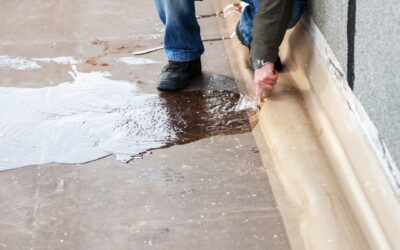
A leaking pipe under your floorboards could be dripping slowly for weeks. You might only notice when the floor warps or mould appears. Traditional inspection involves knocking on walls, lifting tiles, or digging around.
Thermal imaging flips that process. Instead of tearing into your property, it gives you a clear temperature map. You spot problems before they become visible damage and before your water bill doubles.
How Thermal Cameras Actually Work
- Temperature contrast: Leaking water often cools or warms a surface. A pipe with warm water leaking into cold concrete? That contrast shows up.
- No physical damage: Nothing gets drilled, lifted, or removed just to “check.”
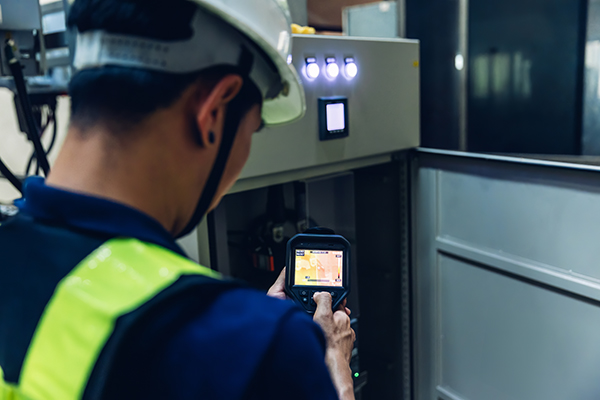
- Instant feedback: A trained technician sees the image live and can identify the source in minutes.
This method is used in both residential and commercial leak detection.
When Thermal Imaging Excels
1. Hot Water Pipe Leaks
The difference between warm water and cool surroundings shows up as a glowing shape. Ideal for bathrooms, kitchens, or heating systems.
2. Underfloor Heating Faults
Thermal cameras reveal uneven heating patterns, helping locate breaks without removing the floor.
3. Roof Leaks
If a roof is letting in rainwater, the area becomes colder. Thermal cameras pick this up, showing where insulation is compromised.
4. Leaks Behind Walls
Thermal scans show cold zones caused by water accumulation, especially with indoor plumbing issues.
5. Commercial HVAC Systems
Leaks around cooling or heating systems can be traced fast, saving thousands on unnecessary repair work.
 What It Can’t Do (Alone)
- Cold Water Leaks: Harder to detect unless they alter surface temperatures.
- Environmental Interference: Sunlight, wind, or air conditioning can affect results.
- Shallow Surface Depth: It detects only surface-level temperature changes.
Why Expert Operators Matter
A trained operator can:
- Adjust for external factors
- Recognise false positives
- Verify results using other tools
Leak Detection: A Multi-Tool Job
| Tool | Purpose | Best Use Case |
| Thermal Imaging | Detect temperature changes | Hot water leaks, roofs, insulation gaps |
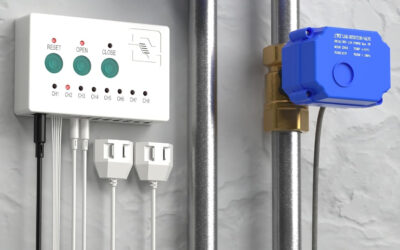
| Acoustic Sensors | Listen for sound of leaks | Underground or in walls |
| Moisture Meters | Measure surface moisture | Confirm dampness in drywall, flooring |
| Pressure Testing | Check for pressure drops | System-wide inspections |
| Tracer Dyes | Visualise water flow | Toilets, pool plumbing, drains |
Real Leak Cases Using Thermal Imaging
Residential Bathroom Leak
A thermal camera revealed a warm patch behind a wall where a hot pipe was cracked. The leak was found and repaired without needing to demolish the wall.
Office Building Roof Leak
Moisture in roof insulation was spotted using thermal images. Further inspection showed a faulty HVAC fitting dripping inside the structure.
Heated Pool Room
The floor outside a heated pool felt oddly warm. The scan showed heat escaping from an underground crack. Fast fix, minimal digging.
What Happens During an Inspection
- Walkthrough: Discuss visible signs or high water bills.
- Thermal Scan: Technicians inspect walls, floors, and ceilings.
- Verification: Suspicious areas checked with moisture meters.
- Report: Photos and findings are compiled in a detailed document.
LeakDTech delivers accurate, non-invasive leak detection. Visit our site for bookings.
Why Businesses Love Thermal Leak Detection
- Prevents property shutdowns
- Supports water-saving goals
- Strengthens insurance claims
- Works well as part of routine maintenance
Read our full post on water management strategies.
How Thermal Imaging Saves Water and Money
Even tiny leaks waste hundreds of litres per day. Early detection means lower bills and fewer repairs. Learn more in our article: save 100 litres daily.
Common Misconceptions Debunked
- “It sees through walls.” It doesn’t. It reads surface temperature.
- “Only good for hot water.” Mostly, but also helps with insulation, cooling issues, and roof leaks.
- “Anyone can use it.” Only trained experts can interpret results correctly.
When Should You Book a Scan?
- Water bills are unexpectedly high
- Musty smells or unexplained moisture
- Visible mould without a clear source
- Pre-renovation inspections
- Pre-purchase home surveys
Why LeakDTech Uses Thermal Imaging (and More)
We combine technology with expert analysis. See how we handle unique cases like hot tub and pool leaks.
Final Verdict: Is Thermal Imaging Worth It?
Yes. When used correctly, thermal imaging finds problems before they escalate. It’s a non-invasive, fast, and highly effective part of a leak detection strategy.
FAQs
Can thermal cameras detect cold water leaks?
Sometimes, depending on the temperature difference created by the leak.
How long does an inspection take?
Most homes take 30–90 minutes. Larger sites may require more time.
Is it safe indoors?
Yes. Thermal imaging is completely non-invasive and safe.
Do I get a report?
Yes. We provide a detailed report with photos and analysis.
Can I use a phone thermal camera myself?
You can try, but results vary. Professional equipment and experience make a big difference.